


Learn About Solar Energy: Your Guide to a Brighter, More Independent Future
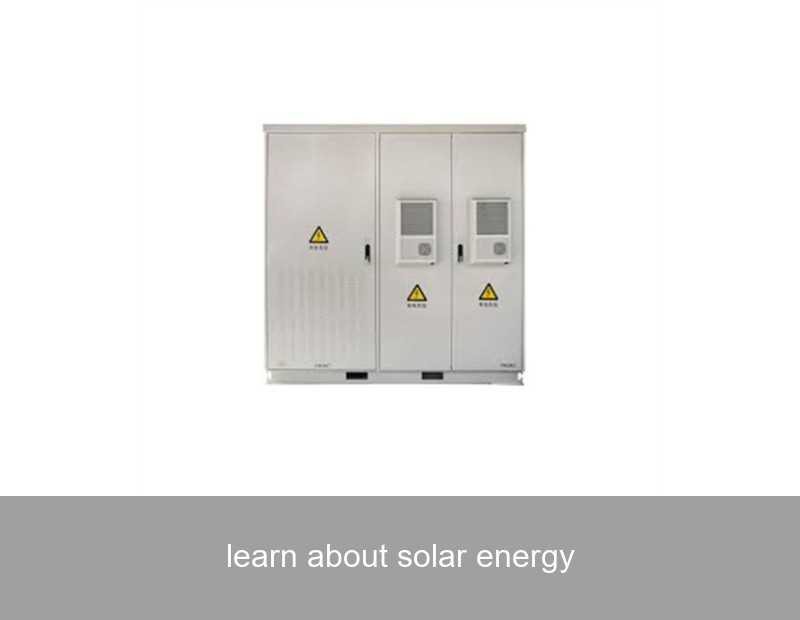
Have you ever looked at your electricity bill and wondered, "There must be a better way?" You're not alone. Across homes in Europe and the United States, a quiet revolution is happening on rooftops and in backyards. More people than ever want to learn about solar energy—not just as a concept, but as a practical solution for energy independence, cost savings, and environmental stewardship. But understanding solar power goes beyond just installing panels. It's about grasping how to capture, store, and intelligently manage the sun's abundant energy. This is where modern solar energy systems truly shine, transforming sunlight into reliable, 24/7 power for your home or business.
Table of Contents
The Phenomenon: From Sunlight to Socket
Let's start with the basics. When we learn about solar energy, we often picture the photovoltaic (PV) panels. These are the workhorses that convert sunlight directly into direct current (DC) electricity. But here's a common point of confusion: solar panels only produce power when the sun is shining. So, what happens on cloudy days or at night? This is the fundamental challenge of solar power—it's intermittent. The real magic of a modern solar setup isn't just generation; it's in integration and storage. An effective system includes inverters to convert DC to usable AC power, and increasingly, a critical component: the battery energy storage system (BESS). This trio—panels, inverter, storage—creates a resilient energy ecosystem for your property.

Image Source: Unsplash - A typical residential solar panel installation.
The Data: Solar's Soaring Potential
The numbers tell a compelling story. According to the International Energy Agency (IEA), renewables are set to contribute 80% of new power capacity to 2030 under current policies, with solar PV alone accounting for more than half of that expansion. In the U.S., the Solar Energy Industries Association (SEIA) reports that solar has experienced an average annual growth rate of 24% over the last decade. But let's get practical. For a homeowner, this translates to real metrics:
| System Aspect | Typical Impact | Key Consideration |
|---|---|---|
| Rooftop Solar Array | Can offset 70-100% of daytime energy use | Depends on roof size, orientation, and local irradiance |
| Battery Storage | Can power essential loads for 6+ hours during an outage | Capacity (kWh) and power rating (kW) must match your needs |
| System Lifespan | Panels: 25-30 years; Quality Batteries: 10-15 years | Degradation rates and warranty terms are crucial |
The data underscores a shift: solar is no longer a niche technology. It's a mainstream, economically savvy choice for millions. However, maximizing these benefits requires a sophisticated approach to energy management—something companies like Highjoule have pioneered since 2005. Highjoule's intelligent energy management systems are designed to seamlessly integrate solar generation with battery storage, optimizing self-consumption and providing peace of mind during grid outages.
The Case Study: Powering a Business Through the Night
Let's look at a real-world example from our portfolio. A medium-sized dairy processing plant in Bavaria, Germany, faced two challenges: high, volatile energy costs and a critical need for uninterrupted refrigeration. Their existing 200 kW rooftop solar array was exporting excess power to the grid at low rates in the afternoon, while they were buying expensive power in the morning and evening.
The Solution: Highjoule engineers designed and deployed a tailored 240 kWh battery storage system integrated with their existing solar PV. The system's smart controller was programmed to:
- Store excess solar generation from midday.
- Discharge the battery during peak evening price hours to run refrigeration compressors.
- Maintain a critical backup reserve for grid failures.
The Results (12-month period):
- Grid Energy Cost Reduction: 68% decrease during peak hours.
- Self-Consumption of Solar: Increased from 35% to over 85%.
- ROI Period: Projected to be under 5 years, factoring in German incentive programs.
- Carbon Footprint: Reduced by an additional 42 tonnes of CO2 annually.
This case illustrates the core principle: when you truly learn about solar energy, you understand its potential is unlocked by storage and smart control. The panels generate the fuel, but the storage system defines its use.

Image Source: Unsplash - A commercial-scale battery energy storage system.
The Insight: It's About the System, Not Just the Panels
So, what's the key takeaway for someone looking to learn about solar energy? The most important lesson is to think in terms of a complete energy system. The panel brand is one piece of the puzzle. The true performance, reliability, and financial return depend on the harmony between all components:
The Core Components of a Modern Solar+Storage System:
- Solar PV Modules: Capture raw energy.
- Inverter(s): Convert energy from DC to AC. Hybrid inverters can also manage battery charging.
- Battery Storage: The heart of energy independence. Highjoule's systems, for instance, use advanced lithium-ion chemistry with sophisticated battery management systems (BMS) for safety, longevity, and performance.
- Energy Management System (EMS): The brain. This software platform makes intelligent decisions—when to store, when to use, when to export—based on weather forecasts, usage patterns, and tariff rates.
This integrated approach is what Highjoule provides for commercial, industrial, residential, and microgrid applications. Our solutions are not just products; they are customized power ecosystems. For a homeowner, this might mean a sleek, wall-mounted battery that learns your habits. For a factory, it's a containerized megawatt-scale storage solution that participates in grid services. The goal is the same: turn solar energy from a variable source into a dependable, controllable asset.
Where to Learn More: Trusted Resources
As you continue your journey to learn about solar energy, it's vital to consult authoritative, unbiased sources. Here are a few excellent starting points:
- The U.S. Department of Energy's Homeowner's Guide to Going Solar provides a fantastic, step-by-step overview.
- For European readers, the European Commission's PVGIS tool lets you calculate solar potential on your specific roof.
- For deep technical standards and safety, the National Renewable Energy Laboratory (NREL) is a world-leading research institution.
Your Next Step: What's Your Energy Profile?
Now that you've begun to learn about solar energy in a more holistic way, the most engaging question arises: What does your unique energy landscape look like? Consider your daily load pattern—when do your major appliances run? What is your utility's rate structure—do you have time-of-use pricing? How critical is backup power for your home or operations? Answering these questions is the first step toward designing a system that doesn't just generate power, but generates value, resilience, and sustainability for years to come. What's the one energy challenge you'd most like to solve with the power of the sun?
 Inquiry
 Online Chat