


Unlocking Energy Freedom: The Power and Potential of the Li-ion Energy Storage Cabinet
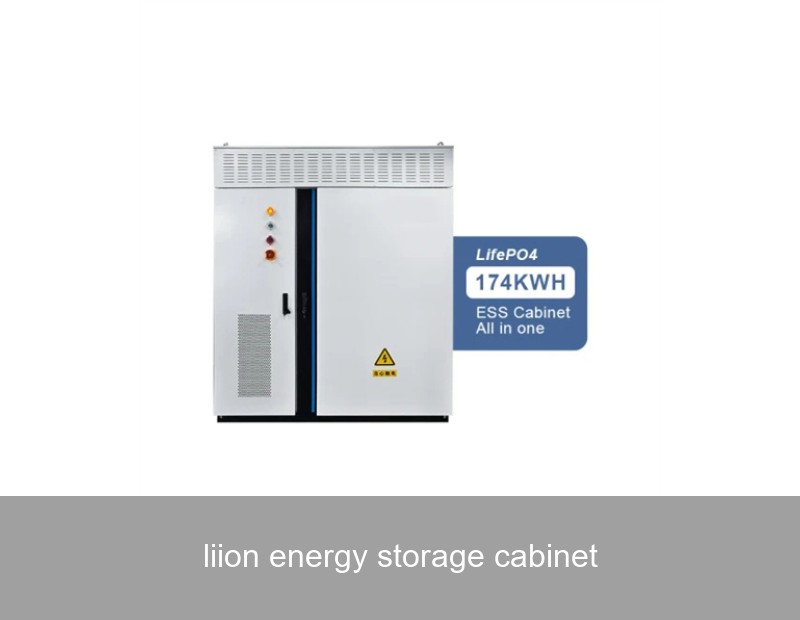
Imagine a world where your business isn't at the mercy of peak electricity rates, where your factory floor keeps humming smoothly through a grid outage, and where the solar panels on your roof can power your operations long after the sun sets. This isn't a distant dream; it's the reality being enabled today by a powerful, behind-the-scenes technology: the Li-ion energy storage cabinet. These sophisticated units are rapidly becoming the cornerstone of modern energy management for forward-thinking businesses and communities across Europe and the US. But what exactly are they, and how can they transform your relationship with energy?
What is a Li-ion Energy Storage Cabinet?
At its core, a Li-ion energy storage cabinet is a fully integrated, containerized system that stores electrical energy using lithium-ion battery technology. Think of it as a giant, smart, and incredibly efficient power bank for your commercial or industrial facility. Unlike a simple battery pack, these cabinets are complete solutions. They house not just the battery cells, but also the critical safety systems, thermal management, power conversion components, and intelligent control software—all in one secure, often modular, enclosure.
The rise of this technology is a direct response to a global energy phenomenon: the shift from centralized, fossil-fuel-based power to decentralized, renewable sources. As noted by the International Energy Agency (IEA), the global capacity of battery storage is set to multiply exponentially this decade, with grid-scale systems leading the charge. The Li-ion energy storage cabinet is the workhorse making this possible, offering the flexibility and reliability needed to balance our modern grids.

Image Source: Unsplash (Representative image of industrial energy equipment)
Why Modular Design is a Game-Changer
One of the most significant advancements in Li-ion energy storage cabinet design is the move towards modular architecture. Why does this matter so much?
- Scalability: Start with what you need today. As your energy demands grow—perhaps you're adding more solar capacity or expanding your facility—you can simply add more cabinet modules. This "pay-as-you-grow" approach protects your initial investment.
- Maintenance & Uptime: If a module needs service, it can be isolated and addressed without taking the entire system offline. This ensures continuous operation, a critical factor for data centers, manufacturing plants, and hospitals.
- Flexibility in Deployment: Modular cabinets can be configured to fit into existing spaces more easily, whether it's a warehouse corner, a parking garage, or outdoors with appropriate shelter.
At Highjoule, we've built this principle into our core. Our H-Cube Modular Energy Storage System is designed precisely with this flexibility in mind. Each self-contained H-Cube cabinet is a plug-and-play unit, featuring integrated battery management, cooling, and safety systems. This allows our clients, from a small business in California to a large industrial park in the Netherlands, to build a perfectly sized energy storage solution that evolves with their ambitions.
Beyond the Battery: The Brains of the Operation
The true magic of a modern Li-ion energy storage cabinet lies not just in its storage capacity, but in its intelligence. A cabinet full of batteries without smart software is like a powerful computer without an operating system. The value is unlocked through sophisticated Energy Management System (EMS) software that makes autonomous, millisecond decisions.
This software enables key applications that deliver real financial and operational returns:
| Application | How It Works | Direct Benefit |
|---|---|---|
| Peak Shaving | The system discharges during short periods of highest electricity demand. | Reduces costly "demand charges" on utility bills, often yielding the fastest ROI. |
| Solar Self-Consumption | Stores excess solar energy generated during the day for use at night. | Dramatically increases the value of your solar investment, moving towards true energy independence. |
| Backup Power | Provides seamless, instantaneous power during a grid outage. | Prevents costly downtime and data loss, ensuring business continuity. |
| Grid Services | In some markets, systems can provide frequency regulation or voltage support to the grid. | Creates a new revenue stream by participating in utility or grid operator programs. |
Highjoule's Neuron EMS Platform is the brain behind our cabinets. It doesn't just monitor; it learns your facility's energy patterns, forecasts weather and pricing, and optimizes every charge-discharge cycle to maximize your savings and resilience. This level of smart control is what transforms a capital expense into a strategic, profit-protecting asset.
A Real-World Case: Powering a German Factory
Let's move from theory to practice. A concrete example from Bavaria, Germany, illustrates the transformative impact. A mid-sized automotive component manufacturer was facing two major challenges: volatile and rising electricity costs, and a corporate mandate to reduce its carbon footprint by 30% within five years. Their existing rooftop solar system was covering only about 15% of their daytime load, with the rest going to waste.
The solution was a turnkey installation featuring two of Highjoule's H-Cube Li-ion energy storage cabinets, with a total capacity of 500 kWh, integrated with their existing solar PV and managed by the Neuron EMS. The system was configured for peak shaving and solar optimization.
The results after the first year of operation were compelling:
- Demand Charge Reduction: Peak grid draw was reduced by 40%, slashing this portion of their utility bill.
- Solar Self-Consumption: Increased from 35% to over 80%, effectively doubling the value derived from their solar asset.
- ROI Timeline: The combined savings projected a full return on investment in under 6 years, well within the system's warranted lifespan.
- Resilience: The system now provides critical backup power to their quality control lab, preventing spoilage of materials during brief grid disturbances.
This case, documented in a Fraunhofer ISE study on battery storage applications, mirrors a trend we see across our European and North American markets. The Li-ion energy storage cabinet is no longer a niche technology; it's a proven tool for financial and operational efficiency.
Choosing the Right System for Your Needs
With the market expanding, how do you select the right Li-ion energy storage cabinet solution? It goes beyond just comparing price per kWh. Here are the critical factors to consider:
- Total Cost of Ownership (TCO): Look at warranty length, expected cycle life, and efficiency ratings. A slightly higher upfront cost for a more robust, efficient system often leads to lower TCO.
- Safety Certifications: Ensure the system has all relevant local and international safety certifications (UL, IEC, CE, etc.). Ask about the design of the thermal management and fire suppression systems within the cabinet.
- Software & Integration Capability: The EMS should be intuitive, offer remote monitoring, and seamlessly integrate with your existing inverters, solar arrays, or building management systems.
- Vendor Expertise: Choose a provider with a proven track record in your specific application—be it commercial, industrial, or microgrids. They should offer comprehensive support from design to commissioning and after-sales service.
This is where Highjoule's nearly two decades of experience comes to the fore. We don't just sell cabinets; we provide end-to-end intelligent, sustainable power solutions. Our process begins with a detailed energy analysis, followed by a custom system design, professional installation, and ongoing performance optimization. We stand behind our systems with industry-leading warranties and 24/7 monitoring from our global support centers.
The Future of Energy Storage
The technology within the Li-ion energy storage cabinet continues to advance. We're seeing trends towards higher-density cells, which mean more storage in the same footprint, and the exploration of alternative lithium chemistries like Lithium Iron Phosphate (LFP) that offer enhanced safety and longer life cycles. Furthermore, the role of these systems is expanding from single-site applications to becoming key nodes in virtual power plants (VPPs), aggregating distributed storage to act as a unified grid resource.

Image Source: Unsplash (Representative image of commercial solar and storage)
The journey towards a resilient, decarbonized energy system is well underway. The Li-ion energy storage cabinet is the physical enabler, and the intelligence that governs it is the strategic key. The question is no longer if such storage will become standard for energy-intensive operations, but when.
What would a 30% reduction in your peak energy costs do for your bottom line this year? How much more value could you extract from your renewable energy investments?
 Inquiry
 Online Chat