


Powering Chilean Homes: The Complete Guide to Choosing Paneles Solares para Casas
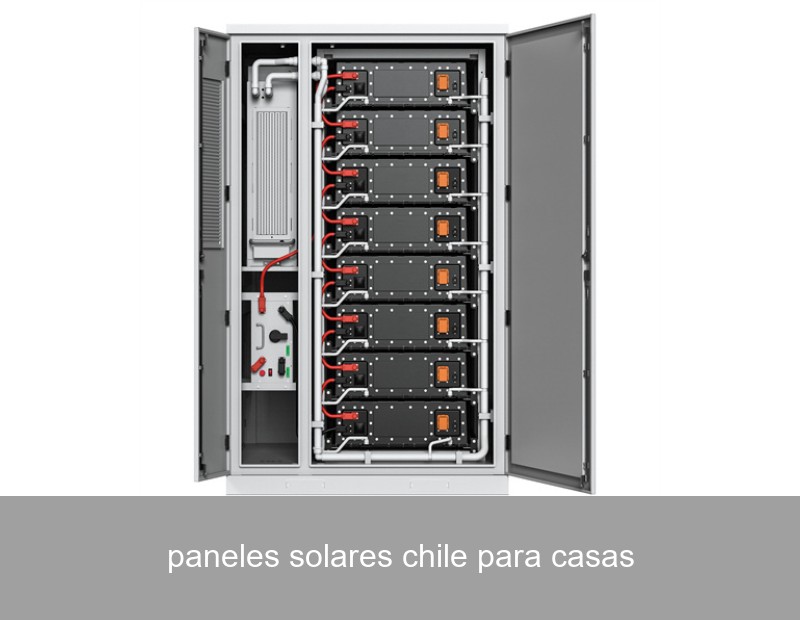
Imagine a home where your electricity bill is predictable, your power is clean, and you're insulated from grid fluctuations. This isn't a distant dream for Chilean homeowners; it's a reality made possible by paneles solares para casas. Chile's unique geography gifts it with some of the highest solar irradiance levels on the planet, turning every rooftop into a potential power plant. But the journey from sunlight to reliable home energy involves more than just panels. It's about creating a resilient, intelligent system. This guide will walk you through why solar is a smart investment in Chile, what to consider, and how modern technology ensures you get the most out of every sunbeam.
Table of Contents
Why Chile is a Solar Powerhouse
Let's start with the "why." Chile's Atacama Desert is world-famous for astronomy because its skies are clear almost year-round. This same characteristic makes it a prime location for solar energy generation. According to data from the Chilean National Electric Coordinator, solar photovoltaic generation grew by over 30% in 2023 alone, now consistently contributing a significant share of the country's energy matrix. For homeowners, this natural advantage translates directly into higher efficiency and faster return on investment. Your panels simply produce more kilowatt-hours here than they would in many other parts of the world.
But there's another powerful driver: energy independence. Many regions in Chile are remote, and the grid can be vulnerable to extreme weather events. By installing paneles solares para casas, you're not just saving money; you're building a personal energy safety net. This combination of abundant sun and a desire for resilience has fueled a residential solar boom across regions from sun-drenched Antofagasta to central Metropolitan Santiago.

Image: The high solar irradiance in many Chilean regions makes residential installations highly effective. Credit: Unsplash.
Beyond the Panels: The Heart of a Home Solar System
When people think of solar, they think of the panels on the roof. But the panels are just the beginning. The true intelligence of a modern home solar system lies in the balance of system components, especially the inverter and, critically, the energy storage system.
- Solar Panels (Modules): Capture sunlight and convert it to direct current (DC) electricity.
- Inverter: The "brain" that converts DC electricity from the panels into the alternating current (AC) your home appliances use.
- Energy Storage System (ESS): This is the game-changer. A battery bank stores excess energy produced during the day for use at night, during cloudy periods, or grid outages.
- Monitoring System: Allows you to track energy production, consumption, and storage levels in real-time, often from a smartphone app.
Without storage, any excess energy you produce during the day is fed back to the grid, often at a lower price than you pay to buy it back at night. This is where companies like Highjoule, with nearly two decades of expertise, make a pivotal difference. Highjoule specializes in integrated, smart Battery Energy Storage Systems (BESS) designed to seamlessly pair with residential solar installations. Their systems don't just store energy; they intelligently manage it based on your consumption patterns, weather forecasts, and tariff schedules, ensuring you maximize self-consumption and minimize reliance on the grid.
Choosing the Right System for Your Chilean Home
Selecting a solar system for your house isn't one-size-fits-all. It requires a careful evaluation of your household's energy profile. Here’s a simplified framework:
| Home Size & Profile | Estimated Daily Consumption | Recommended Solar System Size | Storage Consideration |
|---|---|---|---|
| Small apartment or couple | 8-12 kWh | 3-4 kWp | 5-10 kWh battery |
| Average family home (4 people) | 15-25 kWh | 5-7 kWp | 10-15 kWh battery |
| Large home with high consumption (pool, AC) | 30+ kWh | 8 kWp or larger | 15+ kWh battery |
A professional installer will conduct a detailed audit, but this table gives you a starting point. The key is to size your system not just to meet your daytime needs, but to have enough storage capacity to cover your evening and night load. Highjoule's HES (Home Energy System) series is modular, meaning you can start with a configuration that fits your current budget and add more battery capacity as your needs grow—a perfect approach for future-proofing.
A Real-World Case: The González Family in Antofagasta
Let's move from theory to practice. The González family lives in a 180m² house in Antofagasta. Before their solar installation, their monthly electricity bill averaged 120,000 CLP. In 2022, they installed a 6.5 kWp solar array paired with a Highjoule HES-10 battery system (10 kWh usable capacity).
The results after one year were telling:
- Energy Bill Reduction: Their average monthly bill dropped to a fixed grid connection fee of under 15,000 CLP for 10 months of the year. During two winter months, they purchased a small amount of grid power.
- Self-Consumption Rate: Their system's intelligent management achieved a 92% self-consumption rate, meaning they used 92% of the solar energy they produced directly or via storage.
- Payback Period: Based on savings and considering available subsidies, their calculated payback period is approximately 6-7 years. Given a system lifespan of 20+ years, this represents decades of nearly free electricity.
- Resilience: During a planned local grid outage for maintenance, their home continued to operate normally for the entire 8-hour period, with the battery showing 35% charge remaining.
This case highlights that the value of paneles solares para casas in Chile extends beyond savings to encompass reliability and peace of mind. The integration of smart storage was the critical factor in maximizing their solar independence.
Future-Proofing Your Investment with Smart Technology
The solar technology of ten years ago is not today's technology. When investing in a system, you must consider its intelligence and adaptability. Modern systems like those from Highjoule feature:
- AI-Powered Energy Management: Algorithms learn your habits and can automatically shift non-essential loads to high-production periods, and even integrate with smart home devices.
- Grid Services Readiness: In some markets, advanced systems can provide services to stabilize the grid, potentially opening future revenue streams for homeowners.
- Robust Safety & Monitoring: Professional-grade systems include comprehensive monitoring of every battery cell, thermal management, and safety certifications for peace of mind. Highjoule's systems, for instance, are designed with multi-layer protection and are compliant with stringent international standards, a crucial consideration for a long-term home installation.
Choosing a system with this level of integrated intelligence ensures it will remain an asset, not become obsolete, as energy markets and technologies evolve. For more on global solar trends and data, reputable sources like the International Energy Agency (IEA) provide excellent context.

Image: A modern, wall-mounted home battery storage system, a key component for energy independence. Credit: Unsplash.
Is Your Home Ready for the Solar Shift?
The Chilean sun is a powerful, untapped resource on your rooftop. The economics are compelling, the technology is proven and intelligent, and the benefits of energy security are priceless. The journey begins with a simple question: How much of your home's energy story do you want to control?
We invite you to start that conversation. What's the biggest question or concern you have about taking the first step towards powering your home with paneles solares in Chile?
 Inquiry
 Online Chat