


Powering Progress: How Lithium Battery Technology is Transforming Tanzania's Energy Landscape
Imagine a bustling marketplace in Dar es Salaam, a remote clinic in the Mwanza region, or a growing manufacturing plant in Arusha. For years, a common thread has connected them: an unreliable power grid. Frequent blackouts and soaring diesel costs have been a persistent brake on Tanzania's economic and social development. But a quiet revolution is underway, and it's being powered by a key technology: lithium battery storage. This isn't just about backup power; it's about building a new, resilient energy foundation for the nation. Let's explore how advanced lithium-ion battery systems are providing sustainable, cost-effective solutions, and how companies like Highjoule are at the forefront of this transformation.
Table of Contents
The Challenge: Energy Poverty Amidst Abundant Potential
Tanzania's energy paradox is striking. While the country has immense renewable resources, particularly solar, its national grid reaches only about 40% of the population, with reliability being a major concern even in connected areas. According to the World Bank, Tanzania has one of the lowest per capita electricity consumption rates in the world. For businesses, this translates to lost productivity and high operational costs from diesel generators. For households, schools, and clinics, it means compromised safety, education, and healthcare.
The traditional answer—diesel gensets—is increasingly untenable. Fuel prices are volatile, logistics are complex, and the environmental and noise pollution is significant. There's a clear need for a cleaner, smarter, and more sustainable bridge to energy security.
The Solution: Why Lithium Batteries are a Game-Changer
Enter modern lithium battery energy storage systems (ESS). Unlike older lead-acid batteries, lithium-ion technology offers a combination of benefits perfectly suited to Tanzania's needs:
- High Energy Density & Longer Lifespan: They store more energy in a smaller footprint and can last thousands of charge-discharge cycles, offering a lower total cost of ownership over time.
- Fast Charging & Deep Discharge: They recharge quickly when the sun is shining or the grid is available and can be deeply discharged without significant damage, providing more usable energy.
- Low Maintenance & Smart Integration: They require minimal upkeep and seamlessly integrate with solar PV and intelligent energy management systems.
This is where global expertise becomes crucial. At Highjoule, with nearly two decades of experience since 2005, we've engineered our HES (Highjoule Energy Stack) series specifically for demanding environments. Our systems feature robust thermal management for varied climates, advanced battery management systems (BMS) for safety and longevity, and modular designs that allow for scalable power, from a single clinic to an entire industrial facility.
Case Study: Reliable Healthcare in Rural Mwanza
Let's look at a tangible impact. A maternal health clinic in the rural Mwanza region faced a critical challenge: refrigerators for vaccines and medicines would fail during daily grid outages, and night-time deliveries were conducted by flashlight. In 2022, a project was implemented combining a 20kW rooftop solar array with a 40kWh Highjoule lithium-ion battery storage system.
The results were transformative:
| Metric | Before Installation | After Installation |
|---|---|---|
| Vaccine Storage Reliability | ~60% | 100% |
| Monthly Diesel Cost | $320 | $0 |
| Night-time Clinic Hours | Limited/Emergency Only | Fully Operational |
| System Payback Period | N/A | Estimated 4 years |
This microgrid solution, centered on reliable lithium battery storage, now ensures 24/7 power for lighting, medical devices, and refrigeration. It's a powerful example of how targeted energy storage investment directly improves health outcomes and community resilience.

Image: Solar-powered clinics are a prime application for lithium battery storage in Tanzania. (Source: Unsplash)
Beyond Backup: Enabling Solar and Microgrids
The true potential of lithium battery technology in Tanzania is unlocked when paired with solar energy. Solar PV provides abundant, cheap power during the day, but what about at night? Batteries store that excess solar energy for use when the sun goes down, creating a truly dispatchable renewable power source.
This combination is the backbone of modern microgrids—localized grids that can operate independently from the national network. For off-grid villages, tourist lodges, or mining sites, solar-plus-storage microgrids are often the most economical and sustainable solution from day one. Highjoule's integrated systems are designed for this very purpose. Our smart controllers don't just manage charge and discharge; they optimize energy flow based on consumption patterns, weather forecasts, and generator schedules, ensuring every kilowatt-hour of solar is used efficiently.
Choosing the Right System: Key Considerations for Tanzania
Not all battery storage is created equal. The Tanzanian environment—with its heat, dust, and sometimes remote locations—demands robust engineering. Here’s what to consider:
- Climate Resilience: Can the system's thermal management maintain optimal temperature in high heat? Highjoule systems use active liquid cooling for consistent performance.
- Safety Certifications: Look for international standards (UL, IEC). Highjoule's BMS includes multi-layer protection against overcharge, short circuit, and thermal runaway.
- Scalability & Service: Can you start small and expand later? Is local technical support available? Our modular design allows for easy capacity expansion, and we partner with certified local installers for installation and maintenance.
- Total Value, Not Just Price: Consider lifecycle cost, warranty (Highjoule offers up to 10 years), and the intelligence of the software platform.

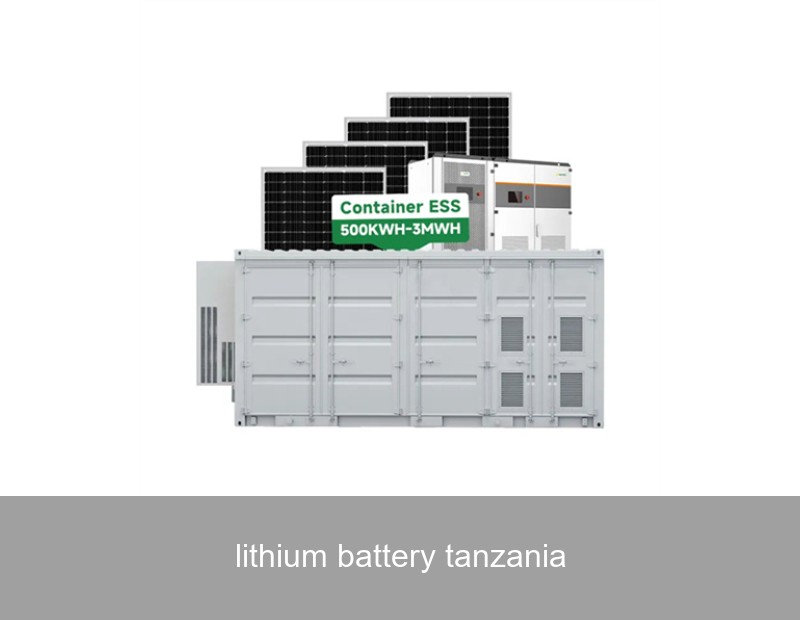
Image: A modern, containerized battery energy storage system, similar to solutions deployed for commercial/industrial use. (Source: Unsplash)
The Future is Bright and Stored
The trajectory is clear. As costs continue to fall and performance rises, lithium battery storage will move from a premium solution to a standard component of Tanzania's energy infrastructure. The International Renewable Energy Agency (IRENA) highlights storage as a key enabler for Africa's energy transition. This isn't just about replacing diesel; it's about creating a more flexible, democratic, and clean power system that empowers businesses, fosters innovation, and improves the quality of life for millions.
Highjoule is proud to contribute to this future. From our compact residential HES-S units for urban homes to our massive containerized HES-C solutions for industrial complexes, we provide the intelligent hardware and software needed to harness and store Tanzania's abundant energy. We work closely with developers, EPCs, and businesses to design systems that meet specific financial and operational goals.
What could your business, community, or project achieve with 24/7 reliable, clean power?
The conversation around energy in Tanzania is shifting from "if" there will be power to "how" it is delivered and managed. The tools to build a more resilient and prosperous future are here. What's the first step you'll take to explore how advanced energy storage can power your part of Tanzania's story?
 Inquiry
 Online Chat