


Finding the Right Lithium Dry Cell for Sale for Your Energy Storage Needs
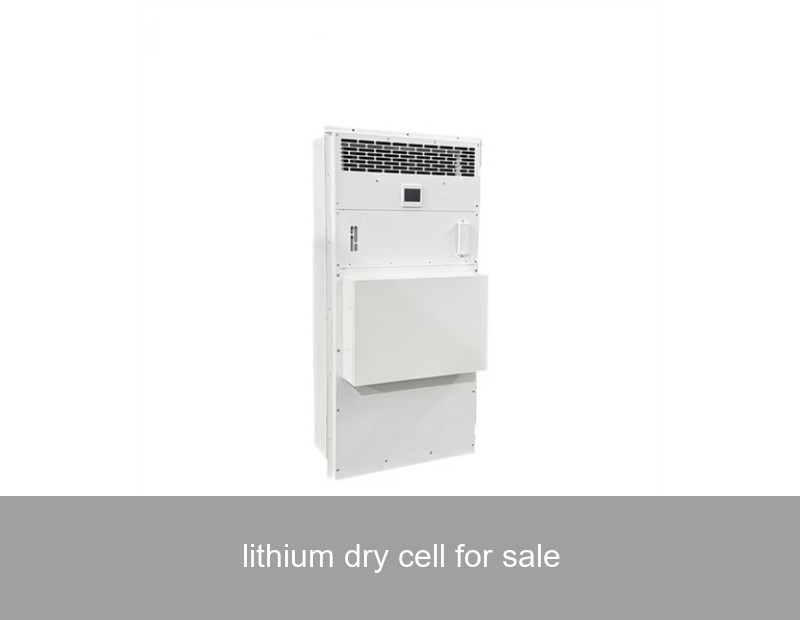
You've likely heard the buzz: lithium-ion batteries are powering our world, from smartphones to electric vehicles. But when it comes to storing energy for your home or business, a specific and often misunderstood term pops up – "lithium dry cell." If you're searching for a lithium dry cell for sale, you're probably looking for a safe, maintenance-free, and reliable battery solution for a solar setup, a backup power system, or an off-grid application. This article will demystify the technology, explore its real-world benefits, and guide you toward making an informed decision for your energy independence journey.
Table of Contents
What is a "Lithium Dry Cell" Battery?
Let's clarify the terminology first. In consumer searches, "dry cell" typically refers to batteries with an immobilized electrolyte – think of the common AA battery. In the context of modern lithium batteries, "lithium dry cell" is often a colloquial term used for Lithium Iron Phosphate (LFP) batteries that use a gel or solid polymer electrolyte, making them sealed and essentially "dry." Unlike flooded lead-acid batteries, they don't contain free liquid, eliminating risks of leakage and reducing maintenance.
For commercial and residential energy storage, when vendors offer a lithium dry cell for sale, they are most commonly referring to a battery system built with LFP chemistry. This chemistry is the cornerstone of modern safe storage due to its stable chemical structure. The "dry" aspect highlights a critical user benefit: install it and forget about it. No watering, no corrosive fumes, and flexible mounting options, even indoors.
The Chemistry Behind the Safety
LFP batteries are intrinsically safer than other lithium-ion variants. The iron-phosphate bond is stronger, making it far more resistant to thermal runaway – a chain reaction leading to overheating. This makes them the preferred choice for stationary storage where safety is non-negotiable. As noted by research from the U.S. Department of Energy, LFP chemistry offers a longer lifecycle and enhanced safety profile, which is crucial for home and business applications.

Credit: ThisisEngineering RAEng on Unsplash. Modern LFP battery modules, often referred to as "dry cells," in a clean, rack-mounted configuration.
Key Benefits Over Traditional Battery Tech
Why is the market shifting towards these advanced lithium systems? The data speaks for itself.
| Feature | Lead-Acid (Flooded) | Lithium Dry Cell (LFP) |
|---|---|---|
| Cycle Life (to 80% capacity) | 300 - 500 cycles | 3,500 - 6,000+ cycles |
| Depth of Discharge (DoD) | ~50% recommended | 90%+ usable |
| Efficiency | 70-85% | 95-98% |
| Maintenance | Regular watering, cleaning | Virtually maintenance-free | Lifespan | 3-5 years | 10-15+ years |
The numbers reveal a stark contrast. A lithium system's higher upfront cost is amortized over a vastly longer service life and greater daily utility. You're using almost all the energy you store, losing very little to heat, and replacing the system far less frequently.
Real-World Case Study: Powering a Bavarian Farmstead
Let's move from data to a real example. Consider the Müller family farm in Bavaria, Germany. Their challenge: volatile energy costs and an unreliable grid connection at their remote location. Their goal: achieve 80% energy self-sufficiency using their existing rooftop solar panels.
Phenomenon: Their old lead-acid battery bank (24 kWh) occupied a full room, required constant maintenance, and only allowed them to use 12 kWh safely. On cloudy winter days, they still relied heavily on the diesel generator.
Solution & Data: In 2022, they installed a 20 kWh lithium dry cell (LFP) storage system paired with a smart hybrid inverter. The results after one year:
- Self-Sufficiency Rate: Increased from 35% to 85% annually.
- Generator Use: Reduced by 92%.
- Energy Bill Savings: €2,800 per year.
- Space Saved: The new system was 60% smaller.
Insight: The key wasn't just the battery chemistry. It was the integration of the battery with intelligent energy management software that optimized solar charging, household consumption, and even timed the minimal grid imports to the cheapest rates. This case underscores that the value lies not just in the cell, but in the complete, smart system.
Choosing the Right System: Beyond the Cell
When evaluating a lithium dry cell for sale, you're rarely buying just a battery cell. You're investing in an integrated energy storage system. Here’s what to look for:
- Battery Management System (BMS): The brain of the operation. A high-quality BMS monitors each cell for voltage, temperature, and state of charge, ensuring safety and longevity.
- Scalability: Can you easily add more modules later if your needs grow?
- Compatibility: Does it seamlessly integrate with your existing or planned solar inverter?
- Warranty & Cycle Life: Look for a performance warranty that guarantees a certain capacity (e.g., 70%) after 10 years or a specified number of cycles.
The Highjoule Approach: Integrated Smart Storage
This is where Highjoule's expertise comes into play. Since 2005, we've moved beyond simply providing batteries. We deliver turnkey, intelligent storage solutions. For a homeowner or business, this means our Highjoule H-ESS (Home Energy Storage System) isn't just a collection of lithium dry cells. It's a pre-engineered unit combining:
- High-density, UL-certified LFP battery modules (the "dry cells").
- An advanced, integrated BMS with cell-level monitoring.
- A hybrid inverter option for seamless solar coupling.
- Our proprietary JouleMind AI energy management platform, which learns your consumption patterns and optimizes energy flow for maximum savings and resilience.

Credit: Possessed Photography on Unsplash. A modern, compact home energy storage system like Highjoule's H-ESS, integrating batteries, power electronics, and smart controls.
For commercial and microgrid applications, our Highjoule C-Block systems offer containerized or rack-mounted solutions that scale from hundreds of kWh to multiple MWh. These systems are designed with the same safety-first, LFP "dry cell" architecture but are built for the rigorous demands of peak shaving, demand charge reduction, and grid services.
The Importance of Local Support
A critical part of the EEAT (Experience, Expertise, Authoritativeness, Trustworthiness) framework is local service. Highjoule supports its European and North American customers with regional technical teams and certified installers. This ensures your system is not only high-quality but also properly installed, commissioned, and supported for its entire lifespan, adhering to all local codes and standards like VDE-AR-E 2510-50 in Germany or UL 9540 in the USA.
The Future of Dry Cell and Solid-State Technology
The term "dry cell" is actually a glimpse into the future. The next evolutionary step is solid-state batteries, which replace the liquid or gel electrolyte entirely with a solid material. This promises even greater energy density, safety, and lifespan. While still in development for mass-market energy storage, it highlights the trajectory: safer, denser, more reliable storage. Companies like Highjoule actively monitor and invest in R&D for these technologies, as reported by industry analysts like Greentech Media, to ensure our customers always have access to cutting-edge, yet proven, solutions.
So, as you continue your search for the perfect lithium dry cell for sale, ask yourself: Are you just buying a battery component, or are you investing in a long-term partnership for energy intelligence and independence?
What energy challenge in your home or business could a smart, safe, and truly maintenance-free storage system solve for you in the next decade?
 Inquiry
 Online Chat