


Battery Energy Storage Unit: The Intelligent Heart of Modern Power Resilience
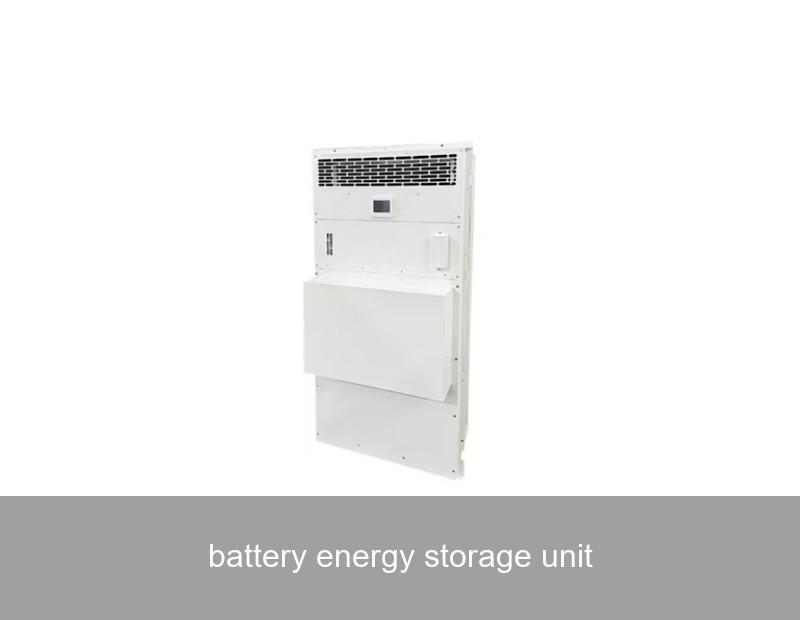
Imagine a world where power outages are a distant memory, where your business or home seamlessly draws energy from the sun even after it sets, and where electricity bills are predictable and controlled. This isn't a distant future; it's the reality enabled by the battery energy storage unit (BESU). These sophisticated systems are rapidly transforming how we generate, store, and consume electricity, moving us toward a more resilient and sustainable grid. For over 18 years, Highjoule has been at the forefront of this revolution, engineering intelligent storage solutions that empower energy independence across the globe. Let's explore how this critical technology works and why it's become indispensable.
Table of Contents
- What is a Battery Energy Storage Unit?
- The Urgency: Why BESUs Are No Longer Optional
- How a Modern BESU Works: More Than Just a Battery
- Key Applications: From Homes to Grids
- Real-World Impact: A European Industrial Case Study
- Choosing the Right BESU: Key Considerations
- The Future of Energy Storage
What Exactly is a Battery Energy Storage Unit?
A battery energy storage unit is far more than a collection of battery cells. It is an integrated, intelligent system that captures electrical energy, stores it efficiently, and dispatches it precisely when and where it's needed. Think of it as a high-performance "energy bank" for your electricity. The core components include:
- Battery Modules: The core storage medium, typically using Lithium Iron Phosphate (LFP) chemistry for its safety and long life.
- Battery Management System (BMS): The brain that monitors cell health, temperature, and state of charge to ensure safety and longevity.
- Power Conversion System (PCS): The muscle, converting DC battery power to AC for your home or business, and vice-versa.
- Energy Management System (EMS): The strategic commander, using software and algorithms to decide when to charge or discharge based on tariffs, weather, or consumption patterns.
This integrated design is what separates a true BESU from a simple battery pack. Companies like Highjoule specialize in seamlessly integrating these components into robust, user-friendly systems like our H-Series Commercial & Industrial (C&I) units and Residential PowerWall solutions, which come with 24/7 cloud-based monitoring for ultimate peace of mind.
The Urgency: Why BESUs Are No Longer Optional
The shift toward battery storage is being driven by powerful, converging global trends. It's a response to a clear phenomenon: our old, centralized grid is struggling under new pressures.
Phenomenon: Increasing grid instability, rising energy costs, and the intermittent nature of renewable sources like solar and wind.
Data: According to the U.S. Energy Information Administration, the U.S. experienced over eight hours of power interruptions per customer in 2020, with weather-related events being a major cause. Simultaneously, solar and wind capacity is soaring. The International Energy Agency notes that renewables are set to account for over 90% of global electricity capacity expansion in the next five years. This creates a mismatch—peak generation often doesn't align with peak demand.
Insight: A battery energy storage unit is the perfect mediator. It smooths out the renewable energy supply, stores excess daytime solar for use at night, and provides a critical backup during grid failures. For businesses, this translates directly to avoided downtime revenue loss and significant cost savings through strategies like peak shaving.
How a Modern BESU Works: More Than Just a Battery
Let's walk through a typical day for a Highjoule residential BESU paired with solar panels.
- Morning Charge: As the sun rises, solar panels generate electricity. The BESU's EMS prioritizes powering the home first, then directs surplus energy to charge the battery.
- Afternoon Optimization: During peak sun hours, if the battery is full, excess solar is exported to the grid (often earning credits).
- Evening Discharge: When the sun sets and electricity demand (and cost) peaks, the home automatically draws power from the battery energy storage unit, not the expensive grid.
- Grid Support: During a blackout, the system automatically islandes the home in milliseconds, providing uninterrupted backup power from the battery and solar.

This intelligence is key. Highjoule's systems use predictive algorithms based on weather forecasts and historical usage to optimize this cycle daily, maximizing self-consumption and financial return.
Key Applications: From Homes to Grids
| Application | Primary Benefit | Highjoule Solution Example |
|---|---|---|
| Residential | Energy self-sufficiency, backup power, lower bills | Highjoule PowerWall+ with integrated EMS and hybrid inverter |
| Commercial & Industrial | Peak shaving, demand charge reduction, power quality | Containerized H-Series C&I units, scalable from 100 kWh to MWh |
| Utility & Microgrids | Grid stabilization, renewable firming, deferred infrastructure upgrades | Turnkey megawatt-scale storage farms with grid-forming capabilities |
Real-World Impact: A German Manufacturing Case Study
Let's look at concrete data from a Highjoule deployment. A mid-sized automotive parts manufacturer in Bavaria, Germany, faced volatile energy prices and high "peak demand charges"—fees based on their highest 15-minute power draw each month.
Challenge: Reduce operational costs and ensure production line continuity against grid fluctuations.
Solution: Highjoule installed a 500 kWh / 250 kW H-Series battery energy storage unit integrated with their existing rooftop solar PV.
- Demand Charge Reduction: 32% average reduction in peak load, leading to direct monthly savings.
- Increased Self-Consumption: Solar self-consumption rate rose from 35% to over 80%, drastically cutting grid purchases.
- ROI: Projected payback period of under 5 years, based on energy arbitrage and demand savings.
- Resilience: The system provides seamless backup for critical loads, preventing costly production halts.
This case exemplifies how a BESU is a strategic financial asset, not just a utility product.
Choosing the Right Battery Energy Storage Unit: Key Considerations
Not all storage units are created equal. When evaluating a system, ask these critical questions:
- Chemistry & Safety: Does it use stable, long-life chemistry like LFP? Does it have comprehensive safety certifications (UL, IEC)?
- Intelligence: How smart is the EMS? Can it adapt to changing tariffs and weather patterns?
- Scalability: Can you start small and expand capacity later as needs grow?
- Warranty & Support: What is the warranted throughput or cycle life? Is there robust remote monitoring and technical support?
At Highjoule, we build these principles into every product. Our LFP-based batteries are designed for 10,000+ cycles, and our global service network provides proactive support, ensuring your investment is protected for the long term.

The Future of Energy Storage and Your Role in It
The evolution of the battery energy storage unit is accelerating. We're moving toward systems with even greater intelligence, participating in automated grid services (Virtual Power Plants), and utilizing more sustainable materials. The core mission remains: to put the power of control back into the hands of energy consumers.
Whether you're a homeowner tired of blackouts, a facility manager tasked with cutting operational costs, or a community planner designing a sustainable microgrid, the question is no longer if you need storage, but how to implement it most effectively. What specific energy challenge—be it cost, resilience, or sustainability—could a smart, reliable battery energy storage unit solve for you today?
 Inquiry
 Online Chat