


Unlocking Energy Independence: The Power of the Livoltek Hybrid Energy Storage Cabinet
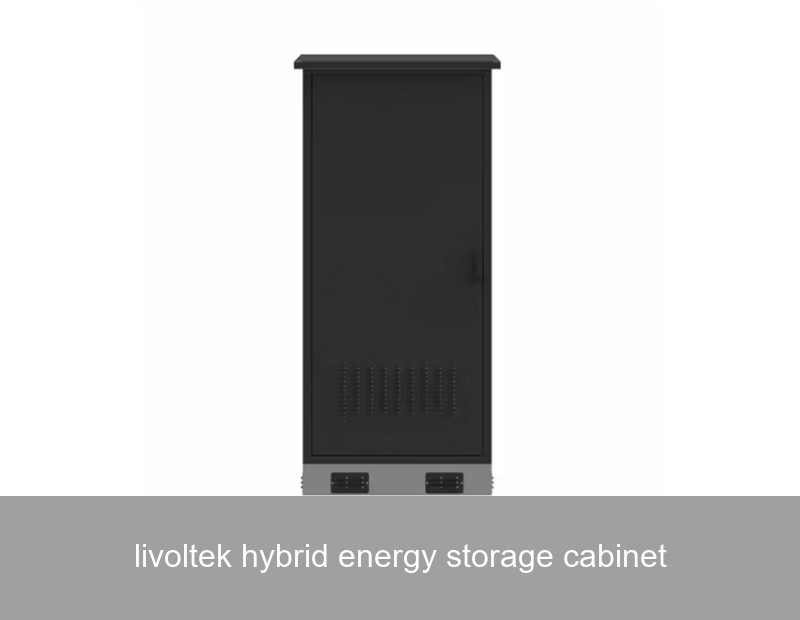
Imagine a power system that intelligently juggles solar energy, battery storage, and the grid, always choosing the most efficient and cost-effective source. This isn't a future concept; it's the reality delivered by advanced solutions like the Livoltek hybrid energy storage cabinet. For businesses and communities in Europe and the US facing volatile energy prices and a pressing need for sustainability, this technology is becoming a cornerstone of modern energy management. But what exactly is it, and how does it transform complex power flows into simple, reliable electricity? Let's delve into the world of hybrid storage.
What is a Hybrid Energy Storage Cabinet?
At its core, a hybrid energy storage cabinet is an all-in-one powerhouse. Unlike a simple battery bank, it integrates multiple critical components into a single, compact unit: the battery modules themselves, a hybrid inverter, a battery management system (BMS), and often grid-connection and solar input capabilities. Think of it as the central brain and heart of your energy system. It doesn't just store energy; it makes real-time decisions on whether to power your operations from solar panels, draw from the batteries, or pull from the grid—optimizing for cost, carbon footprint, and reliability.

Image Source: Unsplash - Representative image of advanced energy storage hardware.
The Modern Grid's Growing Pains: Data Tells the Story
The push for solutions like the Livoltek hybrid cabinet isn't happening in a vacuum. It's a direct response to tangible challenges. In Europe, day-ahead electricity prices have seen unprecedented volatility, with spikes exceeding €500 per MWh in recent years, driven by geopolitical tensions and the transition from fossil fuels. Meanwhile, the U.S. experienced a record number of billion-dollar weather disasters in 2023, many causing prolonged grid outages. This instability creates a dual imperative: financial resilience against price shocks and operational resilience against blackouts.
For a commercial or industrial entity, a single hour of downtime can cost tens of thousands of dollars. The traditional response—diesel generators—is becoming less viable due to carbon regulations, fuel costs, and noise pollution. This is the "phenomenon" stage: rising costs, increasing instability, and regulatory pressure. The data points to a clear need for a smarter, cleaner buffer. This is where the hybrid energy storage cabinet moves from being an option to a strategic asset.
Why the Livoltek Hybrid Energy Storage Cabinet Stands Out
Within this category, the Livoltek hybrid energy storage cabinet has gained recognition for its robust design and intelligent features. Here’s a breakdown of its key advantages:
- All-in-One Design: Pre-assembled and tested, it significantly reduces installation complexity and time, leading to lower "soft costs."
- High Efficiency & Scalability: With high round-trip efficiency (often above 98% for the inverter), it maximizes the usable energy from your solar array or grid charging. Modules can typically be stacked to expand capacity as your needs grow.
- Advanced Battery Management (BMS): This is the guardian of the system. It ensures each battery cell operates safely, balances charge, and prolongs the overall lifespan of the storage unit, which is crucial for return on investment.
- Multiple Operational Modes: It can seamlessly switch between modes like self-consumption (use solar first), time-of-use shifting (store cheap grid energy for peak hours), and backup power for critical loads during an outage.
| Mode | Primary Function | Best For |
|---|---|---|
| Self-Consumption | Maximizes use of on-site solar PV | Reducing grid import, increasing green energy use |
| Peak Shaving | Discharges during high utility rate periods | Slashing demand charges for C&I customers |
| Backup Power | Provides electricity during grid failures | Business continuity and critical load protection |
| Grid Services | Stabilizes the grid (frequency regulation, etc.) | Creating additional revenue streams (in some markets) |
Highjoule's Intelligent Integration: Beyond the Cabinet
While the hardware cabinet is the physical workhorse, its true potential is unlocked through intelligent software and system integration. This is where Highjoule, as a global leader in advanced储能系统, adds immense value. We don't just provide hardware; we deliver turnkey, smart power solutions.
Our approach with systems like the Livoltek cabinet involves wrapping it in Highjoule's proprietary Energy Management System (EMS) platform. This cloud-based brain analyzes weather forecasts, your energy consumption patterns, and real-time electricity prices. It then autonomously controls the hybrid cabinet to execute the most economical strategy. Imagine it: your system automatically charges the batteries overnight when grid rates are low, uses solar to power operations and top up batteries during the day, and then discharges during the expensive late afternoon peak—all without any manual intervention.
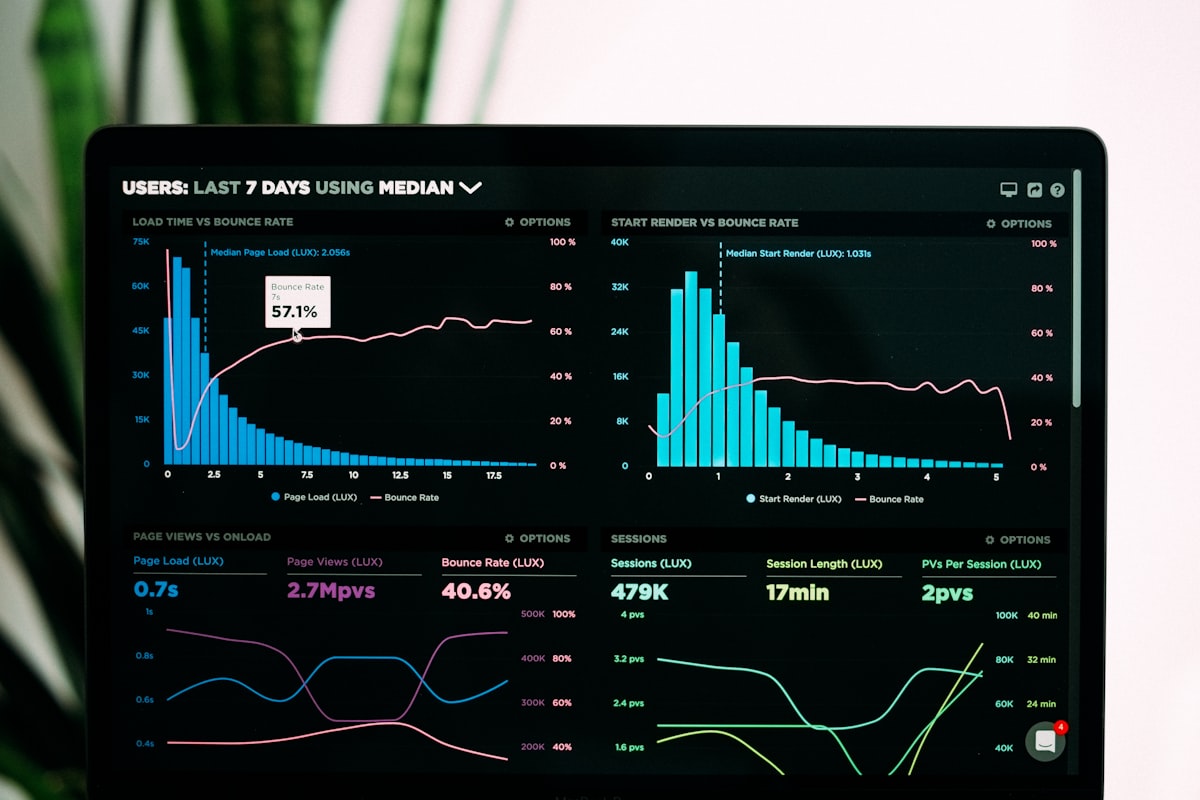
Image Source: Unsplash - Representative image of an energy data analytics dashboard.
For our commercial and industrial clients, this integration is transformative. Highjoule's solutions ensure the Livoltek cabinet doesn't operate in isolation but as a synergistic part of a broader microgrid or facility management system, potentially integrating with other generation sources and loads. Our services span from initial consultancy and design to installation, grid compliance support (crucial in markets like Germany or California), and ongoing performance monitoring.
Case Study: Powering Resilience for a German Mittelstand Manufacturer
Let's make this concrete with a real-world application. A mid-sized automotive parts supplier in Bavaria, Germany, was grappling with two issues: soaring Strompreise (electricity prices) and a need to ensure uninterrupted production for just-in-time delivery contracts.
The Challenge: Annual electricity costs exceeding €280,000, with nearly 30% attributed to demand charges and peak-time rates. Even a brief grid disturbance could halt production, risking contractual penalties.
The Highjoule Solution: We designed and deployed a system centered around a Livoltek hybrid energy storage cabinet (500 kWh capacity), coupled with an existing 250 kW rooftop solar array and our EMS. The cabinet was configured for peak shaving and backup of critical manufacturing lines.
The Data-Driven Results (after 12 months):
- Cost Savings: A 22% reduction in overall electricity costs, saving approximately €61,600 annually. This was achieved by autonomously avoiding consumption during the highest-priced grid periods.
- Backup Assurance: The system provided seamless backup power during two minor grid fluctuations, preventing an estimated €40,000 in potential production losses.
- Sustainability Boost: Increased solar self-consumption from 35% to over 70%, significantly reducing the site's carbon footprint—a key metric for their corporate sustainability reporting.
This case exemplifies the PAS framework in action: the Problem (high costs, reliability concerns), the Agitation (quantified financial and operational risk), and the Solution (the intelligently managed Livoltek hybrid storage system delivering tangible ROI).
Is Your Business Ready for the Hybrid Energy Shift?
The energy landscape is not going back to a simpler time of stable, cheap, fossil-fuel-based power. The transition to renewables is accelerating, and with it, the need for intelligent storage to balance intermittency. The Livoltek hybrid energy storage cabinet, especially when enhanced by a sophisticated partner like Highjoule, represents a mature, reliable technology to navigate this shift. It's more than backup; it's an active financial tool and a sustainability driver.
What does your facility's load profile look like during peak hours? Have you calculated the potential savings from shaving just 10% off your peak demand? The first step towards energy independence is understanding your own consumption. We invite you to start that conversation. Could your operations be the next case study in resilience and smart energy management?
 Inquiry
 Online Chat