


Emergency Power Backup for Home: Your Guide to Uninterrupted Security
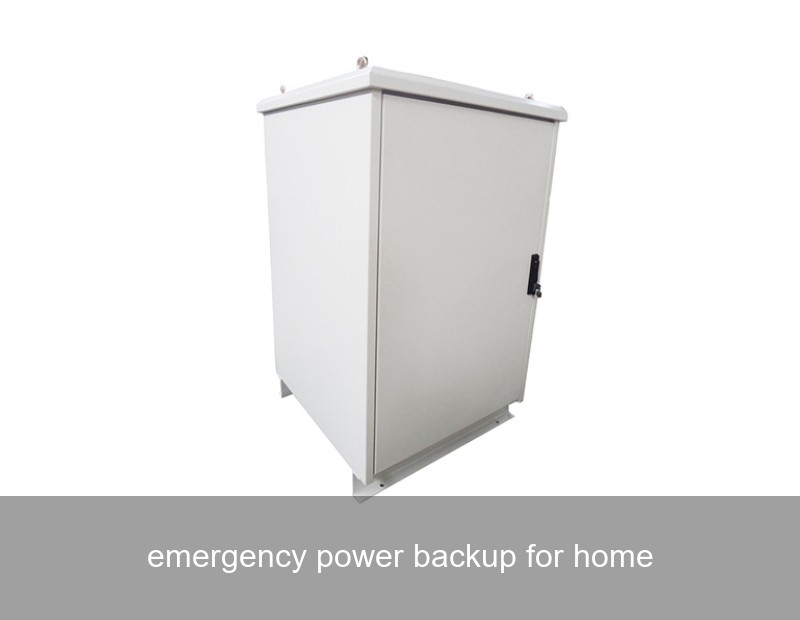
a fierce winter storm sweeps across your region, or a summer heatwave strains the grid to its limits. The lights flicker once, twice, and then go out completely. In an instant, your modern home transforms. The refrigerator stops humming, the Wi-Fi vanishes, and the heating or cooling system falls silent. This isn't just an inconvenience; it's a disruption to safety, comfort, and daily life. This is where a reliable emergency power backup for home transitions from a luxury to a modern necessity. It's your personal energy insurance policy. In this guide, we’ll explore why home backup power is more critical than ever, how modern battery storage systems work, and what you should consider to find the right solution for your family's security.
Table of Contents
- The New Normal: Why Grid Outages Are Increasing
- Beyond Generators: The Rise of Intelligent Battery Backup
- How a Modern Home Battery Backup System Works
- Key Components of a Robust Home Energy Backup System
- Real-World Case: Resilience During the 2023 Winter Storms
- Choosing Your System: Key Considerations
- The Highjoule Solution: Intelligent Power for Modern Homes
The New Normal: Why Grid Outages Are Increasing
The frequency and duration of power outages are rising, particularly in regions like North America and Europe. The causes are multifaceted and often interconnected:
- Extreme Weather Events: Climate change is leading to more intense storms, wildfires, floods, and heatwaves, which physically damage grid infrastructure.
- Aging Grid Infrastructure: Much of the existing electrical grid was built decades ago and is struggling to meet today's increased and more complex demands.
- Increased Demand: Electrification of transportation and heating, coupled with growing digital dependency, places unprecedented stress on the system.
According to a report by the U.S. Energy Information Administration (EIA), the average U.S. electricity customer experienced just over eight hours of power interruptions in 2021. While some European grids are robust, localized severe weather can still cause significant disruptions, highlighting a universal need for personal preparedness.

Image Source: Unsplash - A home with power during a storm symbolizes security and resilience.
Beyond Generators: The Rise of Intelligent Battery Backup
Traditionally, gasoline or diesel-powered generators have been the go-to for backup power. However, they come with significant drawbacks: noise, fumes, ongoing fuel costs, maintenance, and a delayed startup time. The modern alternative is a home battery energy storage system (BESS). These silent, automated systems offer instant backup power by storing electricity—often from your solar panels or the grid—for use when you need it most. They represent a shift from reactive, noisy power generation to proactive, intelligent energy management.
How a Modern Home Battery Backup System Works
The operation is elegantly simple and fully automatic. Think of it as a highly sophisticated, oversized power bank for your entire house.
- Detection: The system's intelligent gateway continuously monitors grid power.
- Seamless Switchover: The instant a grid failure is detected (in milliseconds), the system isolates your home from the grid (a critical safety feature called "islanding") and begins drawing power from the batteries.
- Power Delivery: Your essential circuits or entire home remain powered seamlessly. You likely won't even notice the transition.
- Recharge: Once grid power is restored, the system automatically reconnects and begins recharging the batteries, either from solar panels or the grid, preparing for the next event.
Key Components of a Robust Home Energy Backup System
| Component | Function | Why It Matters |
|---|---|---|
| Battery Modules | Store electrical energy chemically for later use. | Determines your available backup capacity (kWh). Lithium-ion phosphate (LFP) is the leading safe, long-life chemistry. |
| Hybrid Inverter/Charger | Converts DC battery power to AC for home use, and AC to DC to charge the batteries. Manages energy flow. | The brain of the system. A high-quality inverter ensures efficiency, clean power, and smooth integration with solar and the grid. |
| System Controller & Gateway | The system's intelligence, monitoring grid status and managing automatic switchover. | Enables seamless, automatic operation and remote monitoring via a smartphone app. |
| Critical Loads Panel (Optional) | A sub-panel that powers essential circuits like refrigeration, lighting, and medical equipment. | Extends backup duration by powering only the most important loads, making a system more cost-effective. |
Real-World Case: Resilience During the 2023 Winter Storms
Let's look at a concrete example from the United States. In January 2023, a series of atmospheric river storms battered California, causing widespread flooding and power outages affecting hundreds of thousands. A residential community in Sonoma County, equipped with integrated solar and battery storage systems, provided a compelling case study.
The Situation: The local utility implemented proactive public safety power shutoffs (PSPS) followed by storm-induced outages, leading to a cumulative 42 hours without grid power over a three-day period.
The Setup: 25 homes were equipped with an average of 10 kW solar arrays and 20 kWh battery storage systems each.
The Result:
- 100% Uptime: All 25 homes maintained continuous power for essential loads (lighting, refrigeration, communication devices, and a critical gas furnace fan).
- Energy Independence: Despite cloudy conditions, solar generation during daylight hours was sufficient to recharge batteries to 60-75% capacity daily, drastically reducing reliance on the grid even during the multi-day event.
- Cost & Carbon Savings: Households avoided the cost and hassle of hotel stays or running a generator, estimating an average saving of $450 per household. They also prevented approximately 1.2 tons of CO2 emissions that would have been produced by a typical gasoline generator.
This data, drawn from aggregated, anonymized system monitoring, underscores that a battery backup system isn't just about emergency power; it's about maintaining normalcy, safety, and sustainability during grid failures.

Image Source: Unsplash - Remote monitoring via an app puts energy control in the homeowner's hand.
Choosing Your System: Key Considerations
Selecting the right emergency power backup for home involves a few crucial questions:
- Backup Goals: Do you want to power essential circuits (e.g., fridge, lights, WiFi) or your entire home (including HVAC, electric vehicle charger)?
- Backup Duration: How many hours or days of autonomy do you need? This directly dictates battery capacity (measured in kWh).
- Solar Integration: Are you adding backup to existing solar panels, or installing a new integrated solar-plus-storage system? The latter maximizes self-sufficiency.
- Scalability: Can you easily add more battery capacity in the future if your needs change?
- Software & Monitoring: Does the system offer intuitive monitoring and control? Can it be updated to participate in future grid services or virtual power plants?
The Highjoule Solution: Intelligent Power for Modern Homes
At Highjoule, with nearly two decades of experience in advanced energy storage, we design systems that address these considerations head-on. Our ResiCore Home Energy System is engineered not just as a backup, but as the intelligent core of your home's energy ecosystem.
What sets the Highjoule ResiCore apart?
- Ultra-Safe LFP Battery Chemistry: Our proprietary LongCycle LFP battery modules are renowned for safety, longevity (over 10,000 cycles), and stable performance across a wide temperature range.
- Seamless Solar Integration: The system's hybrid inverter is optimized to work with both new and existing solar arrays, ensuring you store your solar surplus for use at night or during outages.
- Adaptive Power Management: Our smart gateway doesn't just switch during outages. It can be configured to intelligently use stored energy during peak grid demand times, potentially lowering your electricity bills—a feature growing in value in both European and U.S. markets.
- Scalable Design: Start with a base capacity and add more battery modules as your needs evolve, protecting your investment for the long term.
- Professional Support: We work with a certified network of installers to ensure your system is designed correctly, installed safely, and commissioned for optimal performance.
Our systems are deployed in thousands of homes, from snowy Scandinavian towns to sun-drenched Californian suburbs, providing peace of mind through proven technology. For a deeper dive into battery safety and chemistry, resources like the U.S. Department of Energy's primer on lithium-ion safety offer valuable background.
Beyond the Blackout: A Tool for Everyday Energy Management
The most forward-thinking aspect of a modern battery system is its dual role. Yes, it's your emergency power backup for home. But it's also a daily tool for energy independence. By storing cheap, off-peak, or self-generated solar power, you can use it during expensive peak hours, increasing your self-consumption and taking control of your energy costs. This transforms the system from an insurance policy into an active financial and environmental asset.
So, as you think about securing your home's power, consider this: When the next grid alert arrives, will you be waiting in the dark, or will you be the house on the block where the lights—and the comfort—stay on? What's the first appliance you'd want to keep running during an outage?
 Inquiry
 Online Chat