


The Sustainable Powerhouse: Energy Solutions for Your Expandable Container Home
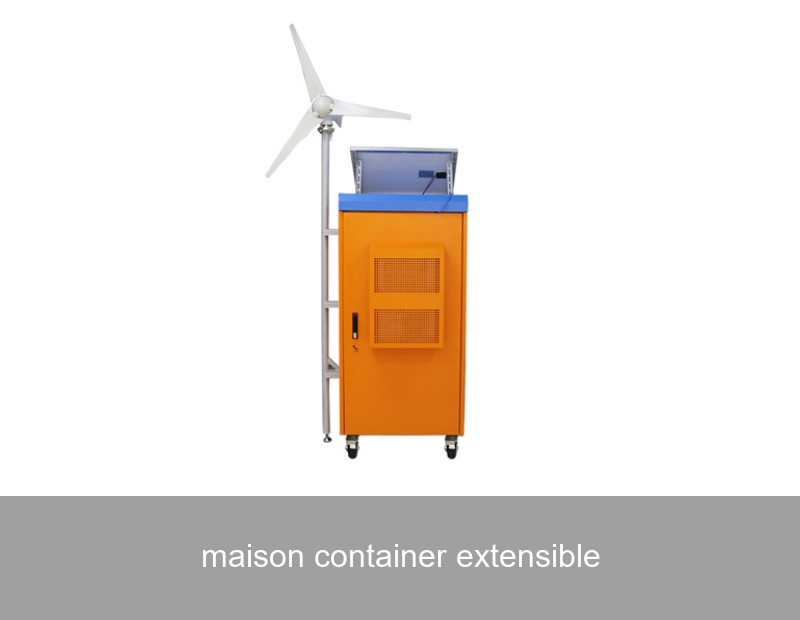
Imagine your maison container extensible – a sleek, modern, and modular home that grows with your needs. It's a symbol of efficient, adaptable living. But have you considered its heart and soul: the energy system? True modern living isn't just about space; it's about powering that space intelligently and sustainably. This is where the conversation about renewable energy and advanced storage becomes critical for homeowners embracing this innovative housing trend.
Table of Contents
- The Core Challenge: Energy Demands of a Growing Home
- The Data Reality: Why Grid-Only is a Risky Choice
- The Solution Blueprint: A Self-Sufficient Energy Ecosystem
- Real-World Case: The Off-Grid Alpine Retreat
- Highjoule's Role: The Intelligent Core of Your Container Home
- Future-Proofing Your Investment
The Core Challenge: Energy Demands of a Growing Home
The very appeal of an expandable container house is its flexibility. You start with a core unit and add modules—a new bedroom, a studio, a workshop. But each addition isn't just square footage; it's new electrical loads: more lighting, HVAC for the new space, perhaps an electric vehicle charger. Your energy needs aren't static, and a conventional grid-tied system can leave you exposed to rising costs and unreliable supply, especially in remote or eco-conscious locations where these homes are often placed.
The Data Reality: Why Grid-Only is a Risky Choice
Let's talk numbers. According to the U.S. Energy Information Administration (EIA), the average U.S. electricity price for residents has seen a consistent upward trend, increasing by over 30% in the last decade. In Europe, the 2022-2023 energy crisis exemplified extreme volatility, with prices in some markets soaring by 500%+. For a maison container extensible, designed for efficiency, being at the mercy of these fluctuations contradicts its innovative spirit.
Furthermore, grid stability is no longer a given. Extreme weather events, from heatwaves straining networks to winter storms causing outages, are becoming more frequent. A home that can physically expand should also have an energy system that ensures resilience, no matter the conditions outside.
The Solution Blueprint: A Self-Sufficient Energy Ecosystem
The answer lies in creating a personal microgrid. Think of it as an integrated, automated system with three key components:
- Solar PV Generation: Rooftops of container modules offer perfect, unobstructed space for high-efficiency solar panels. They are your primary fuel source, converting sunlight into free, clean electricity.
- The Brain & The Brawn (Inverter & Battery): This is the crucial duo. The smart inverter manages the flow of electricity, while the battery storage system stores excess solar energy for use at night or during cloudy days.
- Energy Management System (EMS): The true intelligence. This software learns your consumption patterns, prioritizes power for critical loads, and can even decide when to draw from the grid, use batteries, or sell back surplus energy.

Image Source: Unsplash - Example of a container home suitable for solar integration.
Real-World Case: The Off-Grid Alpine Retreat
Consider a project we supported in the Austrian Alps. A client built a maison container extensible as a year-round retreat in an area with no grid connection. The challenge was substantial: power heating (heat pumps), lighting, appliances, and a workshop through harsh winters and variable sunshine.
The implemented solution included:
- A 24 kW solar array mounted on the main and expanded container units.
- A Highjoule HES Series Hybrid Energy Storage system with 40 kWh of usable capacity.
- Our proprietary AI-driven EMS for predictive load management.
| Metric | Outcome |
|---|---|
| Energy Self-Sufficiency | 98% of annual demand met independently |
| Reliability | Zero unexpected power outages, even during a 3-day snowstorm |
| Cost Savings | Eliminated ~€4,500 in estimated annual diesel generator fuel and maintenance costs |
This case, documented in part with data from the International Energy Agency (IEA) reports on solar adoption, proves that with the right technology, complete off-grid resilience is not just possible but highly efficient.
Highjoule's Role: The Intelligent Core of Your Container Home
Since 2005, Highjoule has specialized in making such energy independence accessible and reliable. For your expandable container home, we don't just sell a battery; we provide a scalable, intelligent power foundation.
Our HES Series is particularly suited for residential and microgrid applications. Its modular design means you can start with a 10 kWh unit and seamlessly add more battery modules as your home—and your energy needs—expand. It integrates flawlessly with leading solar inverters and features built-in grid-forming technology, meaning it can create a stable, islanded electrical grid for your home if the main grid fails.
More than hardware, our Highjoule EnergyOS platform is the brain. It gives you real-time visibility and control over your energy flows via a simple app. You can see how much solar you're producing, what your home is consuming, and your battery level. More importantly, it automatically optimizes for cost or self-consumption, ensuring every kilowatt-hour of your solar energy is used to its maximum potential.

Image Source: Unsplash - Representative image of a modern home battery system.
Future-Proofing Your Investment
Building a maison container extensible is a forward-thinking decision. Partnering with an experienced energy solutions provider like Highjoule ensures that your power infrastructure is equally future-proof. Our systems are designed for over 6,000 cycles, ensuring decades of service. They are also software-upgradable, so new features and optimizations can be added remotely.
As you contemplate the design of your modular home, we encourage you to think of energy not as an afterthought, but as a foundational design pillar. How will your energy system adapt when you add that next container module? Will it be as simple and integrated as the architecture itself?
What is the first load you would want to secure with your own sustainable power—your home office, your family's comfort, or your electric vehicle that connects you to the wider world?
 Inquiry
 Online Chat