


What Is a Solar Battery ESS System and Why Is It a Game-Changer for Energy Independence?
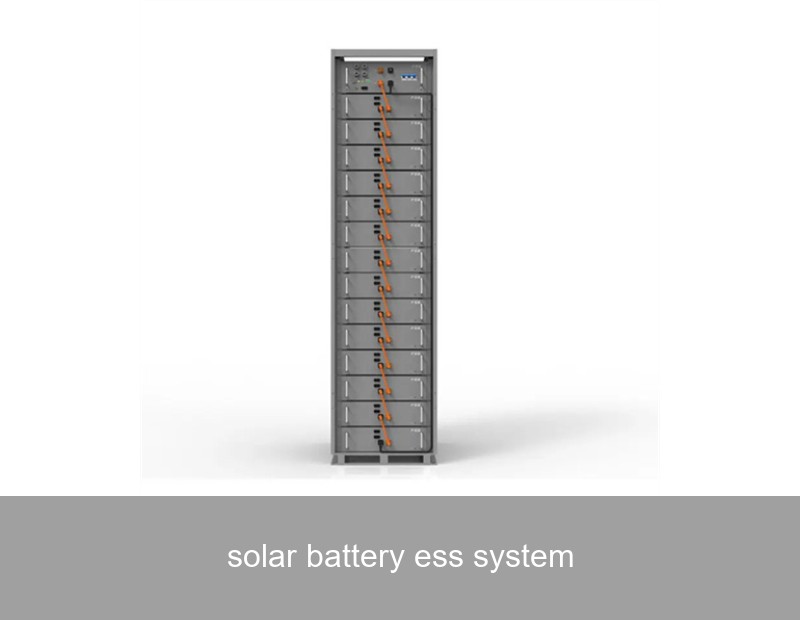
Have you ever watched your solar panels produce a surplus of energy on a sunny afternoon, only to draw power from the grid (and pay for it) that same evening? This common frustration highlights a key challenge in renewable energy: the mismatch between generation and consumption. This is precisely where a solar battery ESS (Energy Storage System) comes into play. More than just a simple battery, it's an intelligent, integrated system designed to store the excess solar energy you produce and dispatch it precisely when you need it most. For homeowners and businesses across Europe and the US, this technology is transforming solar power from a supplementary energy source into a reliable, 24/7 solution for maximizing self-consumption, reducing electricity bills, and enhancing resilience.
Table of Contents
What Exactly is a Solar Battery ESS?
Let's break down the terminology. A solar battery ESS is not a single device but a sophisticated ecosystem. It seamlessly integrates with your existing or new solar photovoltaic (PV) array. While the solar panels generate DC (direct current) electricity, the ESS manages, converts, stores, and releases that energy. Think of it as the brain and heart of your personal energy microgrid. It makes real-time decisions: should the solar power go directly to your appliances, charge the battery bank, or be exported to the grid? Its primary goal is to shift your solar energy in time, turning daytime abundance into nighttime resource.
Key Components of a Modern Solar Battery ESS
A robust system comprises several critical parts working in harmony:
- Battery Pack: The core storage unit, typically using Lithium Iron Phosphate (LFP) chemistry for its safety, long lifespan, and stability. This is where your kilowatt-hours (kWh) of solar energy are physically stored.
- Hybrid or AC-Coupled Inverter: This is the system's translator and manager. It converts DC electricity from the panels or batteries into AC electricity for your home. A hybrid inverter can handle both solar and battery input simultaneously, optimizing efficiency.
- Battery Management System (BMS): The guardian of your battery. It monitors cell voltage, temperature, and state of charge to ensure safe operation and maximize the battery's service life.
- Energy Management System (EMS): The strategic brain. This software-based controller analyzes energy production, consumption patterns, electricity rates, and even weather forecasts to make intelligent decisions on when to charge, discharge, or hold.
This integrated approach is what companies like Highjoule have perfected since 2005. Highjoule's H-Stack Modular ESS, for instance, embodies this principle. Its modular design allows for scalable capacity from 10 kWh to over 30 kWh, and its built-in EMS can be programmed for advanced strategies like peak shaving and time-of-use optimization, putting you in complete control of your energy assets.

Image Source: Unsplash - A modern home solar and storage installation
Tangible Benefits: Beyond Just Backup Power
The advantages of integrating a solar battery ESS extend far beyond providing light during a blackout.
| Benefit | Explanation | Impact |
|---|---|---|
| Maximized Self-Consumption | Use more of the solar energy you produce, sometimes increasing consumption from 30% to 70% or more. | Drastically reduces electricity imports from the grid. |
| Reduced Energy Bills | Discharge stored energy during peak evening hours when grid rates are highest (Time-of-Use rates). | Direct and significant monthly savings on utility bills. |
| Enhanced Resilience & Backup | Provides seamless, automatic power during grid outages, keeping essential loads running. | Peace of mind and continuity for homes and businesses. |
| Grid Support & Sustainability | Reduces strain on the grid during peak demand and enables a higher penetration of renewables. | Contributes to a more stable and cleaner community energy system. |
For commercial and industrial applications, Highjoule's solutions take this further. Their Industrial PowerBrick ESS is engineered for demanding cycles and can be configured for applications like demand charge reduction, which can constitute up to 50% of a business's electricity bill. By discharging the battery to cap peak power draws, businesses see a rapid return on investment.
Real-World Impact: A Case Study from California
Let's look at real data. A medium-sized winery in Napa Valley, California, faced two major issues: high Time-of-Use (TOU) electricity rates, especially during the late afternoon and evening operational hours, and frequent brief grid disruptions that risked spoiling sensitive fermentation processes.
Phenomenon: High operational costs and vulnerability to grid instability.
Data & Solution: In 2023, the winery installed a 200 kW solar PV array coupled with a 500 kWh Highjoule Microgrid ESS. The system was programmed with an advanced peak-shaving algorithm and provided seamless backup power.
Results (First 12 Months):
- Energy Cost Reduction: 68% decrease in monthly energy bills by avoiding peak TOU rates.
- Demand Charge Savings: Reduced peak demand from the grid by 40%, saving thousands annually.
- Reliability: Successfully rode through 14 grid disturbances with zero operational downtime.
- ROI: Projected payback period of under 5 years, factoring in available state incentives.
This case, documented in a DOE SETO report on commercial storage, illustrates the multi-faceted value proposition of a well-designed solar battery ESS beyond the residential setting.
Choosing the Right System: What to Look For
Not all systems are created equal. When evaluating a solar battery ESS, consider these critical factors:
- Usable Capacity & Power: How many kWh can you actually use (not just the total nameplate), and what is the continuous power output (in kW)? Can it run your air conditioner or critical machinery?
- Depth of Discharge (DoD) & Warranty: A battery with a 90% DoD and a 10-year warranty guaranteeing 60% remaining capacity offers far more long-term value than one with a 70% DoD and a shorter warranty.
- Efficiency (Round-Trip): Look for systems with >90% efficiency. This means for every 10 kWh you put in, you get over 9 kWh back out—minimizing energy loss.
- Integration & Smart Features: Does it offer an intuitive app for monitoring and control? Can it integrate with future smart home devices or respond to grid signals for potential revenue streams?
This is where Highjoule's focus on intelligent, efficient, and sustainable solutions shines. Their systems are designed with these very metrics in mind, offering high round-trip efficiency, extensive warranty terms, and a user-friendly Highjoule Energy Hub platform for complete oversight.

Image Source: Unsplash - Monitoring energy flow via a smartphone app
The Future of Home and Business Energy
The trajectory is clear. As electricity prices fluctuate and climate-consciousness grows, the passive "set-and-forget" solar system is evolving into an active, intelligent energy asset. The solar battery ESS is the cornerstone of this evolution, enabling true energy independence. It transforms consumers into "prosumers"—both producers and managers of their power. With advancements in vehicle-to-grid (V2G) technology and virtual power plants (VPPs), these distributed systems will play a crucial role in stabilizing the broader grid, as noted by research from the National Renewable Energy Laboratory (NREL).
So, as you consider taking control of your energy costs and contributing to a resilient grid, what will be the first step in designing your own path to energy independence? Could your home or business be the next case study in efficiency and savings?
 Inquiry
 Online Chat