


How the Masdar Solar Panels Factory Illuminates the Future of Sustainable Energy
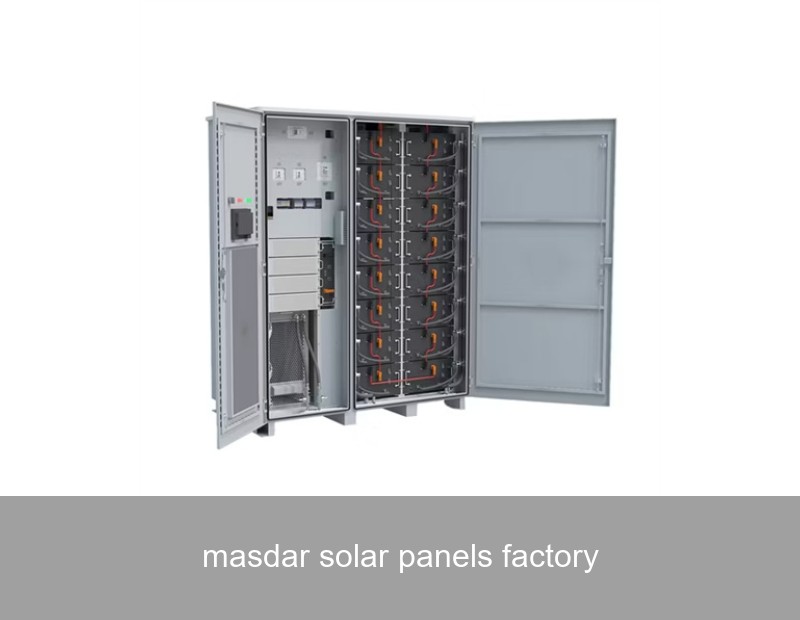
When we talk about the global energy transition, certain names become beacons of progress. The Masdar Solar Panels Factory is one such beacon. As a cornerstone of the UAE's Masdar initiative, this facility isn't just manufacturing photovoltaic modules; it's producing the building blocks for a cleaner grid. But here's a critical insight often overlooked: the true potential of solar energy, whether from a massive desert plant or a residential rooftop, is only unlocked when paired with intelligent energy storage. This is where the story of generation meets the imperative of resilience, and where companies like Highjoule step in to complete the equation.
Table of Contents
- The Phenomenon: Solar's Rise and Its Inherent Challenge
- The Data: Quantifying the Intermittency Gap
- The Case Study: Masdar's Vision and the Storage Imperative
- The Solution: Bridging the Gap with Advanced Battery Storage
- Highjoule's Role: Intelligent Storage for a Stable Grid
The Phenomenon: Solar's Rise and Its Inherent Challenge
Solar energy capacity is skyrocketing globally. Factories like the Masdar facility are crucial in meeting this demand, driving down costs through scale and innovation. The phenomenon is clear: solar is now one of the cheapest sources of new electricity in history. However, this creates a new, more complex challenge for grid operators and energy consumers alike: intermittency. The sun doesn't shine at night, and cloud cover can cause unpredictable dips in generation. This variability can strain traditional grids, leading to instability, curtailment (wasting excess solar power), and a reliance on fossil fuel "peaker" plants to fill the gaps.
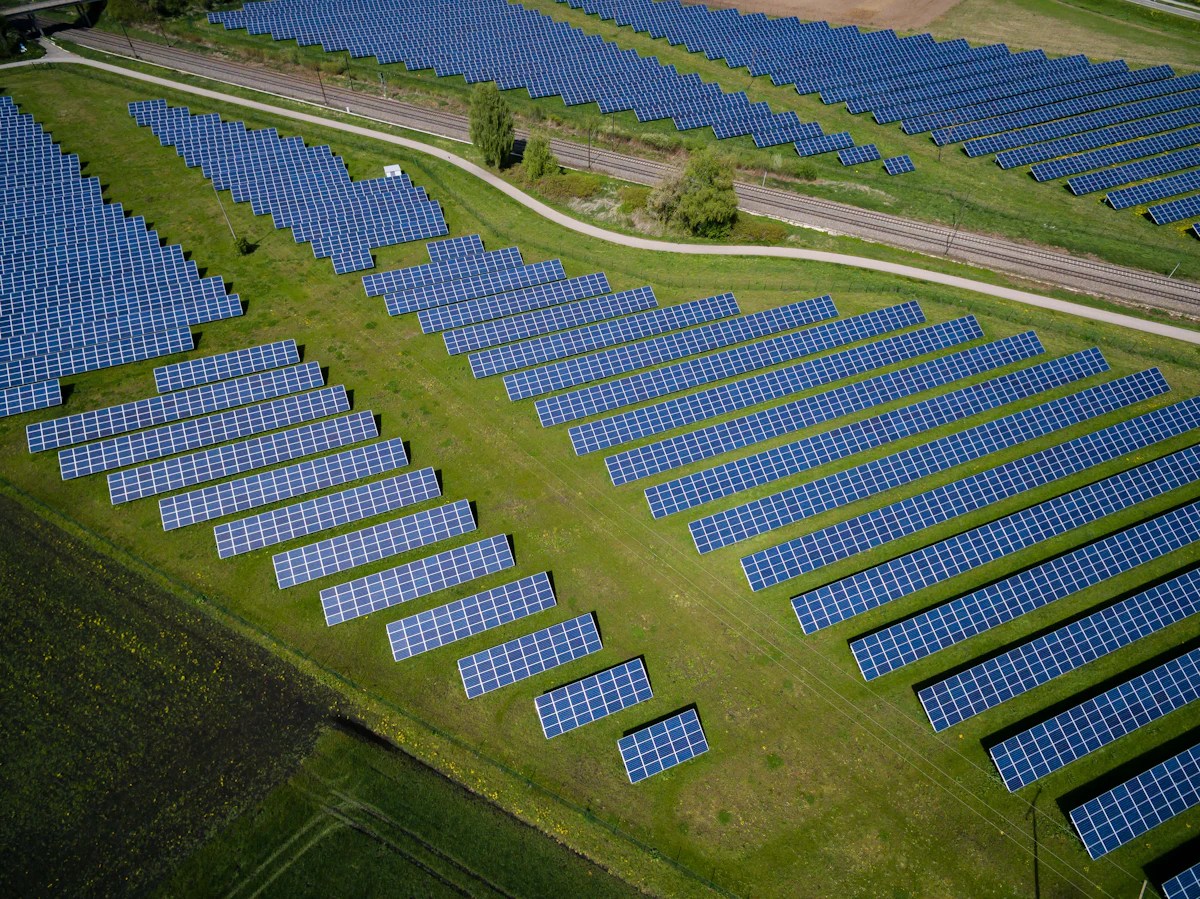
Image Source: Unsplash - Representative image of a utility-scale solar farm.
The Data: Quantifying the Intermittency Gap
Let's look at the numbers. According to the International Energy Agency (IEA), solar PV generation is set to surpass hydropower and nuclear by 2027. Yet, a study by the U.S. Department of Energy's National Renewable Energy Laboratory (NREL) highlights that without significant storage, the value of additional solar to the grid decreases as penetration increases. In some high-penetration scenarios, over 30% of potential solar generation could be curtailed without storage. This isn't just a technical hiccup; it's an economic and environmental inefficiency that undermines the very goal of the clean energy transition.
The Case Study: Masdar's Vision and the Storage Imperative
Masdar City itself serves as a living laboratory. This planned city in Abu Dhabi aims to be one of the world's most sustainable urban developments. The Masdar Solar Panels Factory supplies PV modules for the city's 10 MW solar rooftop program and other projects. However, to achieve true 24/7 clean energy and grid stability, Masdar integrates energy storage systems (ESS) into its projects.
A prime example is the Masdar City's pilot battery storage project. This system, integrated with the city's solar generation, provides critical grid services like frequency regulation and peak shaving. Data from the project demonstrates a reduction in grid stress during peak demand hours and allows for more solar energy to be used locally rather than exported unsustainably. It showcases a vital model: even the most advanced solar panels need a sophisticated "brain" and "battery" to maximize their impact. This principle applies universally, from a forward-thinking city in the UAE to a manufacturing plant in Germany or a residential community in California.
Key Outcomes from Integrated Solar+Storage Projects:
| Metric | Impact with Storage | Impact without Storage |
|---|---|---|
| Solar Self-Consumption | Can increase from ~30% to 70%+ | Limited to immediate daytime use |
| Grid Demand During Peak | Significantly reduced (peak shaving) | High, requires fossil-fuel backup |
| Energy Cost Stability | High protection from price volatility | Exposed to market price spikes |
| Grid Reliability Support | Provides frequency regulation services | Can contribute to grid instability |
The Solution: Bridging the Gap with Advanced Battery Storage
The answer to solar's intermittency is a seamless marriage with advanced battery storage. Think of it this way: the solar panels are the excellent food producers, working hard during the day. The battery storage system is both the pantry and the smart kitchen manager—it stores the surplus for later and decides the most efficient time and way to use it. This combination, often called "solar-plus-storage," transforms variable generation into a dependable, dispatchable power source.
Modern battery energy storage systems (BESS) go beyond simple charging and discharging. They are integrated with intelligent energy management systems (EMS) that use software and algorithms to:
- Forecast solar generation and energy consumption patterns.
- Optimize the charge/discharge cycles based on electricity prices, weather, and grid needs.
- Provide grid services like frequency response, enhancing stability for everyone.
Highjoule's Role: Intelligent Storage for a Stable Grid
This is precisely where Highjoule's expertise becomes crucial. Since 2005, we have been at the forefront of designing and deploying advanced battery storage solutions that make renewable energy projects like those powered by Masdar solar panels truly effective and reliable. For a commercial or industrial facility installing a large solar array, Highjoule's IntelliBESS platform is the ideal partner.
Our systems are engineered to handle the high throughput and rapid cycling required by solar coupling. For instance, a factory in Bavaria using solar panels can integrate a Highjoule BESS to ensure its production lines run on solar power even after sunset, dramatically reducing both its energy costs and carbon footprint. Our AI-powered EMS automatically maximizes financial returns through energy arbitrage and participation in grid balancing markets, a feature increasingly valuable in both European and U.S. markets.

Image Source: Unsplash - Representative image of a modern battery storage unit.
For microgrid applications—whether for a remote community, a university campus, or a critical infrastructure site—Highjoule provides turnkey resilient power systems. We design solutions that combine solar generation (potentially from suppliers like the Masdar factory) with our robust battery storage, ensuring energy independence and security. Our systems are built with safety and longevity as core principles, using top-tier battery cells and comprehensive thermal management systems.
The Future: Integrated Systems for Energy Independence
The journey of a solar panel from a factory like Masdar's to becoming a cornerstone of a clean energy system is incomplete without storage. As we move towards a decentralized energy landscape, the value of integrated, intelligent systems will only grow. The future belongs not just to solar panels or batteries in isolation, but to harmonized ecosystems where generation, storage, and smart software work as one.
This raises a pivotal question for business leaders, utility planners, and policymakers: As you plan your next solar investment, have you designed the storage strategy that will ensure its maximum economic and environmental return for decades to come?
 Inquiry
 Online Chat