


MEA Smart Energy Solutions: Powering a Sustainable and Resilient Future
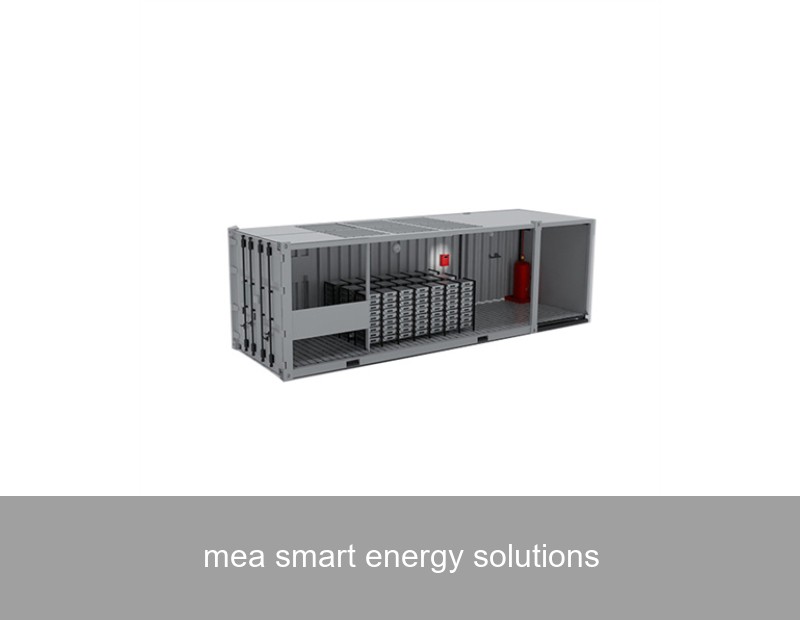
Imagine a region bathed in sunlight, blessed with abundant renewable resources, yet facing the complex challenge of integrating this power into a stable, modern grid. This is the reality and the opportunity for the Middle East and Africa (MEA). Here, MEA smart energy solutions are not just a trend; they are the essential key to unlocking economic growth, energy security, and environmental stewardship. This article delves into how intelligent energy management, powered by advanced technology, is transforming the MEA landscape, making it a global leader in the clean energy transition.
Table of Contents
- The MEA Energy Phenomenon: Sun, Growth, and Grid Strain
- The Data Driving Change: Why "Smart" is Non-Negotiable
- Core Components of a Modern MEA Smart Energy Ecosystem
- Case Study: A Moroccan Industrial Park's Journey to Resilience
- Highjoule's Role: Delivering Intelligence for MEA's Energy Ambitions
- Future Horizons: The Path Ahead for MEA Smart Grids
The MEA Energy Phenomenon: Sun, Growth, and Grid Strain
The MEA region presents a unique energy paradox. It possesses some of the world's highest solar irradiance levels, a colossal natural battery waiting to be tapped. Simultaneously, rapid urbanization, industrial expansion, and population growth are driving electricity demand to unprecedented heights. Traditional grid infrastructure, often reliant on fossil fuels, is struggling under this dual pressure, leading to concerns over reliability, cost, and sustainability.
This is where the shift from conventional to intelligent systems becomes critical. MEA smart energy solutions address this by moving beyond simple generation to holistic management. They integrate solar PV, wind, and crucially, energy storage, with sophisticated software that can predict, control, and optimize energy flows in real-time. Think of it as giving the grid a brain and a battery, enabling it to think ahead and store surplus energy for when it's needed most.
The Data Driving Change: Why "Smart" is Non-Negotiable
The rationale for this smart transformation is backed by compelling data. According to the International Renewable Energy Agency (IRENA), the MEA region could meet nearly 50% of its electricity demand with renewables by 2030, with solar PV leading the charge (Source: IRENA). However, the variability of renewables requires firming. A study by the Africa Development Bank highlights that power outages cost African economies an estimated 2-4% of GDP annually, underscoring the urgent need for resilient, decentralized power systems (Source: AfDB).
These figures paint a clear picture: integrating renewables at scale is impossible without smart controls and storage. The goal is to create self-optimizing microgrids and virtual power plants that can operate independently or in harmony with the main grid, ensuring lights stay on, factories keep running, and communities thrive.
Core Components of a Modern MEA Smart Energy Ecosystem
So, what exactly constitutes these intelligent solutions? Let's break down the key technological pillars:
- Advanced Energy Storage Systems (ESS): The cornerstone. High-capacity, safe lithium-ion battery systems store excess solar energy for use at night or during peak tariff periods, providing critical backup power and grid services.
- Intelligent Energy Management Software (EMS): The "brain." This platform uses AI and machine learning to forecast energy production and consumption, automatically dispatch storage, and optimize for cost or carbon savings.
- Grid-Interactive Inverters: The "interface." Smart inverters do more than convert DC to AC; they stabilize grid voltage and frequency, allowing for seamless islanding and reconnection.
- IoT & Connectivity: The "nervous system." A network of sensors and meters provides real-time data on every aspect of the energy system, enabling proactive management and predictive maintenance.

Image: A visual representation of integrated solar and storage, key to MEA smart energy solutions. (Source: Unsplash, credit: American Public Power Association)
Case Study: A Moroccan Industrial Park's Journey to Resilience
Let's move from theory to practice. Consider a textile manufacturing park just outside Casablanca, Morocco. Facing frequent grid instability and rising electricity costs, the park's management sought a reliable and cost-effective power solution.
The Challenge: Ensure 24/7 power for critical manufacturing processes, reduce reliance on expensive diesel generators, and lower overall energy expenses.
The Smart Solution: A turnkey MEA smart energy solution was deployed, featuring:
| Component | Specification | Role |
|---|---|---|
| Rooftop Solar PV | 2.5 MWp | Primary daytime generation |
| Highjoule H-Stack Commercial ESS | 1.5 MWh / 750 kW | Energy shifting, peak shaving, backup |
| Highjoule Neuron EMS | Cloud-based AI platform | Optimizes self-consumption, predicts loads |
The Results (After 12 Months):
- Energy Cost Reduction: 40% decrease in grid electricity purchases.
- Reliability: Zero production downtime due to grid outages.
- Sustainability: Carbon footprint reduced by approximately 1,200 tonnes of CO2 annually.
- ROI: Projected payback period of under 5 years.
Highjoule's Role: Delivering Intelligence for MEA's Energy Ambitions
As a global leader with nearly two decades of experience, Highjoule is uniquely positioned to partner with MEA nations, utilities, and businesses in this energy transformation. We understand that effective MEA smart energy solutions require more than just hardware; they require deep system integration expertise and reliable, long-term performance.
Our approach is built on the Highjoule Hyperion Platform, which seamlessly combines our high-density, containerized battery storage systems with our proprietary, AI-driven management software. For a region like the MEA, where environmental conditions can be extreme, our products are engineered for durability and safety, featuring advanced thermal management and multi-layer protection systems.
Whether it's enabling a remote community microgrid to run on solar-plus-storage, helping a utility firm up its renewable generation, or allowing a factory to achieve "power plant" status through demand response, Highjoule provides the technological foundation. We work closely with local partners to ensure our solutions are not just imported, but integrated into the specific economic and regulatory fabric of each MEA country.

Image: Centralized control is vital for managing complex smart energy assets. (Source: Unsplash, credit: ThisisEngineering)
Future Horizons: The Path Ahead for MEA Smart Grids
The evolution of MEA smart energy solutions is accelerating. We are moving towards increasingly decentralized and democratized energy networks. Peer-to-peer (P2P) energy trading, enabled by blockchain and smart contracts, could allow a homeowner with solar panels in Saudi Arabia to sell excess power directly to a neighbor. Electric vehicle (EV) fleets will act as mobile storage assets. Artificial intelligence will move from optimization to fully autonomous grid management.
For nations in the MEA region, this isn't just about keeping up; it's about leapfrogging outdated infrastructure, much like the mobile telecommunications revolution. Investing in smart, flexible energy systems today lays the groundwork for a competitive, sustainable, and energy-independent future.
Ready to Explore Your Smart Energy Potential?
The journey toward energy intelligence begins with a conversation. What is the most pressing energy challenge your organization or community faces today—is it cost, reliability, sustainability, or a combination of all three? How do you envision a smarter energy system powering your future growth?
 Inquiry
 Online Chat