


Mobile Solar Panels with Battery: Your Complete Guide to Off-Grid Freedom
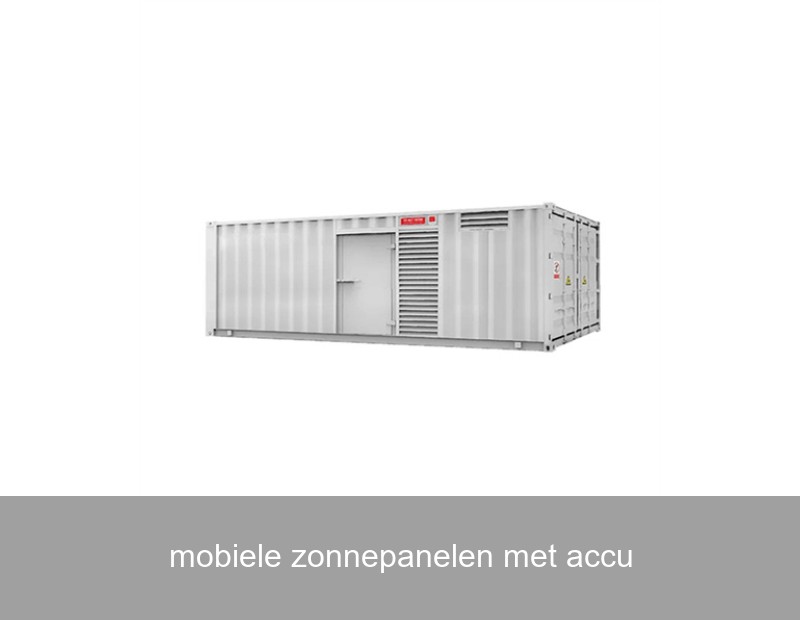
Imagine having the power of the sun, neatly packaged in a system you can take anywhere. That's the promise of mobile solar panels with a battery—a game-changing technology turning vans, boats, remote cabins, and event sites into self-sufficient power hubs. Whether you're an adventurous nomad, a sustainability-focused business, or simply seeking energy resilience, these portable power stations are redefining how we access electricity. But with so many options, how do you choose a system that's reliable, efficient, and truly built to last? This guide will illuminate the path, blending expert insights with real-world applications to help you harness mobile solar power effectively.
Table of Contents
- What Are Mobile Solar Panel & Battery Systems?
- Key Components Breakdown
- Real-World Applications & A Case Study
- Choosing the Right System: Key Considerations
- Highjoule's Intelligent Mobile Energy Solutions
- Future Trends & Your Next Step
What Are Mobile Solar Panel & Battery Systems?
At their core, mobile solar panels with a battery are integrated, portable units that capture solar energy, convert it to usable electricity, and store it for on-demand use. Unlike permanent rooftop installations, these systems are characterized by their flexibility, durability, and often, "plug-and-play" design. The market is booming, especially in Europe and North America, driven by the rise of van life, the need for backup power in extreme weather events, and the push for greener temporary power at festivals and construction sites. According to the International Energy Agency (IEA), distributed solar PV, which includes mobile and portable applications, is one of the fastest-growing segments in renewable energy.

Image Source: Unsplash - A typical setup for mobile solar power in outdoor recreation.
Key Components: More Than Just a Panel and a Box
Understanding the anatomy of a high-quality system is crucial. It's a symphony of components where each part's performance impacts the whole.
- Solar Panels (PV Modules): For mobility, you need panels that are lightweight, robust, and often flexible. Monocrystalline panels are the go-to for efficiency, squeezing more power from limited space. Look for panels with strong encapsulation to withstand vibration and harsh weather.
- Battery Storage (The Heart of the System): This is where technology matters most. While lead-acid is cheaper, Lithium-ion (Li-ion), particularly Lithium Iron Phosphate (LFP), is the industry standard for mobile use due to its longer lifespan, higher depth of discharge, superior safety, and lighter weight. A quality Battery Management System (BMS) is non-negotiable for protection and longevity.
- Charge Controller & Inverter: The charge controller regulates the power from the panels to the battery, preventing overcharging. A Maximum Power Point Tracking (MPPT) controller is far more efficient than PWM types, especially in variable light. The inverter converts stored DC battery power to AC power for your standard appliances. A pure sine wave inverter is essential for sensitive electronics like laptops and medical equipment.
Why System Integration is Everything
You can't just cobble together the cheapest parts. A truly reliable mobile solar panel with battery system features components that are specifically designed to communicate and work in harmony. Incompatibility can lead to efficiency losses, safety hazards, and premature failure. This is where expertise from a seasoned provider makes all the difference.
Real-World Applications & A Data-Driven Case Study
The beauty of this technology is its versatility. From powering a weekend camping trip to running critical equipment, the applications are vast.
- Recreational Vehicle (RV) & Van Life: Achieving energy independence on the road.
- Marine Use: Keeping navigation systems and comforts running on sailboats and yachts.
- Remote Work & Off-Grid Cabins: Providing primary power for tools, communication, and basic amenities.
- Events & Disaster Response: Offering silent, emission-free power for medical stations, lighting, and communications in temporary or emergency settings.
Case Study: Mobile Healthcare Clinic in Rural California
Consider the challenge faced by a mobile healthcare unit serving remote communities in Northern California. Their diesel generator was loud, polluting, and expensive to fuel. They needed a clean, quiet, and reliable power source for medical refrigeration (vaccines), lighting, and diagnostic equipment.
Solution & Data: A custom system was deployed featuring:
- 2.4 kW of high-efficiency, ruggedized folding solar panels.
- A 10 kWh LFP battery bank with an integrated, high-cyclic BMS.
- A 3 kW pure sine wave inverter/charger combo.
| Metric | Result |
|---|---|
| Diesel Fuel Savings | ~1,800 liters |
| CO2 Emissions Avoided | ~4.8 tonnes |
| Operational Cost Reduction | 68% |
| System Availability (Uptime) | 99.7% |
Choosing the Right System: Key Questions to Ask
Before investing, think like a pro. Ask yourself and potential suppliers these questions:
- What is my daily energy consumption (in watt-hours)? List all devices and their runtime.
- How critical is weight and space? For vans and boats, every kilogram and square foot counts.
- What are the environmental conditions? Will it face salt spray, extreme heat, or sub-zero temperatures?
- How important is scalability? Can I easily add more panels or battery capacity later?
- What does the warranty and support network look like? A 10-year battery warranty is a strong sign of confidence.
Engineered for the Journey: Highjoule's Mobile Energy Solutions
At Highjoule, we've been engineering robust energy storage solutions since 2005. We understand that mobile solar panels with a battery aren't just products; they're enablers of freedom, resilience, and sustainability. Our approach goes beyond hardware.
Our Voyager Series of integrated mobile power systems is built on our commercial-grade LFP battery technology, scaled and packaged for the demands of the road and sea. Key features include:
- All-Climate Resilience: Batteries with advanced thermal management perform reliably from -20°C to 50°C.
- Smart Communication: Integrated energy management software allows for remote monitoring and control via a smartphone app—you always know your state of charge and system health.
- Modular Design: Start with a base kit and expand your battery capacity or solar input as your needs grow, protecting your initial investment.
- Professional Support: We provide not just a product, but a consultation to correctly size your system and access to a technical support network relevant for our European and North American customers.

Image Source: Unsplash - Example of a professional, compact battery installation in a mobile setting.
We bridge the gap between consumer-grade power banks and inflexible industrial systems, offering professional-grade reliability in a user-friendly package.
The Future is Mobile & Intelligent
The trajectory is clear. Batteries are getting denser and safer, with solid-state technology on the horizon. Solar panels are becoming more efficient and adaptable. The real frontier, however, is intelligence. Future systems will not only store energy but also predict usage patterns, autonomously manage grid/generator/solar input, and integrate seamlessly with smart appliances. For a deeper dive into battery tech trends, the U.S. Department of Energy's Vehicle Technologies Office provides excellent resources on advanced battery research.
Your Energy, Your Journey
The dream of taking your power with you is now a practical, sustainable reality. Whether you're sketching plans for a van conversion, outfitting a research vessel, or securing power for a pop-up business, the right mobile solar and battery solution is out there. It demands careful planning, quality components, and a partner who understands the engineering behind the adventure.
What's the first project or journey you would power with your own independent, clean energy source?
 Inquiry
 Online Chat