


Motive Power International: The Engine of Global Industry and How It's Going Green
When you hear the term "motive power international," what comes to mind? For decades, it's been the lifeblood of global commerce—the massive fleets of forklifts, automated guided vehicles (AGVs), and heavy machinery humming in warehouses from Rotterdam to Reno. This sector is the unsung hero, moving goods that power our economies. But there's a quiet revolution happening. The very definition of "motive power" is shifting from pure diesel and lead-acid muscle to intelligent, sustainable energy systems. The international drive for efficiency and decarbonization is now fundamentally reshaping industrial power.
Table of Contents
- The Unstoppable Shift in Industrial Power
- The Data Driving the Change: More Than Just Cost
- Case Study: A European Logistics Giant's Transformation
- The Heart of the Matter: Battery Technology Evolution
- Highjoule's Role in Powering the Future of Industry
The Unstoppable Shift in Industrial Power
The traditional model of motive power—characterized by fumes, frequent battery swaps, and high maintenance—is hitting its limits. Facility managers and operations directors are grappling with rising energy costs, stringent environmental regulations (like the EU's Green Deal), and the pressing need for 24/7 operational reliability. The "international" aspect adds another layer: global corporations seek standardized, scalable, and sustainable energy solutions across all their facilities, whether in the US Midwest or Central Europe.
This isn't just a trend; it's a strategic pivot. The new era of motive power is defined by electrification, intelligence, and sustainability. It's about replacing diesel engines with high-performance battery systems and integrating those systems with on-site renewable energy, like solar, to create a self-reinforcing cycle of clean power.
The Data Driving the Change: More Than Just Cost
Let's talk numbers. While the environmental imperative is clear, the operational and financial data makes an equally compelling case. According to a report by the International Energy Agency (IEA), electric vehicles in the heavy-duty segment, which includes industrial machinery, are showing total cost of ownership (TCO) parity faster than anticipated, driven by falling battery prices.
Consider these operational contrasts:
| Factor | Traditional Lead-Acid / ICE | Modern Lithium-ion & BESS |
|---|---|---|
| Energy Efficiency | ~60-70% (with charging losses) | ~95%+ |
| Charging Time | 8-10 hours (opportunity charging complex) | 1-2 hours (fast opportunity charging) |
| Lifetime | 3-5 years (with degradation) | 10+ years (with advanced BMS) |
| Maintenance | High (watering, cleaning, replacement) | Very Low (sealed systems) |
| Carbon Footprint | High (direct & indirect emissions) | Can be near-zero with renewables |
This data paints a clear picture: upgrading your motive power infrastructure is a direct investment in operational uptime, cost predictability, and sustainability goals.

Credit: Photo by Possessed Photography on Unsplash - Modern warehouses are transitioning to fast-charging electric fleets.
Case Study: A European Logistics Giant's Transformation
Let's look at a real-world application. A major logistics company with a central hub in Germany faced a triple challenge: peak energy demand charges were skyrocketing, their 80-strong forklift fleet was due for renewal, and corporate HQ mandated a 30% CO2 reduction at the site within five years.
Their solution was an integrated approach:
- Fleet Transition: Phasing out all diesel and lead-acid forklifts in favor of lithium-ion powered electric models.
- On-Site Generation: Installation of a 500 kW rooftop solar PV system on their vast warehouse.
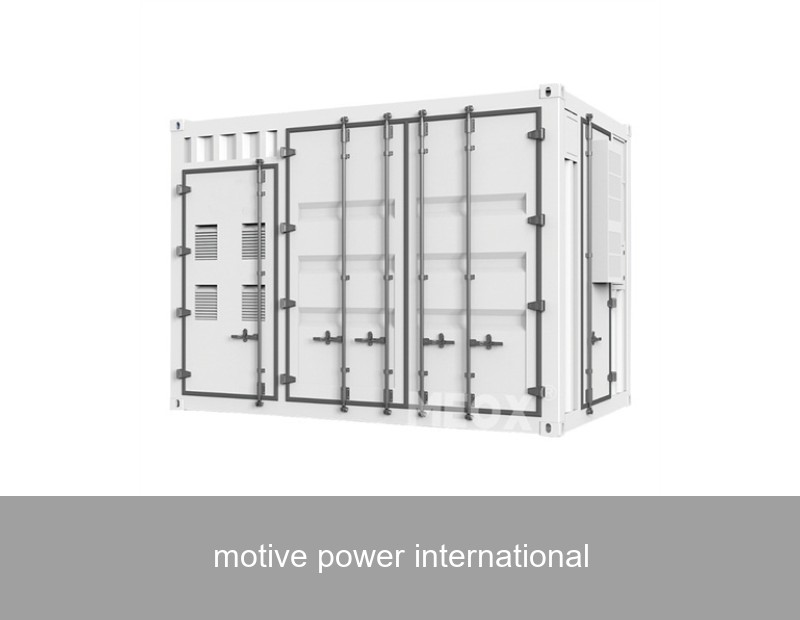
- The Core Innovation: A containerized Battery Energy Storage System (BESS) to act as the central "energy hub."
Here's where the magic happened. The BESS, like the Highjoule H-Cube, was programmed for intelligent energy management. It stores excess solar energy generated during the day. Instead of drawing expensive power from the grid during peak evening shifts when solar production drops, the facility runs the forklift charging stations and base load directly from the BESS. The system also performs peak shaving, automatically discharging to cap the facility's grid power draw at a predefined level.
- Energy Cost Reduction: A 40% decrease in peak demand charges and a 25% reduction in overall electricity costs.
- Carbon Reduction: Achieved 60% of their 5-year CO2 target in the first year.
- Operational Uptime: Eliminated battery swap delays, increasing fleet availability by an estimated 15%.
This case exemplifies the modern motive power international strategy: it's no longer just about the vehicle, but about the entire ecosystem of energy that powers it.
The Heart of the Matter: Battery Technology Evolution
At the core of this shift is the battery itself. The move from Lead-Acid to Lithium-ion (Li-ion) is just the first step. Not all Li-ion is created equal. Chemistry matters—Lithium Iron Phosphate (LFP) is now the dominant chemistry for industrial motive power due to its superior safety, longer cycle life, and stability, even if its energy density is slightly lower than other types.
More critically, the Battery Management System (BMS) is what transforms a pack of cells into a smart, reliable asset. A best-in-class BMS provides:
- Cell-Level Monitoring: Ensures balance and prevents dangerous conditions.
- State-of-Health (SOH) Tracking: Accurately predicts battery lifespan and maintenance needs.
- Seamless Integration: Communicates with chargers, fleet management software, and even the broader building energy management system (BEMS).

Credit: Photo by American Public Power Association on Unsplash - The BMS is the brain of a modern industrial battery system.
Highjoule's Role in Powering the Future of Industry
This is precisely the challenge Highjoule was founded to solve in 2005. We don't just supply batteries; we provide integrated, intelligent energy storage solutions that serve as the foundational power layer for modern industrial operations. For the motive power international sector, our systems are designed to be the reliable, clean heart of your material handling ecosystem.
Our H-Series industrial BESS products, for example, are engineered for the toughest environments. They can be seamlessly paired with on-site solar to charge your electric fleet with self-generated green power. Our advanced energy management software allows you to set strategies for peak shaving, time-of-use optimization, and backup power, ensuring your motive power operations are both cost-effective and resilient.
For larger-scale deployments like microgrids for ports or manufacturing campuses, Highjoule's containerized solutions offer megawatt-scale storage. This allows entire fleets of heavy equipment—from AGVs to electric trucks—to be powered by a centralized, managed, and sustainable energy asset, truly elevating "motive power" to a strategic, board-level advantage. Learn more about our approach to vehicle electrification basics from the U.S. Department of Energy.
How to Future-Proof Your Motive Power Operations
So, where do you start? The transition can seem daunting, but a phased approach is key.
- Conduct an Energy Audit: Understand your current fleet's energy consumption, peak demand patterns, and associated costs.
- Pilot a Project: Start with a defined area, like a single warehouse shift or a portion of your fleet. Integrate a small BESS with your existing charging infrastructure to measure real-world savings.
- Plan for Integration: Choose partners whose systems are built for openness and can communicate with your future solar installation and building management systems.
- Think in Terms of TCO, Not Just Upfront Cost: The higher initial investment in advanced lithium-ion and a BESS pays back multiples over its lifespan through energy savings, reduced maintenance, and operational gains.
The global standard for motive power is being rewritten. It's becoming cleaner, smarter, and more integrated. The question for international operations is no longer if they will make this transition, but how quickly and how strategically they will do it to gain a competitive edge.
What's the single biggest energy challenge you're facing in your industrial operations today, and how do you see a smarter energy storage system helping to solve it?
 Inquiry
 Online Chat