


Unlocking Namibia's Potential: Your Guide to Reliable Solar Solutions and the Right Contact
vast, sun-drenched landscapes stretching as far as the eye can see, with some of the highest solar irradiance levels on the planet. Namibia is a country literally bathed in energy potential. Yet, for businesses, lodges, and communities, this abundance often feels just out of reach. The search for a dependable Namibia solar solution contact number is more than just a quest for a supplier; it's a search for a partner who can turn this radiant promise into 24/7 reliable power. This gap between immense solar resources and practical, consistent electricity is the challenge we'll address, exploring why modern solutions require more than just panels and how to connect with expertise that delivers true energy independence.
The Namibian Sun Paradox
Namibia boasts an astonishing solar resource, with average daily solar radiation levels between 5-7 kWh/m². To put that in perspective, that's nearly double the average of many European countries. The potential for solar photovoltaic (PV) power generation is, frankly, extraordinary. However, the nation's electricity grid faces challenges with reach, stability, and capacity. Many remote tourism lodges, mining operations, and agricultural enterprises cannot rely solely on the national grid. This creates a paradox: being rich in sun yet struggling with power security and cost. The immediate instinct is to install solar panels, but anyone who has operated in Namibia knows the sun sets, and clouds occasionally appear. This variability is the core problem that a simple PV setup cannot solve.
Why Solar Alone Isn't the Answer
A solar array without storage is like a reservoir with a hole in the bottom—it only provides water when the sun is shining. For critical operations, this isn't feasible. Key pain points include:
- Unpredictable Power Supply: Operations halt at dusk, affecting productivity and security.
- Grid Instability: Even when connected, voltage fluctuations and outages can damage sensitive equipment.
- Diesel Dependency: Many sites run expensive, noisy, and polluting diesel generators as backup, eroding the economic and environmental benefits of solar.
- Wasted Energy: Excess solar energy generated at midday is often lost without a way to store it.
The solution isn't just more panels; it's about intelligently managing the energy you capture. This is where advanced battery energy storage systems (BESS) become non-negotiable.
The Missing Piece: Intelligent Energy Storage
An integrated solar-plus-storage system captures the sun's bounty and dispatches it on demand. Think of it as your personal, programmable power plant. The battery system acts as the heart, storing DC electricity from the panels. A sophisticated inverter and energy management system (EMS) act as the brain, converting it to AC power and deciding when to charge, store, or discharge based on consumption patterns, grid status, and cost algorithms. This transforms an intermittent source into a firm, dispatchable one. For regions like Namibia with high grid tariffs or unreliable infrastructure, the financial payback can be compelling, often within a few years, while providing unparalleled operational resilience.
Case Study: Powering a Lodge Sustainably
Consider a remote safari lodge in the Kunene Region. Their challenge was quintessential: reliant on costly diesel generators (consuming over 40,000 liters annually) with solar panels that only reduced daytime generator hours. Their goal was 95% renewable energy penetration and near-silent operation to preserve the guest experience and environment.
The implemented solution featured a 120 kWp solar PV array coupled with a 240 kWh lithium-ion battery storage system, managed by an advanced hybrid inverter and EMS. The results were transformative:
| Metric | Before Solution | After Solution |
|---|---|---|
| Diesel Consumption | ~40,000 L/year | < 5,000 L/year |
| Daily Hours on Generator | 18-24 hours | 1-2 hours (maintenance buffer) |
| Energy Cost per kWh | ~NAD 3.50 | ~NAD 1.20 |
| Carbon Footprint | ~107 tonnes CO2e/year | ~13 tonnes CO2e/year |
This project, completed by a partner using Highjoule's integrated storage technology, demonstrates the tangible impact. The lodge now enjoys predictable energy costs, a massive reduction in noise and air pollution, and a powerful sustainability story for its guests. International Renewable Energy Agency (IRENA) highlights such hybrid systems as key for Africa's energy transition.

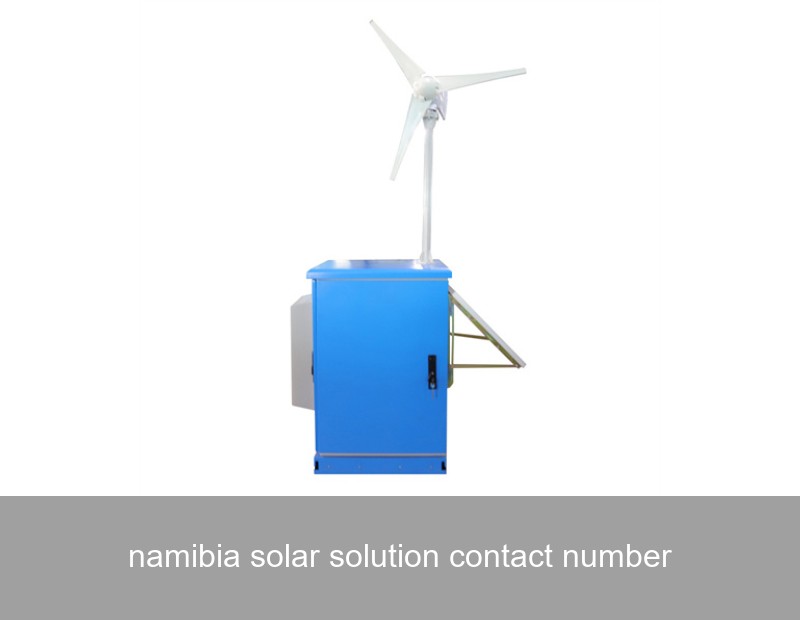
Integrated solar and storage solutions can transform operations in remote locations. (Image for representation)
Highjoule: Your Global Partner for Namibia Solar Solutions
This is where Highjoule's nearly two decades of expertise becomes relevant. Since 2005, we have been at the forefront of advanced energy storage, providing intelligent, efficient, and sustainable power solutions globally. We understand that a Namibia solar solution contact number should connect you to deep system design expertise, not just component sales. For the Namibian market, with its unique climate and operational challenges, we support a network of certified local partners by providing:
- Highjoule HPS Series Commercial & Industrial (C&I) Energy Storage Systems: Containerized and modular solutions designed for rugged environments, featuring liquid cooling for optimal performance in high temperatures and integrated safety management.
- Advanced Energy Management Software (EMS): The brain of the operation, enabling peak shaving, load shifting, and generator optimization to maximize ROI and reliability.
- Technical Design & Support: Our engineering teams work with local installers to design systems tailored to Namibia's specific solar profile and load requirements, ensuring durability and performance.
We don't just sell hardware; we enable our partners to deliver turnkey power resilience. Research in Renewable and Sustainable Energy Reviews confirms that system design and technology choice are critical for economic viability in such applications.
Key Components of a Resilient Solar Solution
When you make that call, ensure your potential provider addresses this full ecosystem:
- High-Efficiency, Tier-1 Solar Panels: Resilient to high UV and occasional sandstorms.
- Lithium-Ion Phosphate (LFP) Battery Storage: The preferred technology for safety, long cycle life (often 6,000+ cycles), and performance in warmer climates. This is core to Highjoule's product philosophy.
- Hybrid Inverters: Capable of seamlessly integrating solar, battery, grid, and generator sources.
- Energy Management System (EMS): Intelligent software for control, monitoring, and optimization.
- Professional Installation & Commissioning: Done by certified technicians following international and local standards.
- Long-Term Service & Monitoring: Remote monitoring capabilities for proactive maintenance, a service layer Highjoule provides to its partners.
Modern, containerized battery storage systems provide safe and scalable power. (Image for representation)
Finding the Right Namibia Solar Solution Contact Number
So, how do you find a competent partner? Look for companies that showcase completed projects with detailed case studies (like the lodge example above). They should ask in-depth questions about your load profile, generator usage, and operational goals. A reputable provider will discuss Total Cost of Ownership (TCO) over 10+ years, not just the upfront installation price. They should be transparent about the technology brands they use and the support structure behind them.
While Highjoule operates globally, we collaborate with select, vetted integration partners in key regions. For inquiries regarding solar and storage solutions in Namibia and to be connected with local expertise, the best point of contact is through our dedicated regional business development teams who understand the African energy landscape. Initiating this conversation equips you with the right questions and expectations, whether you eventually engage with a Highjoule-enabled partner or another qualified firm. The World Bank's energy access reports often stress the importance of quality standards and after-sales service in ensuring project longevity.
Your journey to energy independence in Namibia begins with a conversation, but not just any conversation. What specific energy challenge is currently limiting the growth or sustainability of your operation, and what would solving it enable you to achieve?
 Inquiry
 Online Chat