


Off-Grid Solar System with Grid Backup: Your Ultimate Guide to Energy Independence and Security
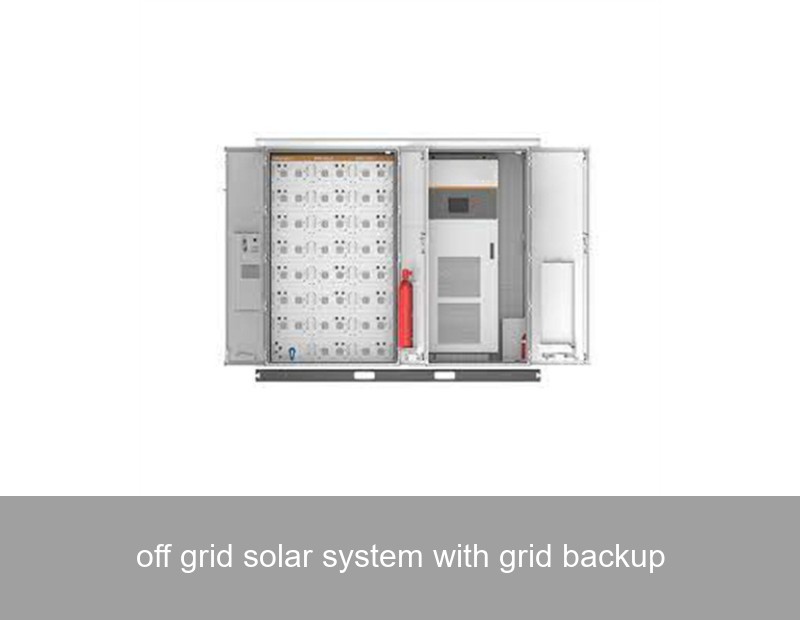
Imagine a power system that gives you the freedom of living off the grid, with the peace of mind that comes from knowing you have a reliable safety net. This isn't a futuristic dream; it's the practical reality offered by a modern off-grid solar system with grid backup. For homeowners and business owners across Europe and the US, this setup is rapidly becoming the gold standard for energy resilience. It masterfully blends the self-sufficiency of solar with the security of the utility grid, creating a hybrid solution that ensures your lights stay on, come rain, shine, or unforeseen grid outages.
At its core, this system is designed for those who seek independence but aren't willing to compromise on reliability. You generate and store your own clean energy, but instead of a traditional generator as a last resort, you have the grid itself as your backup. This clever configuration offers a compelling answer to growing concerns about climate-related grid instability, rising electricity costs, and the desire for a sustainable lifestyle.
Key Components: How Does This System Work?
Understanding the anatomy of this system demystifies its magic. Unlike a simple grid-tied setup that shuts down during a blackout, or a pure off-grid system that relies solely on batteries and a generator, the off-grid-with-grid-backup model is intelligent and dynamic. Here are its essential parts:
- Solar Panels: Your primary energy harvesters, converting sunlight into direct current (DC) electricity.
- Hybrid Inverter: The true brain of the operation. This critical device does three jobs: it converts DC from panels/batteries to usable AC for your home; it manages battery charging (from solar or the grid); and it seamlessly switches between power sources.
- Battery Storage System (BESS): Your personal energy reservoir. High-capacity lithium-ion batteries, like those in Highjoule's H-PowerStack series, store excess solar energy for use at night or during cloudy days.
- Grid Connection with Smart Metering: This is your backup lifeline. The system is connected to the public grid, but through a configuration that allows it to draw power only when necessary—for example, during prolonged bad weather or to top up batteries at a low-cost, off-peak rate.
- Energy Management System (EMS): The intelligent software that optimizes every kilowatt-hour. It decides, based on your settings, weather forecasts, and tariff rates, whether to power your home from solar, battery, or grid, maximizing savings and efficiency.
| Condition | Primary Power Source | Backup Source | Grid Role |
|---|---|---|---|
| Sunny Day | Solar Panels (excess charges battery) | Battery Storage | Standby / No Import |
| Nighttime | Battery Storage | Grid (if battery low) | Backup Charger |
| Grid Outage | Solar Panels + Battery | None (System operates in "island mode") | Disconnected |
| Extended Bad Weather | Battery Storage | Grid Import | Primary Backup |
Why Consider This System? The Data Speaks for Itself
The trend is clear. The U.S. Energy Information Administration (EIA) reports that the average U.S. electricity customer experienced just over eight hours of power interruptions in 2022, with major events playing a significant role. In Europe, energy security has moved to the forefront of policy and personal planning. This data points to a simple conclusion: relying solely on one source of power is a growing risk.
An off-grid solar system with grid backup directly addresses this vulnerability. Let's break down the benefits:
- Unmatched Resilience: Your essential loads remain powered during grid failures. The transition from grid to "island mode" is instantaneous, often within milliseconds.
- Financial Control: You dramatically reduce your electricity bill by consuming your own solar energy. The grid acts as a "virtual battery" you can use strategically, potentially importing power during cheap, off-peak periods to save your solar battery cycles.
- Sustainability Maximized: You maximize the use of your renewable generation, reducing your carbon footprint. The system ensures no solar energy goes to waste—any excess charges your batteries first.
- Future-Proofing: With the ability to manage energy flows intelligently, you are perfectly positioned to take advantage of future smart grid initiatives and dynamic energy pricing models.

Image Source: Unsplash (Representative image of a modern solar and storage installation)
Real-World Case Study: A Californian Winery Secures Its Future
Let's look at a concrete example. A premium winery in Sonoma County, California, faced a critical challenge. Wildfire-related Public Safety Power Shutoffs (PSPS) and general grid instability threatened their temperature-sensitive fermentation tanks and cold storage. A multi-day outage could ruin an entire vintage, representing a financial loss in the hundreds of thousands of dollars.
Their solution was a robust off-grid solar system with grid backup. The installation featured a 250 kW solar array coupled with a 500 kWh containerized battery storage system and intelligent energy management. Highjoule's C&I PowerPack solution was selected for its robust thermal management and high-cycle life, crucial for the winery's demanding backup needs.
The results after one year were compelling:
- 100% Uptime for critical processes, despite 4 recorded grid outages totaling 52 hours.
- 42% Reduction in annual electricity costs from grid consumption, thanks to solar self-consumption and strategic battery use during peak rate periods.
- ROI Projection: The system is on track to pay for itself in under 7 years, factoring in energy savings, available incentives, and the avoided cost of potential lost inventory.
This case isn't unique; it's a blueprint for farms, remote clinics, small businesses, and homes in areas prone to extreme weather or with unreliable grid infrastructure.
Highjoule's Intelligent Solutions for Uninterrupted Power
As a global leader in advanced energy storage since 2005, Highjoule understands that a reliable off-grid solar system with grid backup is more than just hardware—it's an integrated, intelligent ecosystem. Our products are engineered to provide the seamless, secure, and sustainable power that modern energy users demand.
For residential applications, our H-EnergyHub is a complete, all-in-one unit combining a hybrid inverter, scalable lithium-ion battery storage (our H-PowerStack modules), and advanced EMS in a single, sleek enclosure. Its intuitive app allows homeowners to set preferences—like "maximize self-consumption" or "prepare for storm backup"—and the system executes automatically.
For commercial and industrial clients, like the winery in our case study, Highjoule offers customized PowerPack solutions. These scalable, containerized or rack-mounted BESS units integrate seamlessly with large-scale solar arrays and complex site loads. Our proprietary JouleMind AI platform provides fleet-level energy management, predictive grid interaction, and detailed analytics to optimize operational expenditure (OpEx).
Image Source: Unsplash (Representative image of an industrial battery storage system)
Planning Your System: A Step-by-Step Guide
Considering such a system? Here's a logical approach to planning:
- Energy Audit: Determine your critical and total load. How much energy do you use daily, and what must stay on during an outage? This defines the size of your solar array and battery bank.
- Site Assessment: A professional will evaluate your roof space, solar exposure, and electrical panel to design an optimal system.
- Product Selection: Choose components designed to work together. Highjoule's integrated systems ensure compatibility and maximize performance and safety.
- Financial & Incentive Analysis: Explore available incentives. In the US, the Residential Clean Energy Credit can significantly offset costs. In Europe, various national and EU-level programs exist.
- Professional Installation & Commissioning: This is crucial for safety, performance, and warranty compliance. Work with a certified Highjoule partner.
The Future of Energy Independence
The evolution of the off-grid solar system with grid backup is intertwined with the development of virtual power plants (VPPs) and peer-to-peer energy trading. Imagine your system not just protecting you, but also allowing you to support community grid stability by supplying stored power during peak demand—all automatically and for financial reward. This proactive energy citizenship is the next frontier.
So, as you think about securing your own power supply, what role do you see your home or business playing in the wider, smarter energy network of tomorrow? Is your current energy setup ready to meet that future?
 Inquiry
 Online Chat