


How Partnering with a National Solar Power Company Can Unlock Your Energy Independence
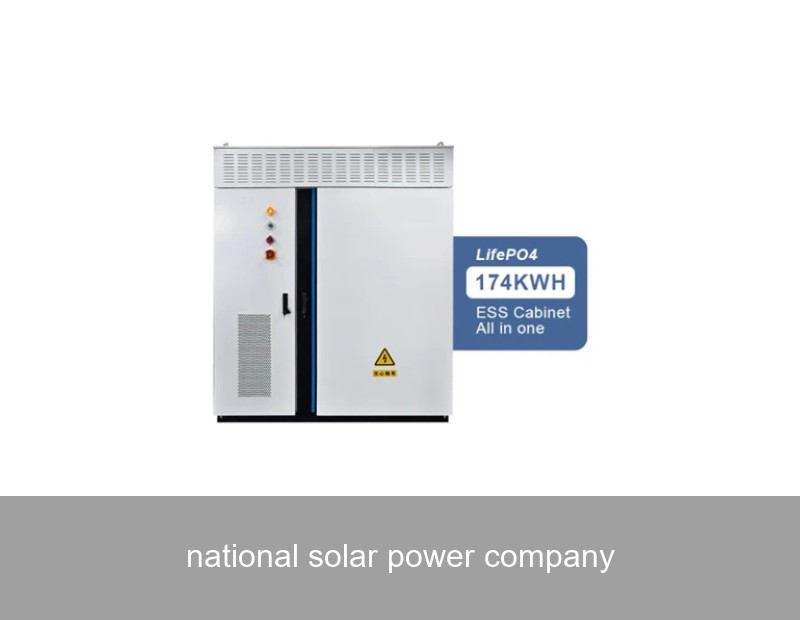
Imagine a future where your business or community isn't at the mercy of volatile energy prices or grid instability. This isn't a distant dream; it's a tangible reality being built today through strategic partnerships with national solar power companies. These large-scale players are doing more than just installing panels—they are engineering comprehensive energy ecosystems. And at the heart of these modern systems lies a critical component: advanced energy storage. Let's explore why the collaboration between solar providers and cutting-edge storage specialists is the key to a resilient and profitable energy future.
Table of Contents
The Phenomenon: Solar's Intermittency Challenge
Any national solar power company will tell you the sun's greatest gift is also its main limitation: it doesn't shine 24/7. This creates a mismatch. Solar generation peaks in the middle of the day, but energy demand often peaks in the early morning and evening. Without a way to capture the surplus, that valuable, clean energy is simply wasted. Furthermore, this intermittency can strain the traditional grid, leading to curtailment requests and lost revenue for solar operators.
This challenge is particularly acute for commercial and industrial (C&I) entities. They commit to solar to reduce costs and carbon footprint, but if they can't use the power when they need it most, their return on investment shrinks. The solution? Moving from a solar-only system to an integrated solar-plus-storage solution. This transforms a variable power source into a dependable, dispatchable asset.
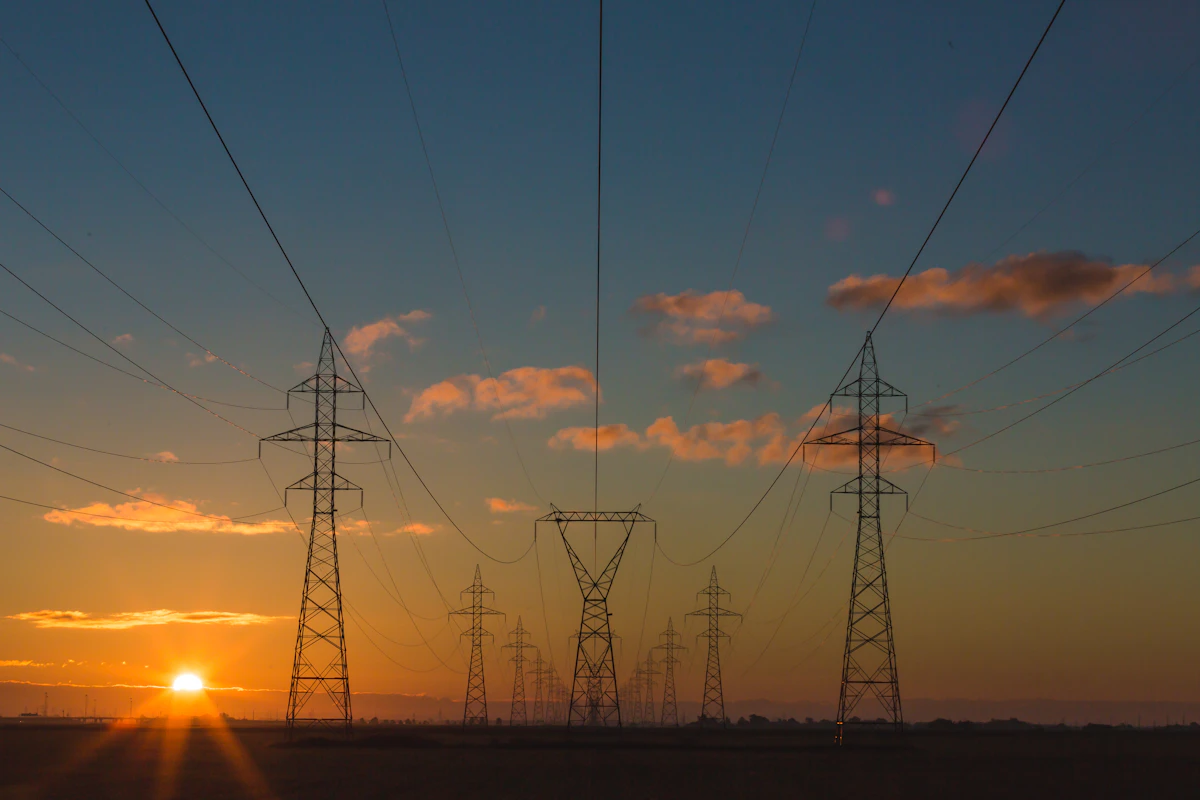
Image: A modern solar farm. The next step is storing its abundant daytime energy. Credit: Unsplash.
The Data: Why Storage is No Longer Optional
The numbers paint a compelling picture. According to the U.S. Department of Energy's Solar Futures Study, achieving decarbonization goals will require solar to provide up to 40% of the nation's electricity by 2035. A significant portion of this will need to be paired with storage. In Europe, driven by both policy and price security needs, the energy storage market is forecast to grow exponentially.
Let's break down the tangible benefits that a national solar power company can deliver with integrated storage:
| Benefit | Impact for Business/Community | Financial Outcome |
|---|---|---|
| Energy Time-Shifting (Arbitrage) | Store cheap solar energy at noon, use it during expensive peak rates. | Direct reduction in utility bills (often 20-40%). |
| Demand Charge Reduction | Use stored energy to smooth out peak power draws from the grid. | Can slash a major line item on C&I electricity bills. |
| Backup Power & Resilience | Provide critical power during grid outages. | Avoids operational downtime, data loss, and revenue interruption. |
| Grid Services | Support grid stability through frequency regulation. | Creates a new revenue stream by selling services to the grid operator. |
As you can see, adding storage isn't just an added cost—it's a value multiplier for the solar installation.
The Case Study: A European Industrial Park's Transformation
Let's look at a real-world example. A major manufacturing park in Northern Germany partnered with a leading national solar power company to achieve energy autonomy. The park had a 5 MW rooftop solar array but was still exposed to high grid prices and occasional brownouts.
The Challenge: Maximize self-consumption of solar, eliminate demand charges, and ensure uninterrupted production.
The Solution: The solar provider selected and integrated Highjoule's H-Series Commercial Battery System. This wasn't just a simple battery bank. The system features:
- Scalable Architecture: A 2.5 MWh capacity, modular design allowing for future expansion.
- AI-Powered Energy Management System (EMS): The brain of the operation, predicting solar production and energy consumption patterns to optimize charge/discharge cycles for maximum financial return.
- Grid-Forming Capability: The ability to "island" the industrial park, creating a stable microgrid during wider grid failures.
The Results (12 Months Post-Installation):
- Self-Consumption of Solar: Increased from 35% to over 85%.
- Demand Charges: Reduced by 68%.
- Overall Energy Costs: Lowered by 42%.
- Resilience: Successfully rode through two grid disturbances with zero production loss.
This case, documented in a report by the Fraunhofer Institute for Solar Energy Systems, exemplifies the synergy between a solar provider's scale and a storage expert's technological depth.
The Intelligent Core: Highjoule's Role in Empowering Solar Partners
For a national solar power company to deliver such results consistently, they need a storage partner that offers more than just hardware. This is where Highjoule's decade-plus of specialization comes into play. We provide the intelligent storage backbone that turns a solar project into a smart, revenue-generating asset.
Our product suite, trusted by installers and developers across the US and Europe, includes:
- H-Series Commercial & Industrial (C&I) Systems: High-density, containerized or rack-mounted solutions designed for heavy-duty cycling and maximum ROI.
- Residential PowerHub: A sleek, all-in-one unit for homeowners that integrates seamlessly with new or existing solar, managed via an intuitive app.
- Microgrid Controller: The software platform that allows solar + storage systems to operate independently or in concert with the main grid, a crucial tool for community resilience projects.
Our technology is built on a foundation of safety, longevity, and intelligent software. We understand that our systems must work flawlessly for decades, providing peace of mind to the solar company and the end-customer alike.

Image: Advanced battery storage systems are the key to unlocking solar's full potential. Credit: Unsplash.
The Future: Your Energy Independence Blueprint
The partnership model is clear. A national solar power company brings vast project management expertise, customer networks, and solar technology knowledge. By partnering with a focused storage expert like Highjoule, they gain a technological edge—delivering a superior, future-proofed product to their clients. This collaboration is accelerating the transition from energy consumers to proactive "prosumers."
Whether you're a business owner considering a solar proposal, a municipality planning a community microgrid, or a solar developer evaluating storage partners, the question is no longer *if* storage is needed, but *how* to implement it most effectively.
 Inquiry
 Online Chat