


Off-Grid Solar Energy Storage Cabinet UK: Your Complete Guide to Energy Independence
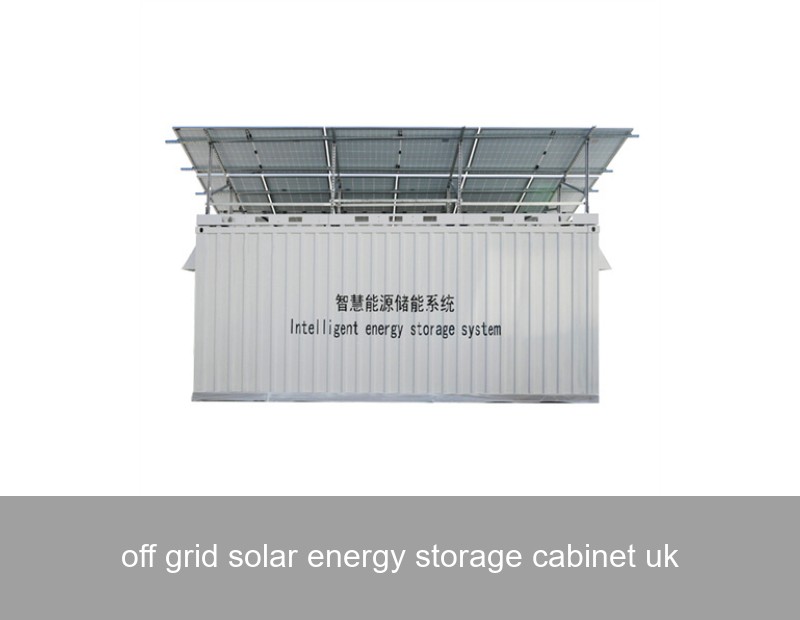
Imagine a remote farmhouse in the Scottish Highlands or a coastal retreat in Cornwall, completely free from the grid. No power bills, no outages, just clean, reliable electricity. This is the promise of off-grid living, and at its heart lies a critical piece of technology: the off-grid solar energy storage cabinet. For UK homeowners, businesses, and communities seeking true energy autonomy, this isn't just a battery box; it's the command centre for a personal power station. In this guide, we'll demystify these systems, explore why they're gaining traction across the UK, and show you how the right technology makes all the difference between mere backup and genuine independence.
Table of Contents
- What is an Off-Grid Solar Energy Storage Cabinet?
- Why is Off-Grid Solar & Storage Booming in the UK?
- Key Components of a Robust Off-Grid System
- Real-World Success: A UK Case Study
- Choosing the Right Energy Storage Cabinet
- Highjoule's Role in UK Energy Independence
- The Future of Off-Grid Power in the UK
What is an Off-Grid Solar Energy Storage Cabinet?
Let's break it down. An off-grid solar energy storage cabinet is a fully integrated unit that houses the brains and brawn of a standalone power system. Unlike a simple battery added to a grid-tied home, this cabinet is designed for systems that have no physical connection to the national electricity grid. It typically integrates battery modules, a battery management system (BMS), an inverter/charger, and cooling and safety systems into one robust, often weatherproof, enclosure.
Think of it this way: your solar panels are the generators, creating power when the sun shines. The storage cabinet is the bank and the manager—it stores the surplus energy efficiently and then intelligently dispatches it exactly when you need it, day or night, rain or shine. For locations in the UK where grid connection is prohibitively expensive (quotes can easily exceed £20,000) or simply unavailable, this cabinet becomes the foundation of the entire energy setup.
Why is Off-Grid Solar & Storage Booming in the UK?
The trend towards off-grid solutions in the UK is driven by a powerful combination of necessity and aspiration.
The Push Factors: Cost and Reliability
Connecting a new build or remote property to the grid can be astronomically costly, especially in rural Wales, Scotland, or the South West. Furthermore, even grid-connected areas face increasing volatility. Ofgem reports that the average duration of power interruptions, though varying, can significantly impact rural businesses. This fragility pushes many to seek self-reliance.
The Pull Factors: Sustainability and Tech Advances
Simultaneously, the desire to reduce carbon footprints is stronger than ever. Coupled with dramatic improvements in battery technology—specifically the rise of Lithium Iron Phosphate (LFP) chemistry offering longer life, better safety, and falling prices—off-grid systems have become a viable and attractive long-term investment. It's a move from vulnerability to resilience.

Image Source: Unsplash - Representative image of a modern off-grid property.
Key Components of a Robust Off-Grid System
A reliable off-grid system is more than panels and a battery. It's a symphony of components working in unison.
- Solar PV Array: The primary fuel source, sized to generate enough energy year-round, even in the UK's winter months.
- Off-Grid Solar Energy Storage Cabinet: The core unit. A high-quality cabinet like those from Highjoule doesn't just contain batteries; it ensures they operate at peak efficiency and safety with integrated thermal management and advanced monitoring.
- Inverter/Charger: Converts DC solar/battery power to AC for your appliances and can use a backup generator (if present) to charge the batteries.
- Backup Generator (Optional): A diesel, LPG, or biofuel generator for extended periods of low solar irradiance.
- Energy Management System (EMS): The software intelligence that prioritises loads and optimises charging cycles to maximise system lifespan.
| Component | Primary Role | Key Consideration for UK Climate |
|---|---|---|
| Solar Panels | Energy Generation | High efficiency in low-light conditions |
| Storage Cabinet | Energy Storage & Management | Wide operating temperature range, corrosion resistance |
| Inverter | Power Conversion | Pure sine wave output for sensitive electronics, high surge capacity |
Real-World Success: A UK Case Study
Let's look at a tangible example. A working livestock farm in North Yorkshire needed a reliable power source for its new automated feeding systems, water pumping, and farm office. The quote to extend the grid was over £28,000. They opted for an off-grid solution.
- System Installed: 24kW solar array, a 40kWh integrated off-grid energy storage cabinet (using LFP batteries), and a 15kW inverter/charger.
- Outcome: The system now meets 100% of the farm's annual energy needs. During the summer surplus, it powers electric fencing and charges farm vehicles. Crucially, the automated systems run uninterrupted, improving operational efficiency.
- Data Point: Monitoring data showed the system maintained a minimum state of charge of 60% even during the shortest days of December, proving its year-round viability. The farmer estimated a return on investment in under 7 years, compared to the sunk cost of a grid connection, highlighting the financial logic of modern off-grid tech.
Choosing the Right Energy Storage Cabinet: What to Look For
Not all cabinets are created equal. For a life-critical application like off-grid power, the storage unit must be supremely reliable.
Non-Negotiable Features:
- Battery Chemistry: Lithium Iron Phosphate (LFP) is the industry standard for safety (thermal stability) and long cycle life (6,000+ cycles).
- Integrated Battery Management System (BMS): A must-have for cell balancing, temperature monitoring, and preventing over/under-charging.
- Robust Enclosure & Thermal Management: The UK's damp, variable climate demands an IP54 rating or higher and active cooling/heating to keep batteries in their ideal 15-25°C operating range.
- Scalability: Can you easily add more battery modules later if your needs grow?
The Highjoule Difference in Off-Grid Solutions
At Highjoule, we've engineered our HES Series Off-Grid Energy Storage Cabinets specifically for the demands of permanent, reliable off-grid living. Our cabinets are more than containers; they are all-in-one power hubs. They feature:
- Modular LFP battery packs for easy capacity expansion.
- An advanced, self-learning EMS that optimises for weather forecasts, ensuring power is reserved for coming cloudy days.
- Remote monitoring and control via a user-friendly app, giving you peace of mind from anywhere.
- Seamless integration with a range of compatible inverters and generators, offering true plug-and-play installation for system integrators across the UK.

Image Source: Unsplash - Technician working on a residential energy storage system.
Highjoule's Role in Empowering UK Energy Independence
Our mission aligns perfectly with the growing off-grid movement in the UK: to provide intelligent, efficient, and sustainable power solutions. We understand that an off-grid system is a long-term commitment. That's why our products are built with durability and smart management at their core. We support a network of certified installers across the UK and Europe, ensuring that every HES Series cabinet is installed to the highest standards and backed by comprehensive warranties and local technical support. Whether it's a single-family home, an agricultural business, or a remote micro-grid for a small community, Highjoule provides the reliable storage foundation that makes true independence possible.
The Future of Off-Grid Power in the UK
The landscape is evolving rapidly. We're seeing the convergence of off-grid technology with smart home automation and even electric vehicle charging, creating self-sustaining ecosystems. The next generation of systems will be even more intelligent, potentially integrating AI to predict usage patterns and renewable generation with incredible accuracy. The UK's ambitious net-zero targets will only accelerate innovation and adoption in this sector, making off-grid living not just an alternative for the remote few, but a conscious, viable choice for many more.
So, as you contemplate breaking free from the grid, ask yourself this: Is your goal simply to have backup power, or is it to build a resilient, self-sufficient energy future for your property? What would true energy independence enable you to do or build, that currently feels out of reach?
 Inquiry
 Online Chat