


Residential Solar Systems in South Africa: Powering Your Home Through Sun and Load Shedding
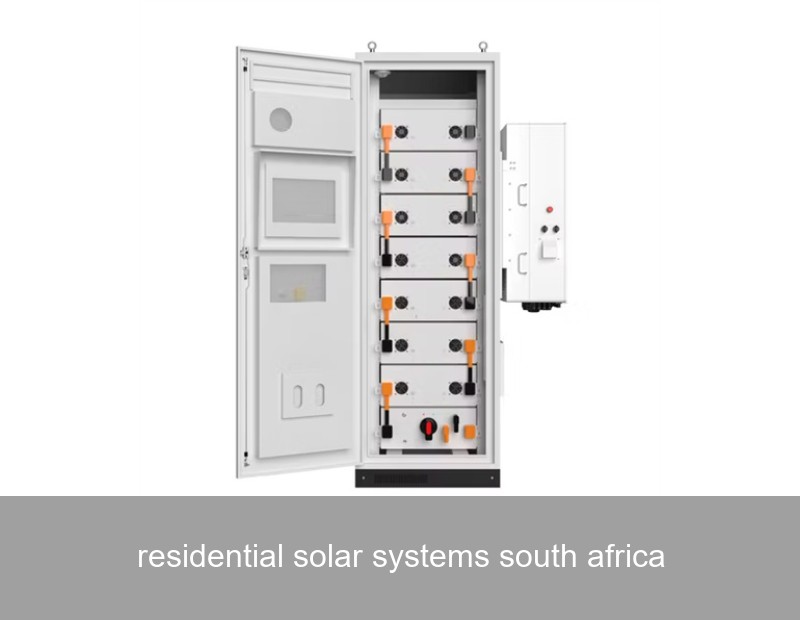
Imagine this: you're in the middle of preparing dinner, the kids are doing homework online, and suddenly, the lights go out. Load shedding has struck again. For millions of South Africans, this isn't a hypothetical scenario; it's a recurring reality. But what if your home could not only generate its own clean electricity from the abundant African sun but also store it for use when the grid goes dark? This is the powerful promise of modern residential solar systems in South Africa. Moving beyond simple panels, today's solutions integrate smart solar generation with advanced battery storage, creating a resilient, independent, and cost-effective energy ecosystem for the home. As a global leader in advanced energy storage, Highjoule has been at the forefront of this evolution since 2005, developing intelligent systems that make solar power reliable 24/7, from Johannesburg's suburbs to coastal homes in Cape Town.
Table of Contents
- The Phenomenon: More Than Just Sunlight
- The Data: Quantifying the Solar Surge
- A Cape Town Case Study: From Vulnerability to Energy Independence
- Anatomy of a Modern Residential Solar System
- Highjoule's Role: The Intelligent Core of Your Solar System
- Making the Switch: Key Considerations for South African Homes
The Phenomenon: More Than Just Sunlight
The drive for residential solar in South Africa is unique. It's not solely motivated by environmental consciousness or long-term savings, though those are significant benefits. The primary catalyst is energy security. With Eskom's ongoing load shedding schedules, homeowners are seeking autonomy from the national grid. A standard grid-tied solar system without batteries will shut down during a blackout to protect utility workers—leaving you in the dark despite having a sunny roof. This critical limitation has fueled the demand for integrated solar-plus-storage solutions. It's a shift from simply reducing your electricity bill to ensuring your home remains powered, your food stays frozen, and your work and life continue uninterrupted, regardless of the grid's status.
The Data: Quantifying the Solar Surge
The numbers tell a compelling story. According to the Council for Scientific and Industrial Research (CSIR), South Africa added a record 2.6 GW of rooftop solar PV capacity in 2023 alone. To put that in perspective, that's more than the entire generation capacity of a major power station like Kusile (when fully functional). The private investment in rooftop solar now far exceeds public utility expansion. A typical 5kW home solar system with battery storage in South Africa can reduce grid dependence by 70-90%, depending on usage patterns and system design. Financially, with electricity tariffs increasing annually well above inflation, the payback period for a quality system has shortened dramatically, often to between 5-7 years.
Financial & Resilience Impact of a 5kW Solar+Storage System
| Metric | Before System | After System Installation |
|---|---|---|
| Monthly Grid Electricity Cost | R2,500 - R4,000 | R400 - R1,200 |
| Load Shedding Impact | 2-4 hours of total outage per stage | Zero impact on essential loads |
| Carbon Footprint (Annual) | ~5-8 tonnes CO2e | ~1-2 tonnes CO2e |
A Cape Town Case Study: From Vulnerability to Energy Independence
Let's look at a real-world example. The van der Merwe family in Durbanville, Cape Town, faced Stage 4-6 load shedding, disrupting their home-based business and family life. In early 2023, they installed an 8kW solar array paired with a 14kWh Highjoule HES-Series hybrid energy storage system.
 Image Source: Wikimedia Commons (CC BY-SA 4.0) - Representative image of residential solar installation.
- Grid Independence: They achieved 95% reduction in grid consumption during daylight hours and zero downtime during load shedding for essential circuits.
- Financial Return: Their monthly electricity bill dropped from an average of R3,800 to a fixed monthly grid connection fee of approximately R250, saving over R42,000 annually.
- Unexpected Benefit: During a 54-hour grid outage following a storm, their system powered refrigerators, lights, Wi-Fi, and a television continuously, turning a neighborhood crisis into a minor inconvenience.
"The peace of mind is priceless," Mrs. van der Merwe noted. "We're not just saving money; we've taken back control of our basic comfort and productivity."
Anatomy of a Modern Residential Solar System
Understanding the components demystifies the technology. A cutting-edge system is more than just panels on the roof:
- Solar Panels (PV Modules): Capture sunlight and convert it to direct current (DC) electricity. South Africa's high irradiation levels make them exceptionally efficient here.
- Hybrid Inverter: The system's brain. It converts DC from panels into usable AC for your home, manages power flow from the grid, and, crucially, can island your home during a blackout when paired with batteries.
- Battery Energy Storage System (BESS): The heart of resilience. It stores excess solar energy for use at night or during outages. Not all batteries are created equal—their chemistry, management software, and cycle life are critical.
- Energy Management System (EMS): The smart intelligence that optimizes self-consumption, decides when to charge/discharge the battery based on tariffs and usage patterns, and provides you with real-time monitoring via an app.
Highjoule's Role: The Intelligent Core of Your Solar System
This is where Highjoule's nearly two decades of expertise becomes vital. While the panels capture the sun, it's the storage and intelligence that determine true reliability and value. Highjoule specializes in the core of the system: the integrated storage and control solutions.
For the South African residential market, our HES-Series (Home Energy System) is a prime example. It's not just a battery box; it's a pre-integrated unit combining a high-efficiency hybrid inverter, lithium iron phosphate (LiFePO4) batteries known for safety and longevity, and our proprietary Adaptive Grid Logic (AGL) software. AGL constantly learns your home's energy patterns and the load-shedding schedule (via internet connection), pre-charging the battery to optimal levels before a scheduled outage and maximizing solar self-consumption to shield you from tariff hikes.

Our systems are designed for the South African context, with robust thermal management for hotter climates and grid-assist features that provide stable power even during "brownouts" or unstable grid voltage—a common issue during load shedding recovery. We work with a network of certified, vetted installers across South Africa to ensure your system is designed correctly and installed to the highest safety standards.
Why LiFePO4 Batteries Matter for South African Homes
Highjoule exclusively uses Lithium Iron Phosphate chemistry. Compared to older lead-acid or other lithium types, LiFePO4 offers:
- Superior Safety: Highly stable chemistry, resistant to thermal runaway.
- Long Life: Can deliver 6,000+ charge cycles while retaining most capacity, translating to 15+ years of daily use.
- Performance: Can be deeply discharged daily without damage, perfect for getting through long load-shedding slots.
Making the Switch: Key Considerations for South African Homes
Ready to explore your own energy independence journey? Here's a practical roadmap:
- Energy Audit: Review your municipal bill to understand your consumption (kWh) and peak demand. Tools like the Eskom website can provide load shedding info for your area.
- Reputable Partners: Choose an installer accredited by the South African Photovoltaic Industry Association (SAPVIA). They should assess your roof, shading, and electrical board.
- System Sizing: A good provider won't just sell you the biggest system. They'll design one to cover your essential loads during outages and maximize your self-consumption for savings. Oversizing can be as inefficient as undersizing.
- Quality Components: Insist on Tier-1 solar panels and a certified, integrated storage system like Highjoule's. The long-term performance and safety depend on it.
- Municipal Compliance: Ensure your installer handles all necessary grid connection approvals and registration, which is legally required for systems connected to the grid, even partially.
The landscape of residential solar systems in South Africa has matured from a niche luxury to a mainstream necessity for resilience. It represents a powerful personal step towards a stable power supply, while collectively contributing to national energy stability and a cleaner environment.
What would you power first in your home with the certainty of uninterrupted, clean energy from your own roof?
 Inquiry
 Online Chat