


Stocker Électricité Photovoltaïque: The Key to Unlocking True Energy Independence
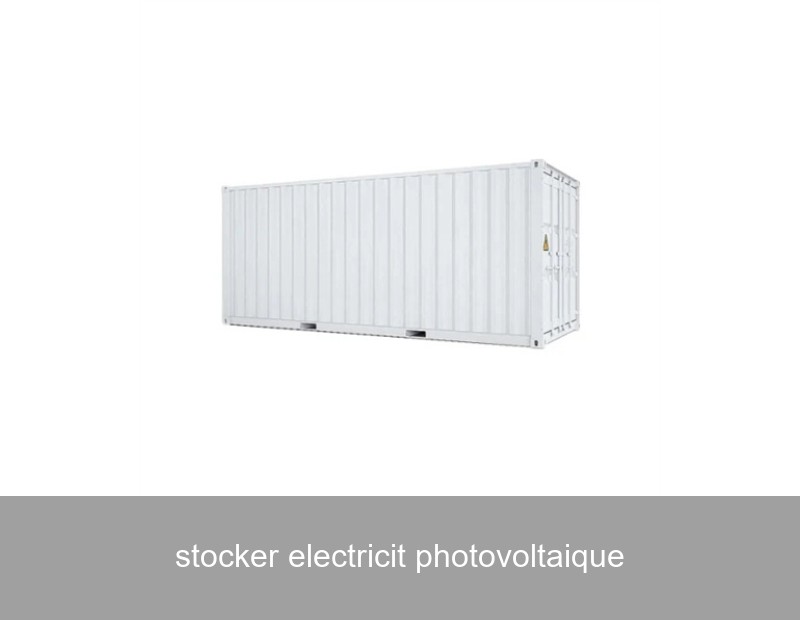
You've made the smart decision to install solar panels. The sun shines, your meter spins backwards, and you feel a surge of green pride. But then evening comes, your panels stop producing, and you're back to buying electricity from the grid at peak rates. This common frustration highlights a critical gap in many renewable setups: the inability to stocker électricité photovoltaïque (store photovoltaic electricity). This isn't just a minor inconvenience; it's the final barrier to true energy self-sufficiency. In this article, we'll explore why storing your solar energy is no longer a luxury but a necessity, how modern battery storage systems work, and the tangible benefits they bring to homes and businesses across Europe and the US.
Table of Contents
- The Challenge: Solar Power's Timing Problem
- The Solution: How Modern Solar Battery Storage Works
- Key Benefits of Storing Your Photovoltaic Electricity
- Choosing the Right System for Your Needs
- The Future of Photovoltaic Storage
The Challenge: Solar Power's Timing Problem
Let's face it: the sun isn't a 9-to-5 employee. Peak solar production happens in the middle of the day, but for most households and businesses, energy demand peaks in the early morning and evening. This creates a fundamental mismatch. Without a way to stocker électricité photovoltaique, excess energy generated at noon is often fed back to the grid for a modest feed-in tariff, only for you to purchase expensive power back a few hours later. This cycle, known as the "duck curve" by grid operators, undermines both your financial savings and your energy resilience. The phenomenon is well-documented. For instance, the U.S. Department of Energy notes that high solar penetration without storage can create significant balancing challenges for the electric grid.
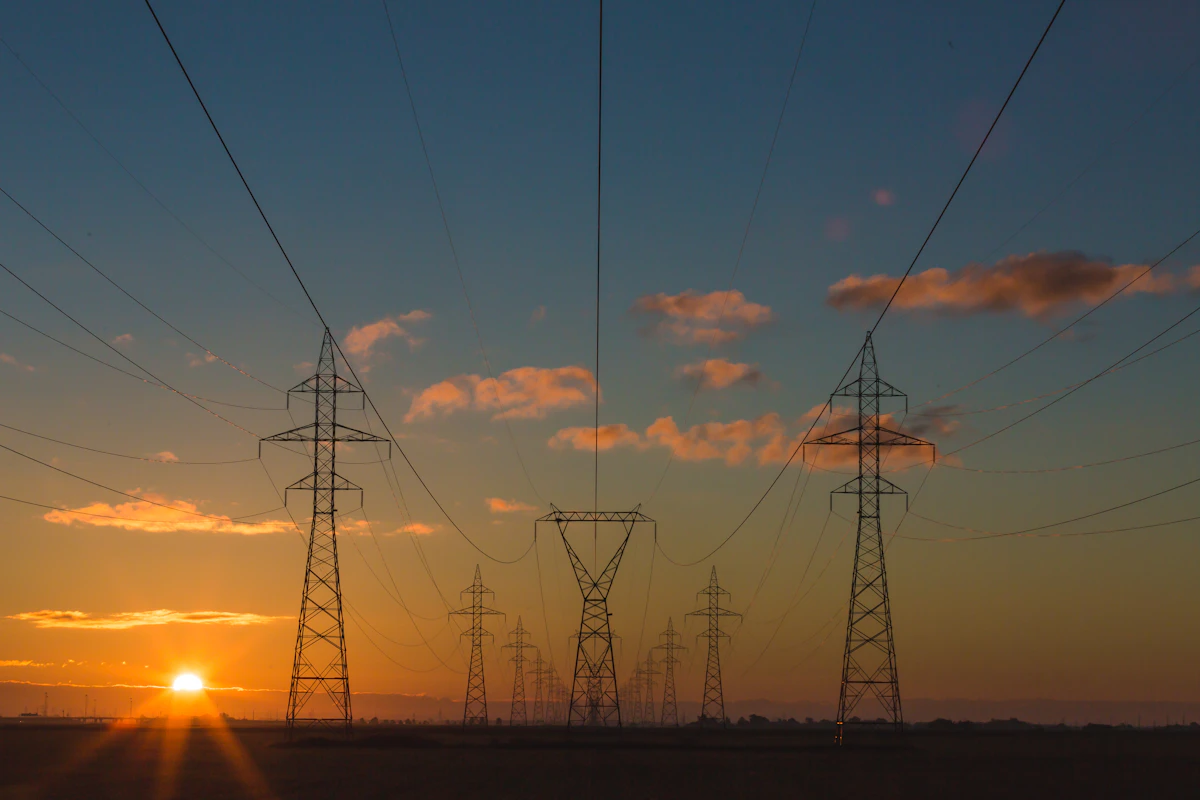
Image Source: Unsplash - Solar production is inherently intermittent.
The Solution: How Modern Solar Battery Storage Works
So, how do we bridge this gap? The answer lies in intelligent battery energy storage systems (BESS). Think of it as a high-tech energy savings account. During the day, your solar panels deposit excess energy into your battery "account." When your panels are underproducing (at night or on cloudy days), you make a withdrawal. Modern systems, like the Highjoule Harmony Home and Highjoule Commercial PowerStack, go far beyond simple charging and discharging. They integrate smart energy management software that learns your consumption patterns, weather forecasts, and even grid electricity rates to optimize when to store, use, or export energy.
At the heart of these systems are Lithium Iron Phosphate (LFP) batteries, chosen for their safety, long lifespan (often over 6,000 cycles), and stability. Paired with a sophisticated inverter and a system controller, they create a seamless energy ecosystem for your property.
Core Components of a Photovoltaic Storage System
- Battery Modules: The physical storage units (typically LFP chemistry).
- Hybrid Inverter: Manages the flow of energy between solar panels, battery, home loads, and the grid.
- Energy Management System (EMS): The brain of the operation, optimizing for self-consumption or cost savings.
- Monitoring Platform: A user-friendly app that provides real-time data on energy production, consumption, and storage levels.
Key Benefits of Storing Your Photovoltaic Electricity
Investing in a system to stocker électricité photovoltaique delivers a compelling return on investment that extends beyond just bill savings.
| Benefit | Impact for Homeowners | Impact for Businesses |
|---|---|---|
| Increased Self-Consumption | Raise solar energy usage from ~30% to 70% or more. | Significantly reduce daytime operational energy costs. |
| Energy Bill Savings | Protect against rising tariffs and time-of-use rates. | Improve operational cost predictability and margins. |
| Backup Power | Keep lights on during grid outages (whole-home or critical loads). | Avoid costly downtime and data loss. |
| Grid Support & Revenue | Potential for virtual power plant (VPP) participation in some regions. | Larger systems can provide grid services, creating a new revenue stream. |
| Sustainability | Maximize your carbon footprint reduction. | Meet corporate ESG (Environmental, Social, and Governance) goals decisively. |
A Real-World Case Study: Berlin Bakery Cuts Costs by 68%
Let's move from theory to practice. A family-run bakery in Berlin, Germany, was facing steep energy costs. They had a 50 kWp rooftop solar system but were only consuming 35% of its output directly, selling the rest at a low feed-in tariff. Their energy bills remained high, especially for early morning baking before sunrise.
In 2023, they partnered with Highjoule to install a tailored Commercial PowerStack 50 system with 100 kWh of storage capacity. The results, monitored over one year, were striking:
- Self-Consumption Rate: Increased from 35% to 89%.
- Energy Cost Reduction: Overall electricity costs fell by 68%.
- Payback Period: Projected to be under 5 years, thanks to Germany's high energy prices and available incentives.
- Resilience: The bakery's refrigerators and essential lighting now remain operational during short grid interruptions, preventing spoilage.
The bakery's manager noted, "The system doesn't just save us money; it gives us control. We're no longer at the mercy of the next grid price announcement." This aligns with findings from the International Energy Agency (IEA), which emphasizes storage's role in enabling higher shares of renewables and providing flexibility.

Image Source: Unsplash - Commercial operations like bakeries have critical, constant energy needs.
Choosing the Right System for Your Needs
Not all storage solutions are created equal. As a leader since 2005, Highjoule has learned that a one-size-fits-all approach doesn't work. Here’s a simplified guide:
For Residential Users (Harmony Home Series)
Focus on safety, ease of use, and integration. Our Harmony Home systems are scalable from 5 kWh to 30+ kWh, feature built-in safety protocols, and come with an intuitive app. They are designed for retrofit or new-build homes and can be configured for whole-home backup or critical load protection.
For Commercial & Industrial Users (PowerStack Series)
Here, the priorities shift to scalability, high-cycle life, and advanced grid interaction. The PowerStack modular design allows capacities from 50 kWh to multiple megawatt-hours. These systems often include advanced software for peak shaving (reducing demand charges) and can be configured for island-mode microgrid operation.
For Microgrids & Utilities (GridMax Series)
Highjoule's GridMax solutions are engineered for large-scale renewable integration, grid stabilization, and off-grid community power. They represent the pinnacle of our technology, ensuring reliability for the most demanding applications.
The Future of Photovoltaic Storage
The trajectory is clear. As solar adoption grows and grid infrastructure faces new stresses, the value of storage will only increase. We are moving towards an era of true prosumers—energy consumers who also produce, store, and even trade electricity. Innovations in battery chemistry, like solid-state batteries on the horizon, promise even greater energy density and safety. Furthermore, the rise of vehicle-to-grid (V2G) technology will turn electric vehicles into mobile storage units. The National Renewable Energy Laboratory (NREL) consistently points to storage flexibility as the key to a resilient clean grid.

Image Source: Unsplash - The integrated clean energy home of the future.
So, the question is no longer *if* you should add storage to your photovoltaic system, but *when* and *how*. With nearly two decades of experience powering homes, businesses, and communities worldwide, Highjoule is ready to help you navigate this decision. What would energy independence look like for your home or business, and what's the first step you could take this year to move closer to that vision?
 Inquiry
 Online Chat