


Paneles Solares Interconectados a la Red: Your Gateway to Smart, Sustainable Energy
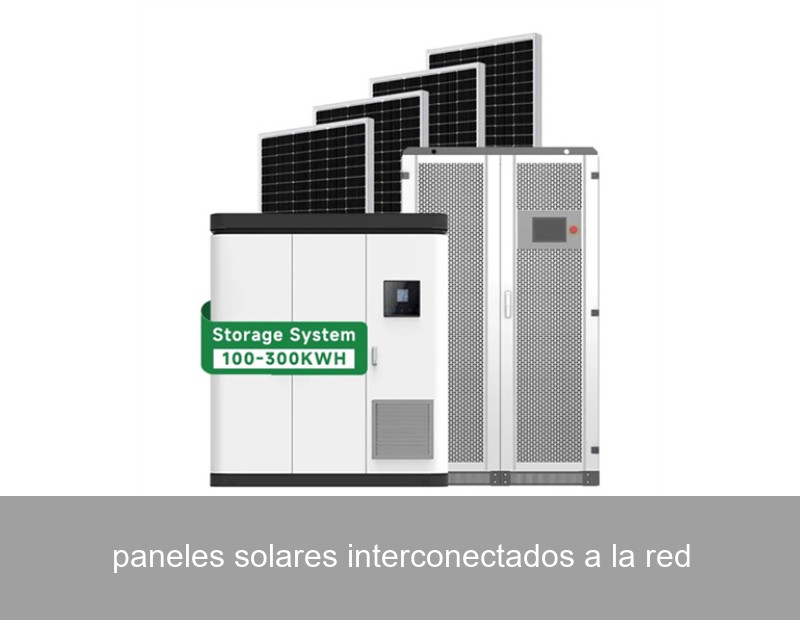
Table of Contents
- What Are Grid-Tied Solar Panels?
- The Seamless Flow: How Grid-Tied Systems Work
- The Compelling Economic Case: Data and Savings
- A Real-World Case Study: A German Bakery's Success Story
- Highjoule's Role: Beyond Panels to Intelligent Energy Management
- The Future is Interactive: Your Role in a Smarter Grid
If you're considering solar power for your home or business, you've likely encountered the term paneles solares interconectados a la red—grid-tied solar panels. This isn't just a technical setup; it's the most popular and efficient way for homeowners and businesses across Europe and the US to harness the sun, slash energy bills, and contribute to a cleaner grid. But how does it truly work, and what does it mean for your energy independence? Let's demystify it together.
What Are Grid-Tied Solar Panels?
Simply put, a grid-tied solar system is connected to your local utility's electrical grid. Unlike off-grid systems that require large battery banks, these systems use the grid as a giant, virtual battery. During sunny days, your panels generate electricity for your immediate use. Any excess power you don't consume is fed back into the grid. At night or on cloudy days, you seamlessly draw power from the grid. This symbiotic relationship ensures you always have reliable power while maximizing the value of every kilowatt-hour your panels produce.
The Core Components
- Solar Panels: Convert sunlight into direct current (DC) electricity.
- Grid-Tied Inverter: The heart of the system. It converts DC to usable alternating current (AC) and synchronizes it perfectly with the grid's frequency and voltage. Crucially, it has safety features to shut down during a grid outage (a feature modern systems can now circumvent with added technology).
- Bi-Directional Meter: Measures both the electricity you draw from the grid and the surplus you export to it, enabling net metering.
- Main Electrical Panel: Distributes solar and grid power throughout your property.
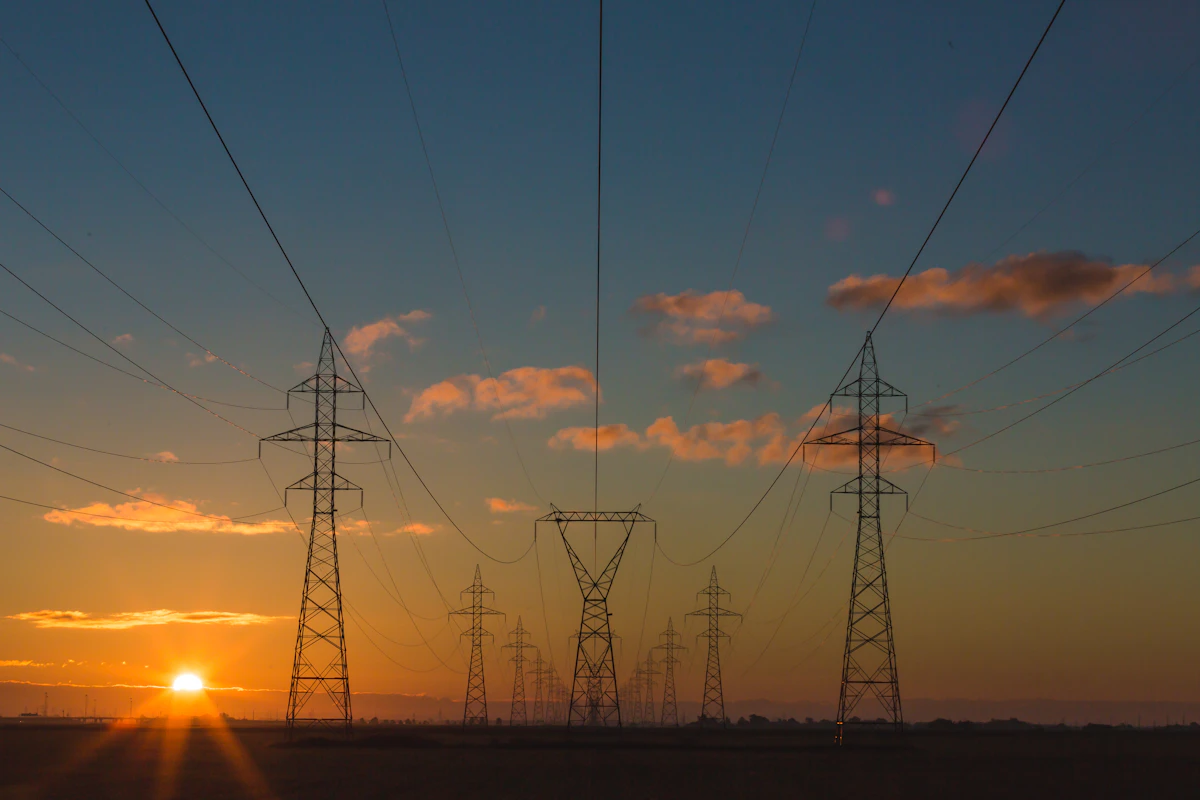
Image Source: Unsplash - A typical grid-tied residential solar installation.
The Seamless Flow: How Grid-Tied Systems Work
Think of your home and the grid as two interconnected bodies of water. Your solar array is a spring filling your personal reservoir. When your "reservoir" overflows, the excess flows into the grid "lake." When your spring runs dry, you draw from the lake. This is managed automatically and instantaneously by your inverter.
The financial mechanism that makes this work is net metering or feed-in tariffs (common in Europe). Under net metering, your utility credits you for the excess energy you export, offsetting the cost of the energy you later import. According to the Solar Energy Industries Association (SEIA), net metering is a key policy driver for solar adoption in the US, allowing consumers to receive full retail value for their solar generation.
The Compelling Economic Case: Data and Savings
The phenomenon is clear: energy prices are volatile and rising. The data is compelling. The U.S. Department of Energy's National Renewable Energy Lab (NREL) reports that the levelized cost of solar energy has fallen by over 80% in the last decade. In sun-rich parts of Europe and the US, solar is now the cheapest form of new electricity generation.
Let's break down the savings for a typical household:
| Scenario | Without Solar | With Grid-Tied Solar |
|---|---|---|
| Monthly Energy Bill | $180 | $25 (grid service fees) |
| Annual Energy Cost | $2,160 | $300 |
| 20-Year Projection* | $43,200+ (with inflation) | $6,000 + initial system cost |
*Illustrative example. Savings depend on location, system size, local rates, and incentives.
A Real-World Case Study: A German Bakery's Success Story
Let's move from theory to practice. Consider Bäckerei Schmidt, a family-owned bakery in Bavaria, Germany. Facing high operational costs and a commitment to sustainability, they installed a 50 kW paneles solares interconectados a la red system in 2021.
- The Challenge: High, unpredictable energy costs for refrigeration, ovens, and lighting.
- The Solution: A grid-tied solar array covering their large south-facing roof, designed to match their daytime energy consumption profile.
- The Results (2023 Data):
- Annual Solar Generation: 52,000 kWh
- On-Site Consumption: 78% (40,560 kWh used directly by the bakery)
- Exported to Grid: 22% (11,440 kWh, receiving a feed-in tariff)
- Energy Cost Reduction: 68% year-over-year
- ROI Period: Projected at under 7 years, thanks to German KfW incentives.
"The system doesn't just save us money," the owner noted. "It's a point of pride for our customers who value supporting a business powered by renewable energy."
Highjoule's Role: Beyond Panels to Intelligent Energy Management
While the panels and inverter are fundamental, the true potential of a modern paneles solares interconectados a la red system is unlocked through intelligent energy management. This is where Highjoule, with nearly two decades of expertise, transforms a simple solar installation into a resilient and adaptive power asset.
Our HES-I Series Integrated Energy Systems are designed for commercial and industrial applications like the bakery in our case study. They go beyond basic grid-tied functionality by incorporating advanced hybrid inverters that can integrate battery storage seamlessly. This allows businesses to:
- Increase Self-Consumption: Store excess solar energy in a Highjoule BESS (Battery Energy Storage System) for use in the evening, pushing the 78% self-consumption rate even closer to 100%.
- Ensure Critical Backup: With our system, during a grid outage, the inverter can island critical loads, keeping essential operations running—a feature traditional grid-tied systems lack.
- Optimize for Time-of-Use Rates: Our intelligent software can forecast energy production and consumption, deciding the optimal time to use solar power, store it, or draw from the grid to maximize savings, especially in markets with variable electricity pricing.

Image Source: Unsplash - Representative image of a commercial battery energy storage system.
For residential customers, our Home Energy Hub provides similar intelligent control, allowing homeowners to pair their grid-tied solar with storage, manage EV charging, and monitor their entire energy ecosystem through a user-friendly app.
The Future is Interactive: Your Role in a Smarter Grid
The evolution of paneles solares interconectados a la red is moving towards true grid interactivity. Imagine a future where thousands of distributed systems like yours, equipped with Highjoule's smart technology, can form a virtual power plant (VPP). Utilities could call upon these aggregated resources to provide grid stability during peak demand, and you would be compensated for your participation. Your solar installation becomes an active node in a more resilient and democratic energy network.
Ready to Explore Your Potential?
The journey to energy independence and sustainability starts with understanding your options. A grid-tied system is the most accessible and effective first step. But what specific energy challenges are you looking to solve—is it purely bill reduction, achieving resilience against outages, or meeting corporate sustainability targets? How might intelligent storage transform the economics of your solar investment?
 Inquiry
 Online Chat