


Para Que Son Los Paneles Solares? Unlocking Energy Independence and Savings
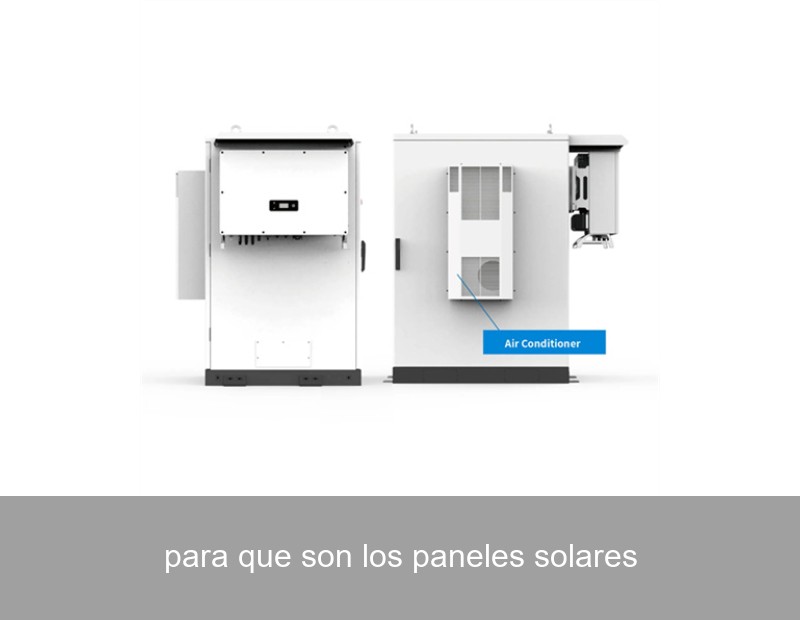
If you've ever looked at the sleek, blue-black arrays on a neighbor's roof and wondered, "Para que son los paneles solares?"—or "What are solar panels for?"—you're asking the most important question in modern energy. Beyond the simple answer of "generating electricity," today's solar panels are the cornerstone of a transformative system designed for energy independence, financial savings, and a sustainable future. For homeowners and businesses across Europe and the US, integrating solar panels with advanced energy storage systems is the key to maximizing these benefits, turning sunlight into a reliable 24/7 power source.
Table of Contents
Beyond Basic Electricity: The Modern Purpose of Solar Panels
The primary function of solar panels (photovoltaic or PV panels) is to convert sunlight directly into direct current (DC) electricity. An inverter then converts this DC power into the alternating current (AC) that powers your home or business. But their true purpose in 2024 is far more strategic:
- Energy Cost Reduction: Offset consumption from the grid, locking in lower, predictable energy costs.
- Energy Security & Resilience: Provide a personal power source, crucial in areas prone to grid outages or extreme weather.
- Environmental Stewardship: Reduce carbon footprint by utilizing a clean, renewable resource.
- Grid Support & Energy Independence: When paired with storage, they allow you to use your power on your schedule, easing strain on public infrastructure.
However, there's a fundamental challenge: the sun doesn't shine at night, and energy production peaks often don't align with usage peaks. This mismatch is where the simple "solar panel" story evolves into the smarter "integrated energy system" narrative.

Image Source: Unsplash - A modern solar + storage home installation.
The Storage Imperative: Why Solar Alone Isn't Enough
Think of solar panels as a fantastic rain catchment system. It collects water (energy) beautifully when it's raining (sunny). But without a water tank (battery), you can't store it for a dry day. This is the phenomenon millions of solar adopters face: generating excess power at noon only to buy expensive grid power in the evening. The data reveals the gap:
- Typical residential energy demand peaks between 4 PM and 9 PM, often after solar production has significantly declined.
- According to the U.S. Department of Energy, "The variable nature of solar... presents challenges for grid operators."
- Net metering policies, which credit you for excess solar sent to the grid, are becoming less favorable in many regions, reducing the financial return of solar-only systems.
The solution is a Battery Energy Storage System (BESS). This is the "water tank" for your solar energy, storing surplus daytime production for use anytime—especially during peak evening hours, during outages, or on cloudy days.
The Highjoule Solution: Intelligent Energy Management
This is where Highjoule's expertise becomes critical. As a global leader in advanced energy storage since 2005, we don't just see solar panels as generators; we see them as the first component in an intelligent energy ecosystem. Our purpose-built systems are designed to solve the solar mismatch problem.
Highjoule's HPS Series for residential and commercial applications seamlessly integrates with new or existing solar arrays. Its AI-driven energy management software learns your consumption patterns and automatically optimizes when to store solar energy, when to power your home from the battery, and when to draw from or export to the grid—maximizing self-consumption and savings.
| System Component | Role | Highjoule's Added Value |
|---|---|---|
| Solar Panels | Generate clean DC electricity | Compatible with all major brands, ensuring optimal integration. |
| Hybrid Inverter | Converts DC to AC & manages energy flow | High-efficiency inverters with multi-mode operation for grid-tied, off-grid, and backup scenarios. |
| Battery Storage (BESS) | Stores excess solar energy | Safe, long-life lithium iron phosphate (LiFePO4) batteries with industry-leading cycle life and thermal stability. |
| Energy Management System (EMS) | The "brain" of the operation | Proprietary AI software for predictive optimization, remote monitoring via app, and real-time system health checks. |
Real-World Impact: A Case Study from Spain
Let's move from theory to practice with a concrete example. Southern Europe, with its abundant sunshine, is a prime solar market. Yet, high evening energy costs persist.
Case Study: A medium-sized winery in Andalusia, Spain, installed a 100 kW solar array in 2020. While it reduced daytime operational costs, the facility's high energy demand during evening cooling and bottling processes meant it still relied heavily on the grid. In 2023, they integrated a Highjoule C&I (Commercial & Industrial) BESS with 200 kWh of storage capacity.
The Results (12 Months Post-Installation):
- Self-Consumption of Solar Energy Increased: From 55% to 92%.
- Grid Energy Consumption During Peak Hours: Reduced by 85%.
- Annual Energy Cost Savings: Increased by an additional €18,000 on top of the initial solar savings.
- ROI Period for Storage System: Projected at under 5 years.
- Resilience: The system now provides critical backup power for refrigeration units, protecting valuable inventory during grid incidents.
This case, mirrored by similar successes in California and Germany, illustrates the transformative answer to "para que son los paneles solares": they are the fuel source for a resilient, self-sufficient, and cost-effective energy asset when paired with the right storage technology.

Image Source: Unsplash - Commercial solar installation in an agricultural setting.
Making the Decision: Is a Solar + Storage System Right for You?
So, how do you translate this potential into a decision for your home or business? Consider these factors:
Your Energy Profile:
Examine your utility bill. High demand charges (for businesses) or time-of-use rates with expensive peak periods are strong indicators that storage will pay off.
Local Policies & Incentives:
Many governments now offer incentives for storage alongside solar. In the US, the federal Investment Tax Credit (ITC) applies to qualified battery installations. The European Union's policies also increasingly favor storage integration.
Resilience Needs:
Is your area susceptible to power outages? For a homeowner, keeping the lights and refrigerator on might be the priority. For a business, it could be about avoiding operational downtime.
At Highjoule, our technical consultants work with you to analyze these very factors. We provide more than just hardware; we provide a comprehensive energy solution—from initial audit and system design to installation, commissioning, and lifelong monitoring and support for our microgrid, commercial, industrial, and residential systems.
Therefore, the next time you see those solar panels and ask "para que son," remember: they are the beginning of a journey. The ultimate destination is energy autonomy. With the intelligent addition of storage, you're not just capturing sunlight; you're capturing control, predictability, and a tangible stake in a cleaner, more resilient energy future.
What specific energy challenge—be it rising bills, unreliable grid power, or sustainability goals—could a tailored solar and storage system solve for you in the next year?
 Inquiry
 Online Chat