


Patanjali Inverter Battery and Beyond: Navigating Modern Home Energy Storage
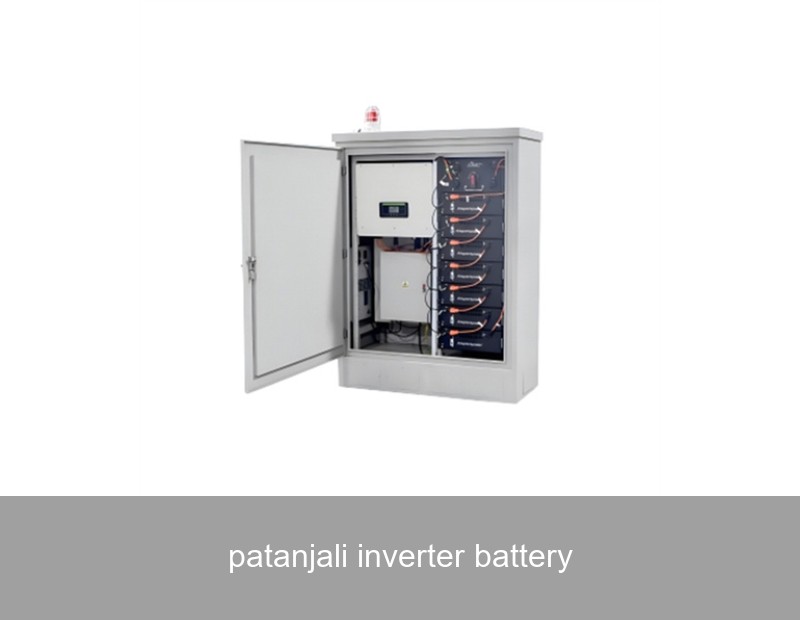
When the power goes out, that familiar beep of the inverter kicking in is a sound of relief. For many households, especially in regions with frequent grid interruptions, the inverter battery is an unsung hero. You might be researching a reliable Patanjali inverter battery, a brand that has entered this essential market with its focus on natural and Ayurvedic principles now extended to power backup. It's a fascinating entry, highlighting just how crucial dependable energy storage has become in our daily lives. But here's a thought: as our world rapidly embraces solar panels and electric vehicles, are traditional inverter batteries enough? This article explores the evolution from basic backup to intelligent, sustainable energy systems, and what you should consider for true energy independence.
The Patanjali Phenomenon: A Market Shift
The entry of a wellness brand like Patanjali into the inverter battery space is more than a business diversification; it's a signal. It tells us that the demand for home energy storage is massive, visible, and ripe for disruption. Consumers are looking for trusted brands that promise reliability and value. A Patanjali inverter battery likely appeals to this sentiment, offering a familiar name in a critical product category. The traditional market, especially in South Asia, has long been dominated by lead-acid batteries, valued for their lower upfront cost.
However, this phenomenon also opens a broader conversation. The core technology in many of these systems—flooded or sealed lead-acid batteries—has remained largely unchanged for decades. They serve the primary purpose of short-duration backup well. But consider these evolving data points:
- Rising Electricity Costs: In Europe and the U.S., household electricity prices have seen significant increases, driving interest in self-consumption of solar energy.
- Solar Adoption: The U.S. alone installed over 15 gigawatts of residential solar capacity in 2023, with most new homeowners wanting to add storage (SEIA, 2023).
- Grid Instability: Extreme weather events are causing more frequent and longer power outages, even in developed grids.
This data paints a clear picture: the need is shifting from mere backup to energy management.
Beyond the Basics: Modern Energy Needs
So, what's the difference between a standard inverter battery setup and a modern home energy storage system? Think of it as the difference between a spare tire and a full-time all-wheel-drive system. One is for emergencies; the other is for optimal, safe, and efficient performance every day.
Traditional inverter batteries are typically designed for a single, crucial task: to provide alternating current (AC) power during a grid failure. They are drained and then recharged from the grid. A modern battery energy storage system (BESS), however, is a dynamic heart for your home's energy flow. It constantly interacts with solar panels, the grid, and your home's consumption. Its goals are multifaceted:
- Maximize Solar Self-Consumption: Store excess solar energy produced at noon to use in the evening, slashing your bills.
- Provide Seamless Backup: Switch to backup power in milliseconds during an outage, often powering essential and high-load circuits.
- Enable Energy Arbitrage: In some markets, store cheap off-peak grid electricity to use during expensive peak hours.
- Ensure Longevity & Safety: Use advanced battery chemistry (like Lithium Iron Phosphate or LFP) with sophisticated battery management systems for a longer, safer life.

Image: A modern lithium-ion home battery system, like those from Highjoule, offers compact, safe, and intelligent energy storage. (Source: Unsplash, representative image)
Case Study: Germany's Solar-Storage Transition
Let's look at a real-world example that foreshadows global trends. Germany has been a world leader in residential solar adoption for years. Initially, homeowners simply fed excess solar power back into the grid for a feed-in tariff. As those tariffs decreased and electricity prices rose, the economic logic shifted dramatically towards storage.
By the end of 2023, over 500,000 German homes had coupled their solar panels with a home battery system. A study by the Fraunhofer Institute for Solar Energy Systems highlighted a typical case: A family in Bavaria with a 8 kWp solar array and a 10 kWh lithium-ion battery increased their self-consumption of solar power from 30% to over 75%. This reduced their annual electricity costs from the grid by nearly 80%. The system paid for itself in under 8 years, and with a battery warranty of 10 years or more, it represented significant long-term savings and carbon reduction.
This case is a powerful analogy. Just as German homeowners moved beyond simple grid-feed systems, the global market is now moving beyond basic inverter batteries. The question is no longer just "how long will the backup last?" but "how much of my own clean energy can I use, and how much can I save?"
Highjoule's Intelligent Energy Solutions
This is where a global perspective and advanced engineering become critical. At Highjoule, we've been at the forefront of this transition since 2005. We understand that the needs of a homeowner in California facing wildfire-related outages are different from a business in Germany optimizing for energy costs, yet the core technology principles are universal: intelligence, efficiency, and sustainability.
While a reliable Patanjali inverter battery serves a specific market need, Highjoule's residential energy storage systems, like our HES Series, are designed for the future of energy. Here’s how we build a more resilient and intelligent system:
| Feature | Traditional Inverter Battery Setup | Highjoule HES Integrated System |
|---|---|---|
| Core Technology | Lead-Acid (often) | Lithium Iron Phosphate (LFP) - safer, longer-lasting |
| Primary Function | Grid outage backup only | Solar storage, load shifting, peak shaving, & backup |
| Intelligence | Minimal (on/off charging) | AI-driven energy management via the Highjoule Hub app |
| Depth of Discharge | ~50% for longevity | Up to 90%+ usable capacity |
| Scalability | Difficult, often requires complete replacement | Modular design; add battery packs as needs grow |
| Ecosystem Integration | Standalone | Designed for seamless integration with solar, EV chargers, and smart homes |
Our systems are more than hardware. The Highjoule Hub energy management platform gives you complete visibility and control. You can set preferences to maximize savings, ensure backup reserves for storms, or even participate in virtual power plant programs where available, turning your battery into a community asset.
Serving Every Scale
Beyond homes, Highjoule's expertise extends to commercial, industrial, and microgrid applications. For a supermarket chain, our C&I solutions can manage demand charges, a significant portion of their electricity bill. For a remote community, our containerized microgrid solutions provide 100% renewable, stable power, displacing diesel generators.
Choosing Your Power Partner
The journey towards energy resilience is personal. It might start with the search for a dependable Patanjali inverter battery to handle daily outages. But as you plan for the future—considering solar panels, an electric vehicle, or simply rising and unpredictable energy costs—the equation changes.
The key is to think in terms of a system, not just a component. Ask yourself and potential providers:
- Is this solution designed to work with solar, both now and if I add it later?
- What is the total cost of ownership over 10 years, not just the purchase price?
- How does the system's software help me actively manage and save on energy?
- What is the manufacturer's global track record and warranty support?

Image: The future of home energy: solar panels paired with intelligent storage for maximum independence. (Source: Unsplash, representative image)
Your home's energy system is becoming as important as its heating or plumbing. It deserves a solution built for the complexities of the modern grid and your aspirations for sustainability. So, as you evaluate your options, what will be the first step you take to move from being a passive consumer to an active manager of your own energy future?
 Inquiry
 Online Chat