


The Pay-As-You-Go Solar System: Democratizing Clean Energy Access
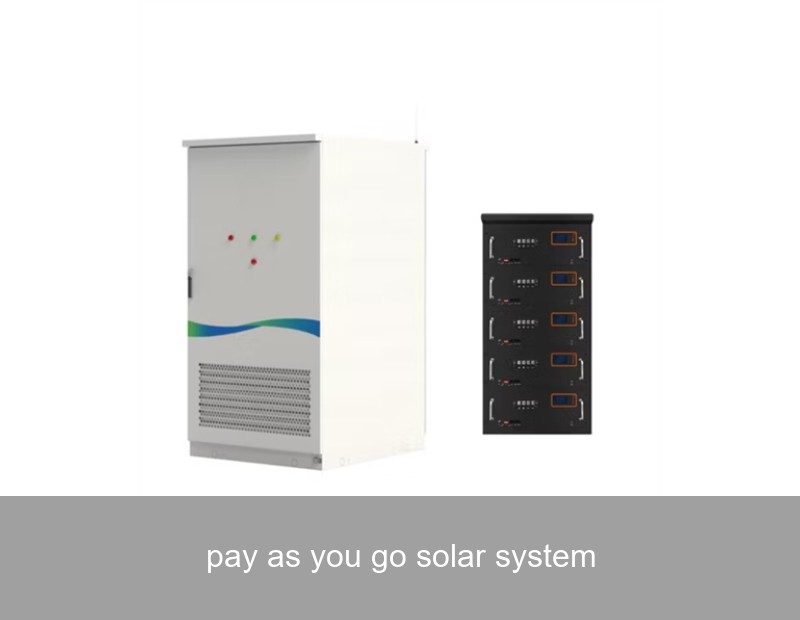
Imagine having the power to switch on reliable electricity, not with a hefty upfront investment, but with small, manageable payments from your phone. This isn't a futuristic dream; it's the reality being created by the innovative pay as you go solar system model. For millions of households and businesses worldwide, particularly in regions with underdeveloped grids or for those seeking energy independence without capital strain, this approach is revolutionizing what it means to access power. At its core, a PAYG solar system is a complete solar-plus-storage kit that customers can lease or purchase through flexible micro-payments, often enabled via mobile money. But as we'll explore, this model is evolving far beyond its initial scope, creating new opportunities even in advanced markets like Europe and the U.S.
How Does the Pay-As-You-Go Model Actually Work?
Think of it like unlocking a premium service on your smartphone, but instead of streaming videos, you're unlocking the sun's energy. The traditional barrier to solar adoption has always been the high initial cost of equipment and installation. PAYG shatters this barrier through a simple, technology-driven process.
- The Setup: A customer acquires a solar panel, a battery storage unit, an inverter, and essential wiring—often as a complete kit. Crucially, the system includes an integrated Energy Management System (EMS) with remote connectivity.
- The "Lock": The system is initially in a locked state. To activate it, the user makes a small initial deposit or first weekly/monthly payment.
- The "Key": Payments are made via mobile platforms (like M-Pesa in Africa or direct bank transfers in the West). Upon successful payment, a unique code is sent to the user or applied automatically via the cloud, unlocking the system for a predetermined period of energy use.
- The Journey to Ownership: Many models are structured as a "lease-to-own" plan. After a series of payments over 1-4 years, the system is fully owned by the customer, and all energy produced is essentially free thereafter.

Image Source: Unsplash - Illustrating mobile-enabled energy access.
This model is a powerful tool for financial inclusion. According to a World Bank report, PAYG solar companies have provided energy access to over 100 million people in the last decade, a testament to its scalability and impact.
Key Benefits Unlocked by the PAYG Solar Approach
The advantages extend far beyond just avoiding a large upfront bill. Let's break them down:
| Benefit | Description | Impact |
|---|---|---|
| Financial Flexibility | Converts a large capital expenditure (CapEx) into a predictable operational expense (OpEx). | Makes solar accessible to low-income households and cash-flow sensitive small businesses. |
| Immediate Upgrade | Replaces expensive, polluting, and dangerous kerosene lamps or diesel generators from day one. | Improves health, safety, and frees up income previously spent on fuels. |
| Technology Inclusion | Built-in IoT connectivity allows for remote monitoring, maintenance alerts, and tailored payment plans. | Ensures system health and provides valuable usage data to optimize performance. |
| Pathway to Asset Ownership | After the payment term, the user owns a productive asset that generates free electricity for years. | Builds wealth and provides long-term energy security and price stability. |
A Real-World Case: Powering a Community in Kenya
Let's look at tangible data. In Kenya, a leading PAYG provider deployed systems to 50,000 rural households between 2018-2021. A study published in Energy for Sustainable Development analyzed the outcomes:
- Energy Cost Savings: Households reduced energy spending by an average of 78% compared to their previous kerosene and phone-charging costs.
- Productive Use: Over 30% of households reported using the electricity for income-generating activities, such as charging neighbors' phones or running a small barber shop with electric clippers.
- Social Impact: Children's study hours increased by 44% on average due to reliable evening lighting.
This case powerfully demonstrates the PAYG model's ripple effect: it's not just about light; it's about education, economic opportunity, and an improved quality of life.
Beyond Basic Power: The Highjoule Vision for Modern PAYG
While the traditional PAYG model has been transformative in developing economies, its principles are incredibly relevant for modern energy consumers in Europe and North America. This is where Highjoule is pioneering the next generation of flexible energy access. We see PAYG not just as a tool for first-time electrification, but as a sophisticated framework for managing modern, resilient energy systems.
Consider a small business owner in California or a rural homeowner in Spain. They want the benefits of solar and battery backup—energy independence, protection from blackouts, and lower bills—but may be hesitant due to installation costs or uncertain future plans. Highjoule's Adaptive Lease Program applies the PAYG philosophy to our high-performance commercial and residential battery storage systems.
- No Large Upfront Cost: Customers can install a complete Highjoule HiveStack™ solar-plus-storage system with a minimal initial investment, paying a fixed monthly fee.
- Intelligent Energy Management: Our integrated AI-driven EMS doesn't just unlock power; it optimizes it. It decides when to store solar energy, when to draw from the grid (at low rates), and when to power the home or business from the battery, maximizing savings automatically.
- Scalability & Service: The model includes remote monitoring and proactive maintenance, ensuring system health and performance. As energy needs grow, the system can be scaled modularly.

Image Source: Unsplash - Representing a modern residential solar and battery installation.
This approach transforms a capital-intensive project into a predictable utility-like service. It aligns perfectly with the needs of businesses managing operational budgets or homeowners who prefer a simple, all-inclusive solution for their clean energy transition.
Is a Pay-As-You-Go Solar System Right for Your Situation?
Whether you're an entrepreneur looking to power a remote telecom tower, a farmer needing irrigation pump power, or a suburban family wanting to cut bills and gain backup power, the core question remains: how do you prefer to finance your energy resilience? The PAYG model is compelling if:
- You seek to avoid large upfront capital outlays.
- You want predictable monthly energy costs protected from utility rate hikes.
- You value having a service agreement and professional monitoring included.
- You are in a location with high grid instability or expensive electricity.
The journey of the pay as you go solar system from a tool of basic energy access to a framework for advanced, intelligent energy management is a fascinating evolution. It proves that when you combine innovative financing with robust, smart technology like Highjoule's storage solutions, you can truly democratize energy—not just for the underserved, but for anyone who values flexibility, control, and a sustainable future.
 Inquiry
 Online Chat