


Plantas Electricas de Luz Solar: Your Complete Guide to Solar Power Plants
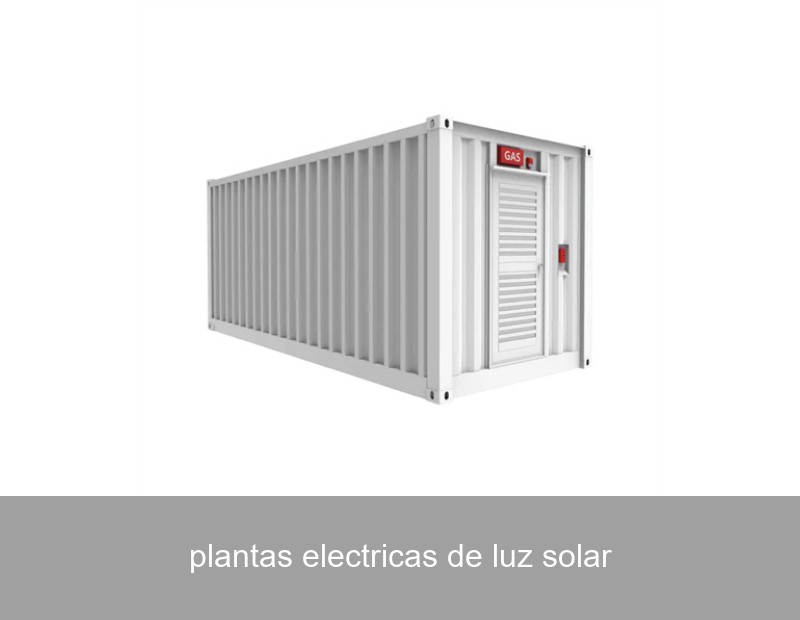
Imagine a power plant that generates electricity silently, without smoke, and with a fuel source that arrives for free every single day. This isn't futuristic fantasy; it's the reality of plantas electricas de luz solar, or solar power plants. For businesses, communities, and even homeowners, these systems are transforming from a niche alternative to a mainstream pillar of resilient and cost-effective energy. As grid instability and energy costs rise, the question is no longer *if* to switch to solar, but *how* to do it most effectively. This guide will demystify solar power plants, explore their real-world impact, and show how modern technology makes them more accessible than ever.
Table of Contents
- What Are Plantas Electricas de Luz Solar?
- Key Components of a Modern Solar Power System
- Core Benefits and Addressing the Challenges
- A Real-World Case Study: Resilience in Action
- Choosing the Right System for Your Needs
- How Highjoule Powers the Solar Transition
What Are Plantas Electricas de Luz Solar?
At its core, a planta electrica de luz solar is a dedicated installation that converts sunlight into electrical energy. Unlike small rooftop setups, the term often implies a larger-scale system designed to meet significant power demands, either for self-consumption, grid feed-in, or off-grid operation. The principle is based on the photovoltaic (PV) effect, where solar panels generate direct current (DC) electricity when exposed to sunlight. But here's the critical evolution: today's advanced solar power plant is far more than just panels. It's an integrated energy ecosystem that includes smart inverters, sophisticated energy management, and, crucially, battery energy storage systems (BESS). This combination is what turns intermittent solar generation into a reliable, 24/7 power source.
Key Components of a Modern Solar Power System
Understanding the parts helps you understand the potential. A high-performing system consists of:
- Solar Panels (PV Modules): The most visible element. Modern monocrystalline panels offer efficiencies over 22%, meaning they generate more power in limited space.
- Solar Inverters: The "brains" of the operation. They convert the DC electricity from panels into usable AC electricity for your building or the grid. Advanced hybrid inverters can also manage battery charging and discharging.
- Battery Energy Storage System (BESS): This is the game-changer. Batteries store excess solar energy produced during the day for use at night, during peak tariff periods, or during grid outages. It's what elevates a solar setup to a true, autonomous power plant.
- Energy Management System (EMS): Intelligent software that optimizes energy flow—deciding when to store, when to use, and when to sell—based on weather forecasts, consumption patterns, and electricity rates.
- Mounting and Safety Hardware: Racking systems, combiners, and switchgear that ensure a safe, durable, and compliant installation.

Image Source: Unsplash - A utility-scale solar power plant.
Core Benefits and Addressing the Challenges
Let's talk about why the shift is happening. The benefits of solar power plants are compelling:
- Substantial Cost Savings: Lock in lower energy costs for decades, hedging against volatile utility prices. Post-installation, sunlight is free.
- Energy Independence & Resilience: Reduce reliance on the public grid. With storage, you have backup power during outages, a critical factor for businesses and communities.
- Environmental Impact: Drastically reduce your carbon footprint. Solar is a clean, renewable resource that combats climate change directly.
- Low Operational Costs: Once installed, maintenance requirements are minimal, especially for systems with no moving parts.
However, we must address common concerns head-on. "What happens when the sun doesn't shine?" This was the historic limitation. Today, it's solved by integrating high-capacity battery storage. "Is the upfront investment too high?" While CapEx is significant, the total lifetime cost, when factoring in 25+ years of operation and rising grid costs, often makes solar the cheaper option. Financing models and incentives, like the U.S. Investment Tax Credit (ITC) or various European Union grants, further improve economics.
A Real-World Case Study: Resilience in Action
Let's move from theory to hard data. Consider a mid-sized dairy processing plant in Northern Germany. Facing frequent grid fluctuations and high peak demand charges from their utility, they installed a 550 kWp solar carport system coupled with a 480 kWh battery storage unit.
| Metric | Before Installation | After Installation |
|---|---|---|
| Grid Dependency | 100% | ~35% (annual average) |
| Peak Demand Charges | €42,000 per year | Reduced by ~68% |
| CO2 Emissions | ~312 metric tons/year | Reduced by ~215 tons/year |
| Energy Cost Stability | Vulnerable to market spikes | ~75% of energy at fixed, low cost |
The system was designed to prioritize self-consumption. Excess solar energy charges the batteries, which then power critical cooling processes in the evening, avoiding peak tariffs. During a regional grid fault in January 2023, the facility's "solar power plant" with its storage seamlessly provided backup power for over 5 hours, preventing spoilage of inventory worth tens of thousands of euros. This case exemplifies the triple win: financial savings, operational resilience, and sustainability.
Choosing the Right System for Your Needs
Not all plantas electricas are the same. The optimal configuration depends on your primary goal:
- For Maximum Self-Consumption & Bill Savings (Residential/Commercial): A system sized to match your daytime load profile, paired with a moderate battery to shift evening consumption.
- For Critical Backup Power (Clinics, Data Centers, Industry): Robust solar generation plus an oversized battery bank, ensuring critical loads can run indefinitely, often combined with a generator as a last resort.
- For Off-Grid Microgrids (Remote Communities, Agri-business): A fully independent system with large solar arrays, very significant storage capacity, and sometimes a diesel generator hybrid for long periods of low sun.
- For Grid Services & Revenue (Large Commercial/Utility): Large-scale plants designed to sell power or provide grid stability services like frequency regulation, where advanced inverters and grid-formation capabilities are key.
How Highjoule Powers the Solar Transition
This is where expertise and technology converge. At Highjoule, with nearly two decades of experience since 2005, we don't just sell components; we deliver intelligent, turnkey power solutions. We understand that a reliable planta electrica de luz solar hinges on seamless integration between generation, storage, and control.
Our HPS Series (Highjoule PowerStack) battery energy storage systems are engineered for durability and intelligence. Using lithium iron phosphate (LFP) chemistry for safety and long cycle life, they are the perfect complement to any solar array. What sets them apart is their built-in smart energy management, which can be customized to prioritize your goals—whether it's shaving peak demand, maximizing self-sufficiency, or ensuring uninterrupted power.

Image Source: Unsplash - A modern battery storage installation.
For larger commercial, industrial, and microgrid applications, our HMS (Highjoule Microgrid System) acts as the central nervous system. It dynamically orchestrates solar PV, battery storage, existing generators, and the grid to achieve the lowest cost and highest reliability possible. This means our clients get a future-proof system that adapts to changing energy tariffs and regulations, protecting their investment for the long term. From initial consultation and design to installation, commissioning, and remote monitoring, Highjoule provides a single point of responsibility, ensuring your solar power plant performs as promised, year after year.
The Future is Integrated and Intelligent
The landscape of energy is shifting from centralized, one-way grids to decentralized, interactive networks. In this new landscape, your planta electrica de luz solar is more than just a source of power; it's an active asset. With technologies like virtual power plant (VPP) participation emerging, aggregated solar and storage systems can provide vital services to stabilize the wider grid, potentially creating new revenue streams for owners.
So, as you consider taking control of your energy future, what specific challenge—peak demand charges, grid unreliability, or sustainability targets—would you want your own solar power plant to solve first?
 Inquiry
 Online Chat