


From Sunlight to Socket: A Modern Guide to Solar Power Plants (Planta Generadoras de Electricidad Solar)
Imagine a power plant with no smokestacks, no fuel deliveries, and near-silent operation. This is the reality of today's planta generadoras de electricidad solar (solar power plants). For decades, large-scale solar farms have been transforming our energy landscape. But a quiet revolution is happening: the rise of intelligent, storage-integrated solar generation that delivers reliable, clean power day and night. This article explores the evolution, technology, and real-world impact of modern solar power plants, and how innovation is solving their most pressing challenge: intermittency.
Table of Contents
- The Evolution: From Simple PV Arrays to Smart Power Plants
- The Core Technology Breakdown
- The Critical Challenge: Intermittency and the Grid
- The Solution: Hybrid Solar-Storage Power Plants
- Case Study: A Spanish Solar Farm's Journey to 24/7 Power
- The Future: AI, Microgrids, and Your Role
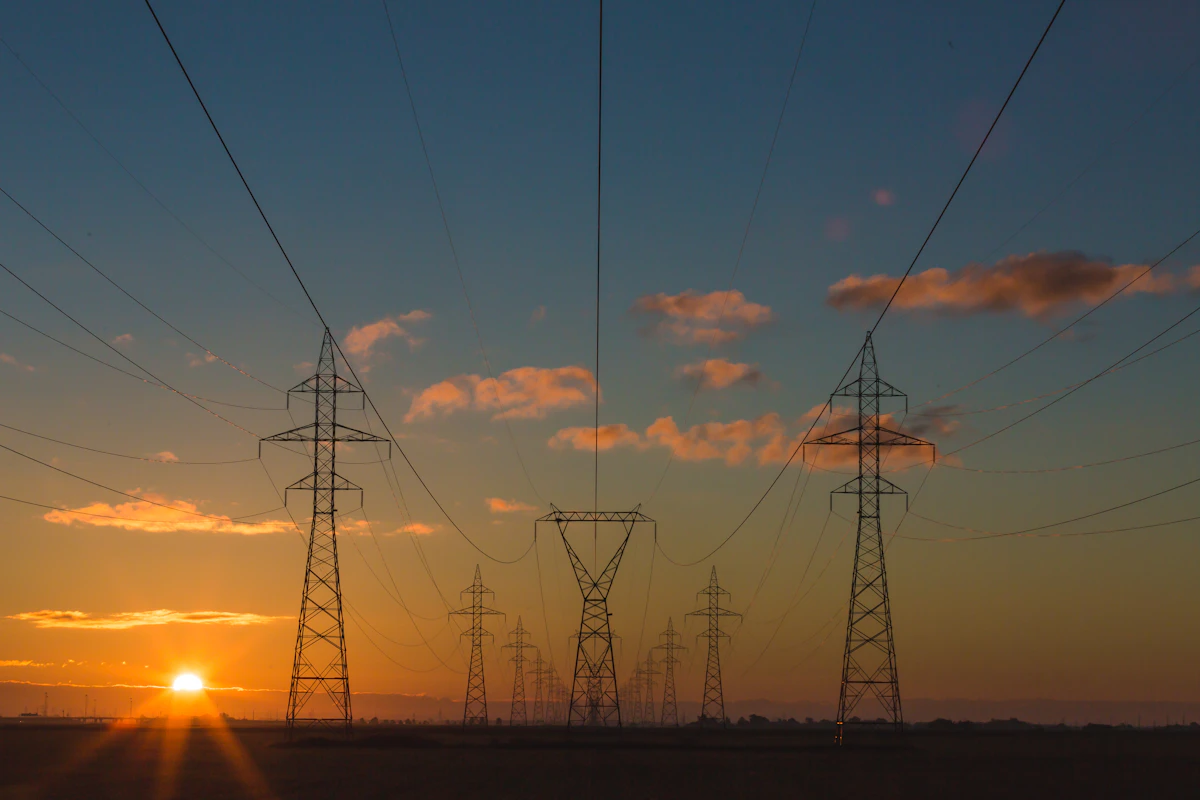
Image Source: Unsplash - A typical utility-scale solar PV plant.
The Evolution: From Simple PV Arrays to Smart Power Plants
The first generation of planta generadoras de electricidad solar was conceptually simple: vast fields of photovoltaic (PV) panels converting sunlight into direct current (DC) electricity, which inverters then transformed into alternating current (AC) for the grid. When the sun shone, they fed power; when it set, they stopped. This created a "duck curve" challenge for grid operators, who had to ramp up traditional power plants rapidly as solar output dropped in the evening.
Today, a solar power plant is no longer just a collection of panels. It's a sophisticated, digitally managed energy asset. The focus has shifted from mere generation to predictable, dispatchable power delivery. This means integrating advanced power electronics, energy management systems (EMS), and crucially, large-scale battery energy storage systems (BESS). This transformation turns a variable resource into a stable, grid-supportive one.
The Core Technology Breakdown
Let's dissect the key components of a modern, high-performance solar power plant:
- Photovoltaic Modules: Higher-efficiency panels (like PERC, TOPCon, or HJT) generate more power per square meter.
- Smart Inverters: Beyond DC-to-AC conversion, they provide grid services like voltage and frequency regulation.
- Energy Management System (EMS): The plant's "brain." It optimizes energy flow, predicts generation, and manages storage dispatch.
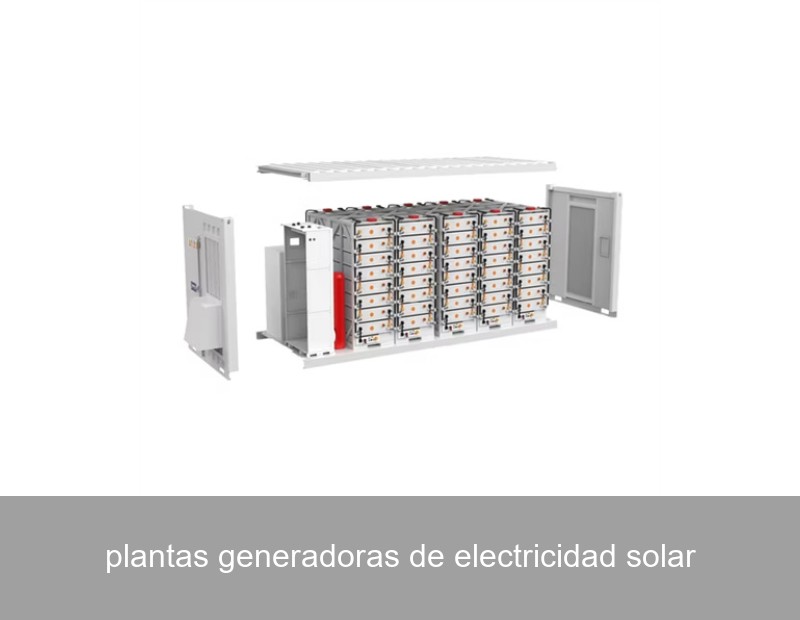
- Battery Energy Storage System (BESS): The game-changer. Large-scale lithium-ion or flow batteries store excess solar energy for use during peak demand or at night.
- Grid Connection & Transformers: Robust infrastructure to safely and efficiently deliver power to the transmission network.
Why Storage is No Longer Optional
Think of it this way: a solar plant without storage is like a brilliant scholar who only works random hours. A plant with storage is that same scholar with a phenomenal assistant who organizes their work, saves insights for later, and ensures a consistent, valuable output is delivered on schedule. The storage system is that indispensable assistant.
The Critical Challenge: Intermittency and the Grid
The data is clear. According to the U.S. Energy Information Administration (EIA), the capacity factor for solar PV—the ratio of actual output to maximum possible output—typically ranges from 15% to 25% without storage. This variability forces other power plants to cycle inefficiently, increasing costs and emissions.
For a grid operator in Europe or North America, integrating gigawatts of solar power without firm capacity is a complex balancing act. The question became: How can we make solar power plants behave more like traditional, dispatchable power stations?
The Solution: Hybrid Solar-Storage Power Plants
The answer lies in seamless integration. A hybrid solar-storage plant combines generation and storage into a single, optimized asset. Here's where companies like Highjoule lead the way. Since 2005, Highjoule has specialized in designing and deploying intelligent battery storage solutions that are the perfect partner for large-scale solar.
Highjoule's GridSynergy BESS platform, for instance, is engineered specifically for utility and commercial-scale renewable integration. Its features directly address solar's challenges:
- Advanced DC-Coupling Option: Allows solar and storage to share a single inverter, reducing system losses and costs by up to 20% compared to AC-coupled systems.
- Predictive Energy Analytics: Uses weather data and AI to forecast solar generation and pre-charge batteries optimally.
- Grid-Forming Inverter Technology: Enables the plant to "island" and support microgrids or help restart the grid after a blackout—a capability once exclusive to fossil-fuel plants.
By integrating a solution like GridSynergy, a planta generadora de electricidad solar transforms from a passive generator into an active grid citizen, providing capacity, frequency response, and peak shaving services.

Image Source: Unsplash - A large battery energy storage system installation.
Case Study: A Spanish Solar Farm's Journey to 24/7 Power
Let's look at a real example from southern Spain, a region with abundant sunshine but also a need for stable evening power.
Project: "SolNueve" 50 MWp Solar Plant (Andalusia)
Challenge: The plant faced significant grid curtailment during midday peaks (excess solar on the grid) and could not participate in the more lucrative evening capacity market.
Solution: In 2022, the operator partnered with Highjoule to integrate a 20 MWh GridSynergy BESS using DC-coupled architecture.
Implementation & Data:
| Metric | Before BESS | After BESS Integration (First Year) |
|---|---|---|
| Annual Energy Market Value | Base solar PPA rate | Increased 35% (energy arbitrage + capacity payments) |
| Grid Curtailment | ~15% of potential generation | Reduced to <2% |
| Availability for Peak Demand (6-9 PM) | 0% | Can deliver 10 MW for 2 hours consistently |
| Grid Services Revenue | None | Added frequency regulation income |
Outcome: The SolNueve plant is no longer just a solar generator; it's a reliable, multi-revenue stream power asset. It now provides critical capacity during Spain's evening demand peak, much of which is still met by fossil fuels, as noted by the European Network of Transmission System Operators for Electricity (ENTSO-E). This model is being replicated across Europe and the U.S.
The Future: AI, Microgrids, and Your Role
The next frontier for planta generadoras de electricidad solar involves even greater intelligence. Artificial Intelligence and Machine Learning are being used to optimize every kilowatt-hour, predicting cloud cover and adjusting storage dispatch in real-time for maximum financial and grid benefit. Furthermore, these smart hybrid plants are becoming the anchors for industrial and community microgrids, providing energy security and independence.
For businesses, municipalities, or energy developers, the implication is clear. The value of a solar investment is now intrinsically linked to the intelligence of its storage partner. It's not just about buying panels and batteries; it's about choosing a system designed for holistic performance and long-term resilience.
Highjoule's approach encompasses this full lifecycle, offering not just hardware but ongoing performance optimization and monitoring for their solar-storage installations, ensuring the asset performs at its peak for decades.

Image Source: Unsplash - Aerial view of a combined solar and storage facility.
As we move towards net-zero goals on both sides of the Atlantic, the evolution of the solar power plant stands as a testament to human ingenuity. It has grown from a novel alternative into the backbone of a clean, reliable, and intelligent grid. So, the question we leave you with is: When evaluating your next energy project, are you planning for a simple solar array, or are you building the dispatchable, revenue-resilient power plant of the future?
 Inquiry
 Online Chat