


Why a Smart Power Control System is the Brain of Your Solar Investment
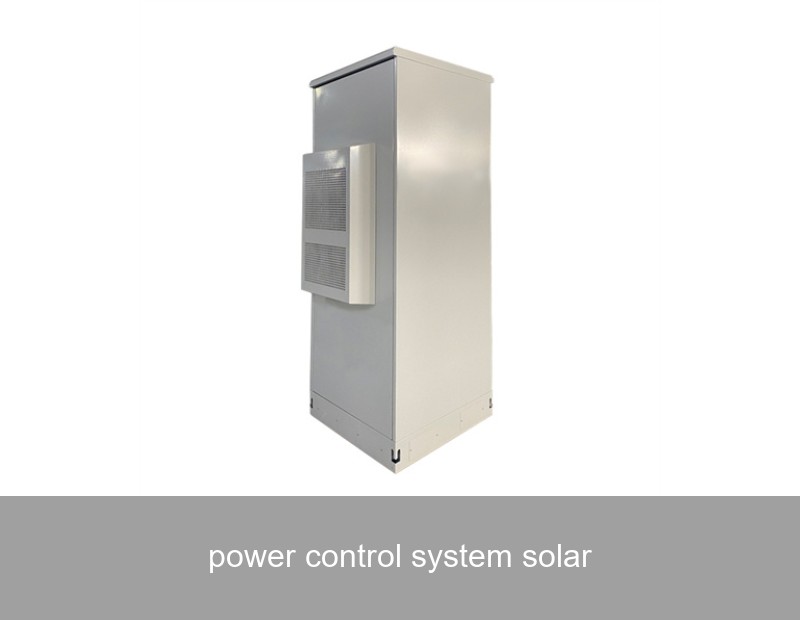
You've installed solar panels on your roof. The sun is shining, your meter is spinning backwards, and you feel a surge of green pride. But here's a question many homeowners and businesses don't ask until it's too late: Is all that precious solar energy being used in the smartest way possible? The truth is, solar panels alone are just the beginning. The real intelligence—the key to maximizing savings, ensuring reliability, and building true energy independence—lies in an advanced power control system for solar. Let's explore why this technology is no longer a luxury, but a necessity for a resilient and efficient energy setup.
The Phenomenon: More Solar, New Challenges
The solar boom across Europe and the US is undeniable. However, this rapid adoption has revealed a critical gap. Traditional solar systems are essentially "dumb" generators. They produce energy when the sun shines and feed it directly into the home or the grid. This creates several scenarios:
- Midday Excess: Peak solar production often occurs when homes are empty (during work hours) and demand is low.
- Evening Shortfall: Energy demand peaks in the evening when families are home, but solar production is zero. This forces reliance on the expensive grid—a phenomenon known as the "duck curve."
- Grid Instability: Feeding large, uncontrolled amounts of solar back into a local grid not designed for bidirectional flow can cause voltage fluctuations and instability.
Simply put, without intelligent control, you're not optimizing your self-consumption, leaving potential savings on the table, and missing out on backup power during outages.
The Data: The Hidden Inefficiencies in Solar-Only Systems
The numbers paint a clear picture. According to analyses by energy experts, a typical home solar system without storage or smart controls might only directly consume 30-50% of the energy it produces. The rest is exported to the grid, often at a rate much lower than the retail price you pay to import it later. For commercial and industrial (C&I) users with steep demand charges—fees based on the highest power draw in a billing period—this lack of control is even more costly. A sudden cloud cover can cause a facility to instantly spike its grid power draw, triggering high penalty fees. An intelligent solar power control system is designed specifically to solve these financial and operational inefficiencies.

Image Source: Unsplash - Visualizing energy flow is a core feature of modern power control systems.
The Solution: What is a Solar Power Control System?
Think of it as the central nervous system for your entire energy ecosystem. A power control system for solar (often called an Energy Management System or advanced inverter system) is a combination of hardware and software that dynamically manages the flow of electricity between solar panels, battery storage, the grid, and your home's or business's circuits.
Its core functions include:
- Prioritizing Self-Consumption: Automatically directing solar energy to power appliances first, then charging batteries, and only then exporting excess.
- Peak Shaving: For C&I users, using stored battery energy to cap the power drawn from the grid during high-demand periods, slashing demand charges.
- Backup Power Management: Seamlessly islanding your home or critical loads during a grid outage, powered by solar and batteries.
- Grid Services & Rate Optimization: In some markets, systems can interact with the grid to provide stability or automatically operate based on time-of-use electricity rates to buy low and use your own stored energy when rates are high.
The Highjoule Approach: Intelligent Control for Real-World Demands
At Highjoule, with nearly two decades of experience since 2005, we've learned that a one-size-fits-all controller doesn't work. Our Helios Power Core platform is the intelligence embedded within our commercial, industrial, and residential storage solutions. It goes beyond basic switching.
For homeowners, our Residential Energy Hub integrates with your solar inverter and Highjoule battery to provide an intuitive app. You can see real-time flows, set preferences (like "always keep 50% battery reserve for outages"), and even participate in virtual power plant programs where available.
For our C&I and microgrid clients, the Helios Power Core is a robust industrial controller. It can manage multiple generation sources (solar, wind, generators), complex battery banks, and prioritize loads based on business-critical needs. It makes decisions not just on kilowatt-hours, but on cost, carbon footprint, and operational continuity. Our systems are designed to meet the rigorous standards and grid interconnection codes of both the European and North American markets, ensuring compliance and safety.
Case Study: A UK Manufacturing Plant's Journey to Resilience
Let's look at a real-world application. A mid-sized automotive parts manufacturer in Birmingham, UK, faced two major issues: skyrocketing energy costs (with significant demand charges) and a need for uninterrupted power for sensitive robotic assembly lines. Brief grid dips were causing costly production halts.
The Solution: Highjoule deployed a turnkey system including a 500 kW solar array, a 750 kWh lithium-ion battery storage system, and, most crucially, our advanced Helios Power Core control system.
The Results (18-month post-installation):
| Metric | Before Installation | After Installation | Improvement |
|---|---|---|---|
| Grid Energy Consumption | 100% Baseline | Reduced by 65% | 35% of original use |
| Peak Demand Charge | £12,500 per month (avg) | £4,200 per month (avg) | 66% reduction |
| Production Downtime from Grid Issues | ~15 hours/year | 0 hours/year | 100% resilience for critical loads |
| Carbon Footprint | Baseline | Reduced by 58% | Major sustainability win |
The power control system was programmed to aggressively shave peak demand by discharging the battery during high-load periods and to keep the battery at a 40% state of charge as a "buffer" to instantly correct for any grid voltage sags, maintaining perfect power quality for the robotics. The financial payback period was under 5 years, not including the avoided cost of production stoppages.

Image Source: Unsplash - Industrial-scale storage requires robust control systems.
Future-Proofing Your Energy Setup
Investing in solar is a long-term decision. Pairing it with a smart power control system from the start, like Highjoule's platform, future-proofs your investment. As electricity markets evolve with more dynamic tariffs and as electric vehicle (EV) charging becomes a major home load, your system can adapt. Imagine your controller automatically charging your EV with excess solar, or selling battery power back to the grid during a high-price event, all managed autonomously.
For deeper insights into grid integration challenges and the value of smart controls, readers can explore research from authoritative bodies like the National Renewable Energy Laboratory (NREL) and the International Renewable Energy Agency (IRENA).
Your Next Step Towards Smarter Energy
The journey from a simple solar producer to an intelligent energy manager starts with asking the right questions. What are your true goals: Maximum bill savings? Absolute backup power? Reducing your carbon footprint? Or a combination of all three?
How will you ensure your energy system adapts to the needs of tomorrow, not just today? We invite you to consider: What single energy challenge—be it a stubbornly high electric bill or concern over grid reliability—would you want a smart power control system for your solar investment to solve first?
 Inquiry
 Online Chat