


Power Station 220V Output: The Key to Reliable, Portable, and Clean Energy Access
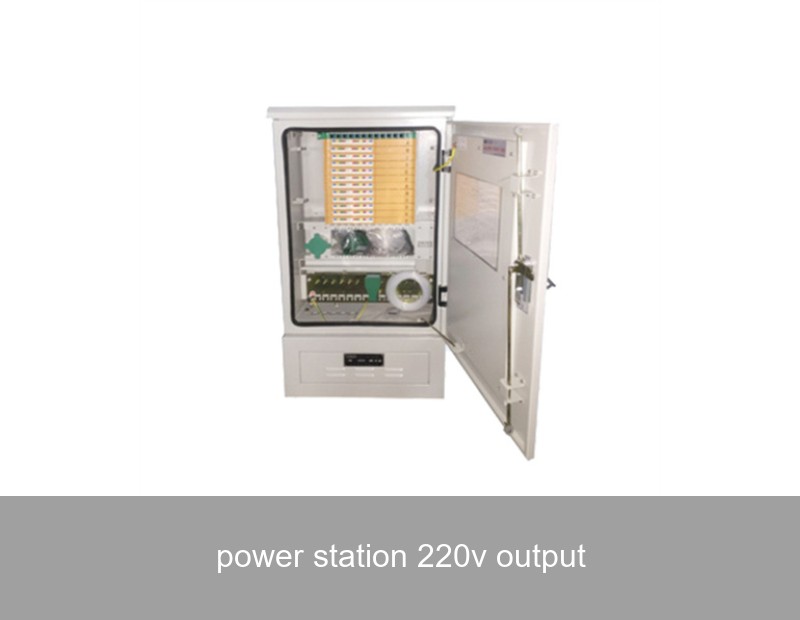
Imagine you're on a remote job site in rural Texas, your critical power tools need a stable 220V supply, but the grid is miles away. Or perhaps you're a European homeowner during a winter storm blackout, needing to power essential 220V appliances. The quest for reliable, high-voltage power in any location is a modern challenge. This is where the concept of a portable power station with a 220V output transforms from a convenience into a necessity. Unlike traditional gas-guzzling generators, today's advanced power stations offer silent, emission-free, and intelligent power solutions. As a leader in advanced energy storage, Highjoule is at the forefront of this revolution, engineering systems that deliver robust, clean 220V AC power precisely where and when it's needed.
Table of Contents
- The Growing Demand for 220V Portable Power
- Beyond the Outlet: How Modern 220V Power Stations Work
- Key Specifications to Decipher When Choosing a 220V Power Station
- A Real-World Case Study: Powering a German Small Business Through Grid Instability
- Highjoule's Tailored Solutions for Robust 220V Power Needs
The Growing Demand for 220V Portable Power
The global shift towards electrification and decentralization of energy is undeniable. In Europe and North America, 220-240V is the standard for major household and industrial appliances—from refrigerators and washing machines to power tools and workshop equipment. The phenomenon? Increasing grid instability due to extreme weather events and an ever-growing desire for energy independence, both for individuals and businesses. The data speaks volumes: The International Energy Agency (IEA) reports that the global market for battery energy storage is set to expand dramatically, driven by the need for power reliability and integrating renewable sources. This isn't just about camping; it's about continuity, resilience, and productivity.
Beyond the Outlet: How Modern 220V Power Stations Work
So, how does a compact box silently deliver the same voltage as your wall socket? The magic lies in three core components: the battery, the inverter, and the battery management system (BMS).
- The Battery (The Fuel Tank): Most high-capacity stations now use Lithium Iron Phosphate (LiFePO4) cells. They offer a longer lifespan, superior thermal stability, and can handle more charge/discharge cycles compared to traditional lithium-ion.
- The Inverter (The Heart): This is the critical piece that creates the 220V output. A pure sine wave inverter converts the battery's direct current (DC) into a clean, stable alternating current (AC) wave that is identical—or often better—than grid power. This ensures sensitive electronics like laptops, medical devices, and variable-speed motors run safely and efficiently.
- The Battery Management System (The Brain): The BMS is the unsung hero. It constantly monitors cell voltage, temperature, and current, ensuring safety, optimizing performance, and prolonging the battery's life.

Image Source: Unsplash (Representative image of a portable power station)
At Highjoule, our engineering philosophy centers on harmonizing these components. Our systems feature industrial-grade inverters with peak power handling for motor startups and sophisticated, multi-layer BMS protection, ensuring every 220V output from our units is not just available, but also reliable and safe.
Key Specifications to Decipher When Choosing a 220V Power Station
Navigating product specs can be confusing. Let's break down what truly matters for your 220V needs:
| Specification | What It Means | Why It Matters for 220V Devices |
|---|---|---|
| Rated & Peak Power (W/kW) | Continuous vs. surge power output. | Your station must have a continuous rating above your appliance's running wattage. Peak must handle startup surges (e.g., a refrigerator compressor kicking in). |
| Capacity (Wh/kWh) | The total energy stored, like the size of a fuel tank. | Determines runtime. A 1kWh (1000Wh) station can run a 500W device for ~2 hours. For 220V appliances, which often consume more, higher capacity (2kWh+) is key. |
| Output Waveform | The quality of the AC electricity produced. | Pure Sine Wave is non-negotiable for 220V motors, pumps, and sensitive electronics. Modified sine wave can damage them. |
| Input & Recharge Options | How you refill the "tank." | Look for dual charging (AC + Solar). A high solar input voltage (e.g., 150V) allows for faster recharge with fewer panels, a core feature in Highjoule's commercial systems. |
A Real-World Case Study: Powering a German Small Business Through Grid Instability
Let's move from theory to practice. Consider "Hofgut Rosenfeld," a small dairy and cheese production facility in southern Germany. Their challenge was twofold: volatile grid power affecting their 220V refrigeration systems (critical for product safety), and a desire to reduce their carbon footprint.
The Phenomenon & Data: Local grid fluctuations, especially during peak agricultural seasons, led to 3-5 minor power dips per month. Each dip risked spoiling batches of cheese stored at precise temperatures. The financial risk was estimated at over €15,000 annually in potential lost product.
The Solution & Outcome: They deployed a Highjoule HI-Stack Commercial ESS configured with a 10kWh LiFePO4 battery bank and a 5kW pure sine wave inverter with 220V output. The system was seamlessly integrated into their critical circuits. During a grid dip or short outage, the Highjoule system provides instantaneous backup power (<20ms switchover) to the refrigeration units. Furthermore, it leverages 6kW of existing rooftop solar to offset daytime energy costs and keep the battery charged. After 18 months of operation, the facility has reported zero production losses due to power quality issues and has reduced their grid energy consumption for cooling by 40%.

Image Source: Unsplash (Representative image of industrial refrigeration)
Highjoule's Tailored Solutions for Robust 220V Power Needs
At Highjoule, we understand that "one-size-fits-all" doesn't apply to energy. Our product lines are engineered to meet specific 220V power demands across sectors:
- For Residential & Premium Home Backup: Our HomePower Series offers scalable storage from 5kWh to 20kWh, with integrated inverters delivering seamless 220/240V backup power for essential home circuits. With a focus on safety and aesthetics, they integrate with solar to create a true personal power station.
- For Commercial & Industrial Reliability: The HI-Stack Modular System is our workhorse. Its modular design allows businesses to scale power (inverter output) and energy (battery capacity) independently. Need a robust 15kW, 220V three-phase output for a workshop? Or a 30kWh bank to support critical IT servers? The HI-Stack platform can be configured precisely for that, ensuring business continuity.
- For Off-Grid & Microgrid Applications: Highjoule designs integrated systems that combine large-scale solar arrays, multiple battery stacks, and advanced inverter/chargers to create independent 220V microgrids for remote sites, agricultural operations, or community projects, all managed by our intelligent energy management software.
Our approach goes beyond hardware. We provide comprehensive energy assessments, system design support, and smart monitoring software, ensuring our clients' 220V power solutions are optimized for their unique operational and financial goals.
Choosing the Right 220V Power Station for Your Application
Your journey starts with an honest assessment. What 220V devices are mission-critical? Calculate their total running watts and account for the highest starting surge. How long do you need to run them—2 hours, 8 hours, or through the night? This simple audit will point you to the required continuous power rating and battery capacity.
Remember, a high-quality power station is an investment in resilience. Prioritize brands, like Highjoule, that are transparent about their battery chemistry (LiFePO4 is the gold standard for stationary storage), inverter quality (pure sine wave), and software capabilities for monitoring and control. Don't hesitate to consult with a professional installer or directly with our technical team; the right planning upfront guarantees performance for years to come.
What's the First 220V Appliance You Would Secure to Ensure Your Home or Business Never Skips a Beat?
Whether it's the sump pump in your basement, the medical equipment for a loved one, or the CNC machine that drives your workshop's revenue, identifying that critical load is the first step toward true energy resilience. The technology to create your own reliable, clean 220V power station is here and more accessible than ever. We invite you to explore what a tailored Highjoule system could do for your specific scenario. What does your foundation of power resilience look like?
 Inquiry
 Online Chat