


Powering a Fridge with Solar: A Practical Guide to Energy Independence
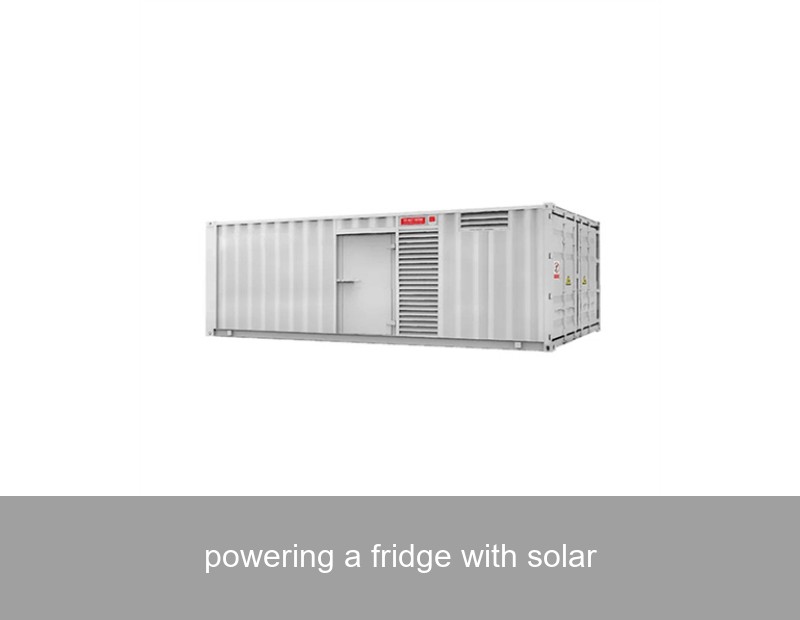
Imagine opening your fridge on a hot summer day, enjoying a cold drink, knowing the electricity that cooled it came directly from the sun. Powering a fridge with solar is no longer a futuristic concept for off-grid cabins; it's a practical, achievable step towards energy resilience and lower bills for homeowners and businesses alike. As grid instability and energy costs rise, particularly in regions like Europe and the U.S., the question shifts from "if" to "how" we can effectively harness solar power for our most essential appliances. This guide will walk you through the realities, the numbers, and the smart technology that makes 24/7 solar refrigeration not just possible, but highly efficient.
Table of Contents
- The Phenomenon: Your Fridge, The Constant Consumer
- The Data: How Much Solar Power Does a Fridge Really Need?
- The Case Study: From California Bakery to Belgian Farmstead
- The Integrated Solution: Beyond Panels and Batteries
- Highjoule's Role: Intelligent Energy Management
- Getting Started with Your Solar-Powered Fridge
The Phenomenon: Your Fridge, The Constant Consumer
Let's face it, your refrigerator is the heartbeat of your kitchen—and your energy bill. It's the one appliance that never takes a break. While we might be diligent about turning off lights, the fridge hums along 24 hours a day, 365 days a year. During a heatwave or a power outage, its continuous operation becomes critical for food safety and comfort. This constant demand is precisely why powering a fridge with solar is such a compelling project. It addresses a core, non-negotiable load with clean energy, providing immediate tangible benefits and peace of mind.

Image Source: Unsplash - Representative image of solar integration for home appliances.
The Data: How Much Solar Power Does a Fridge Really Need?
Throwing a few panels on your roof might not cut it. To design an effective system, we need to talk numbers. A modern, energy-efficient refrigerator might use between 100 and 400 kilowatt-hours (kWh) per year. That sounds manageable, but let's break it down daily and consider real-world conditions.
| Fridge Type | Estimated Annual Consumption | Estimated Daily Consumption | Required Solar Panel Capacity (Approx.)* |
|---|---|---|---|
| Energy Star Rated (U.S. Residential) | 250 kWh | 0.68 kWh | 300-400 W |
| European A+++ Rated | 180 kWh | 0.49 kWh | 250-350 W |
| Small Commercial Cooler | 800 kWh | 2.19 kWh | 800-1000 W |
*Calculation assumes 4-5 peak sun hours per day and includes system efficiency losses. Actual needs vary by location and climate.
The key insight here is that powering a fridge with solar isn't just about the panels. Since the sun doesn't shine at night and your fridge never sleeps, an energy storage system (ESS) is non-negotiable. You need a battery to store excess solar energy generated during the day for use in the evening and overnight. According to the U.S. Department of Energy, sizing your battery bank correctly is crucial for achieving true energy independence for critical loads.
The Case Study: From California Bakery to Belgian Farmstead
Let's look at a real-world example. A small artisanal bakery in Northern California was facing crippling demand charges and wanted to secure its refrigeration during frequent public safety power shutoffs. Their critical load was a 25 cubic foot commercial fridge and a freezer, with a combined daily consumption of about 5 kWh.
Their solution included:
- A 4 kW solar array on their bakery's flat roof.
- A 10 kWh lithium-ion battery storage system.
- A smart inverter system that could island the critical loads during an outage.
The results were impressive. The system not only kept their valuable ingredients safe during grid failures but also reduced their monthly electricity bill by over 40% by offsetting peak-time usage. The bakery owner noted, "The system pays for itself by protecting our business. A single outage could have meant thousands in lost inventory. Now, our solar-powered cold storage is our most reliable employee." This principle applies equally to a farmstead in Belgium using solar to power a milk refrigeration unit, ensuring freshness regardless of grid fluctuations.
The Integrated Solution: Beyond Panels and Batteries
So, you need panels, a battery, and an inverter. But simply connecting these components is like having a powerful computer without an operating system. The true magic—and efficiency—lies in intelligent energy management. This is where modern systems like those from Highjoule excel.
An advanced system doesn't just react; it predicts and optimizes. It considers:
- Weather Forecasting: Anticipating a cloudy tomorrow? The system can strategically conserve battery energy today.
- Load Prioritization: In a low-energy scenario, it ensures the fridge stays on while deferring non-essential loads.
- Tariff Optimization: In areas with time-of-use rates, it can decide when to draw from the grid, the battery, or the panels to minimize cost.

Image Source: Unsplash - Representative image of an energy management system interface.
Highjoule's Role: Intelligent Energy Management
At Highjoule, we've been engineering solutions for these exact challenges since 2005. We understand that powering a fridge with solar is a microcosm of a larger energy resilience goal. Our HES (Highjoule Energy System) Series for residential and commercial applications is designed to seamlessly integrate solar, storage, and smart management.
Our systems feature:
- Adaptive AI Software: Our platform learns your energy habits, including your refrigerator's cycle, and optimizes storage and discharge patterns for maximum efficiency and savings.
- Scalable Battery Storage: Modular battery design allows you to start with what you need for critical loads (like your fridge) and expand later to cover more of your home or business.
- Robust Hybrid Inverters: Capable of forming a stable microgrid during outages, ensuring your essential appliances remain powered without interruption.
- Professional Support: From initial site assessment to system design and maintenance, our global network ensures your project meets local regulations and performance expectations in Europe and the U.S.
Think of it as giving your solar + storage system a brain, turning it from a passive power source into an active energy asset. For deeper technical insights on system sizing, resources like the National Renewable Energy Laboratory's reports on PV and storage provide excellent background.
Getting Started with Your Solar-Powered Fridge
Ready to explore this for your home or business? Start with these steps:
- Audit Your Appliance: Find the energy label or use a plug-in energy meter to measure your fridge's actual consumption over a week.
- Assess Your Site: Consider roof space, shading, and local climate. A professional installer can provide a detailed solar potential analysis.
- Define Your Goals: Is it pure backup, maximum bill savings, or a step towards full energy independence? This will guide system size.
- Consult with Experts: Engage with a certified installer who can design a system with integrated components, like Highjoule's, that are built to work together intelligently.
The journey to powering a fridge with solar is the first step in reimagining your relationship with energy. It's a move from being a passive consumer to an active producer and manager. What other essential load in your home or business would you want to secure with clean, reliable solar power next?
 Inquiry
 Online Chat