


Understanding the Price of a 1kW Solar Panel: A 2024 Investment Guide
If you're considering solar power, one of the first questions you likely have is, "What's the price of a 1kW solar panel system?" It's a great starting point, but the answer is more nuanced than a single number. The cost isn't just about the panels on your roof; it's about the entire ecosystem that turns sunlight into reliable, usable power for your home or business. In this guide, we'll break down the factors influencing the price, explore the real value behind the investment, and show how pairing solar with intelligent storage, like solutions from Highjoule, transforms a simple purchase into a long-term energy strategy.
Table of Contents
- Breaking Down the Cost of a 1kW Solar System
- Beyond the Panel Price: The Hidden System Components
- The Storage Factor: Why Your Solar Investment Needs a Battery
- Real-World Case Study: A German Household's Journey to Energy Independence
- Maximizing Your Return: Quality, Installation, and Smart Management
- What Does Your Energy Future Look Like?
Breaking Down the Cost of a 1kW Solar System
Let's address the headline figure first. As of 2024, the price of a 1kW solar panel system in markets like the U.S. and Europe typically ranges from $2,500 to $3,500 for the hardware and installation, before incentives. This is a significant drop from a decade ago, thanks to advances in photovoltaic technology and scaled manufacturing (U.S. Department of Energy). But this is just the "soft cost" benchmark.
Think of it this way: you wouldn't buy a car engine and expect a working vehicle. Similarly, a solar panel is the heart of a broader system. The price per watt (W) is a more useful metric, currently averaging $2.50 to $3.50 per watt for a residential installation. Therefore, a standard 6kW system would range from $15,000 to $21,000 gross. Government incentives, like the Federal Investment Tax Credit (ITC) in the U.S. or various EU member state subsidies, can reduce this net cost by 30% or more.
Key Factors Influencing Your Quote:
- Panel Type & Efficiency: Premium monocrystalline panels (higher efficiency, better for limited roof space) cost more than polycrystalline.
- System Size: Larger systems often have a lower cost per watt due to economies of scale.
- Roof Complexity: A simple, south-facing roof is easier and cheaper to install on than a multi-angled, shaded, or slate roof.
- Location: Local labor rates, permit fees, and market competition vary widely.
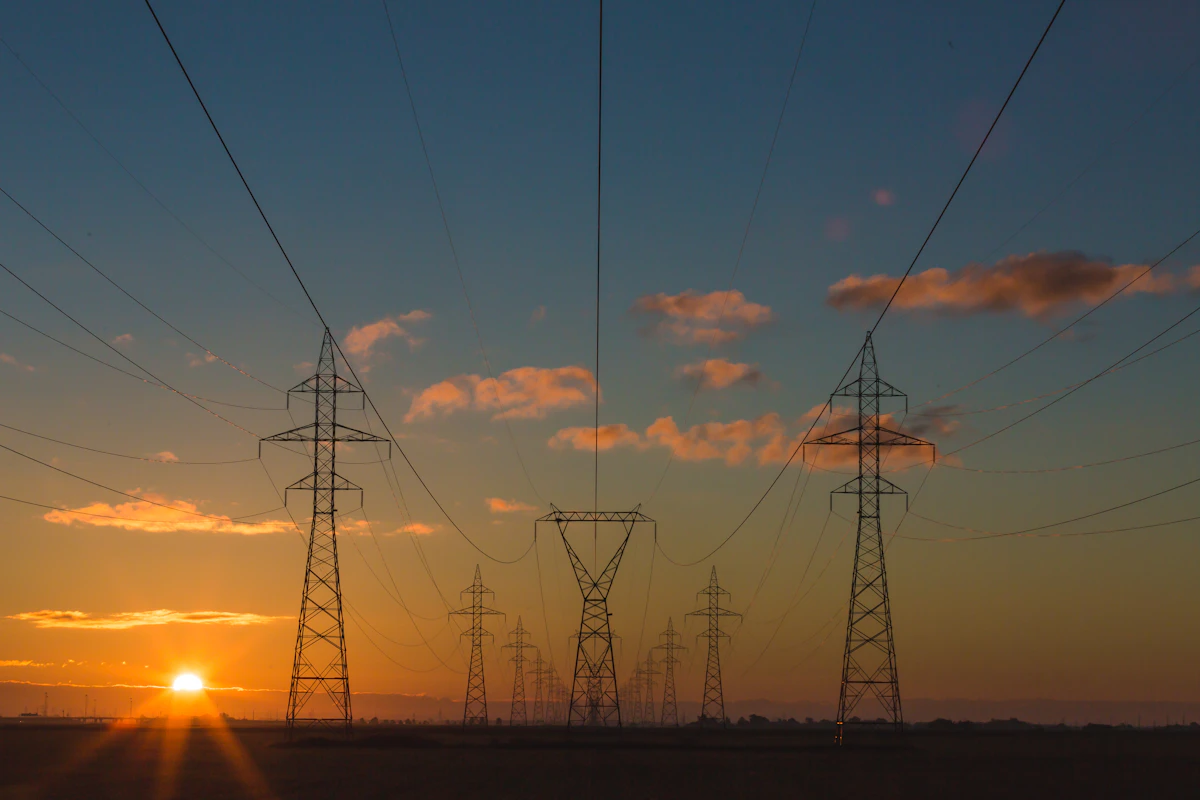
Caption: The type and quality of solar panels are a primary driver of the initial price of a 1kW system.
Beyond the Panel Price: The Hidden System Components
Focusing solely on the price of a 1kW solar panel misses the critical balance-of-system (BOS) components. These are the parts that make your solar array safe, efficient, and grid-compliant.
| Component | Role | Impact on Cost & Performance |
|---|---|---|
| Inverters | Converts DC solar power to AC for home use. | Microinverters (per-panel) optimize shade handling but cost more than string inverters. |
| Mounting & Racking | Secures panels to your roof or ground. | Quality here ensures longevity and protects your roof integrity. |
| Monitoring Systems | Tracks energy production in real-time. | Essential for diagnosing issues and verifying savings. Often cloud-based. |
| Permits & Interconnection Fees | Legal and utility requirements to go live. | A fixed administrative cost that varies by municipality and utility company. |
This is where choosing an integrated solution provider pays off. Companies like Highjoule design systems where all components—from panels to inverters—are engineered to work seamlessly together. Our H-Series Hybrid Inverters, for example, are built with dual MPPT trackers to maximize energy harvest from different roof planes and come pre-configured for simple battery integration, future-proofing your investment from day one.
The Storage Factor: Why Your Solar Investment Needs a Battery
Here's the pivotal insight: solar panels produce power when the sun shines, but your energy demand peaks in the morning and evening. Without storage, you export excess midday power to the grid at a low rate and buy it back at night at a high rate. This dynamic is eroding the value of solar-only systems in many regions as net metering policies evolve.
Adding a battery storage system changes the economics fundamentally. It allows you to:
- Increase Self-Consumption: Use your solar power day and night, drastically reducing grid imports.
- Provide Backup Power: Keep lights on during grid outages, a value beyond price.
- Participate in Grid Services: In some markets, you can earn revenue by providing grid stability services.
This is the core of Highjoule's expertise. We don't just sell solar panels; we provide intelligent, integrated Solar-Plus-Storage systems. Our JouleCore™ Lithium-Ion Battery Systems are designed with advanced battery management systems (BMS) for safety, longevity, and efficiency. Paired with our smart energy management platform, JouleBrain AI™, the system learns your consumption patterns, weather forecasts, and utility rates to autonomously decide when to store, use, or export energy—maximizing your financial return.

Caption: A battery storage system, like Highjoule's JouleCore, is the key to unlocking the full value of your solar investment.
Real-World Case Study: A German Household's Journey to Energy Independence
Let's look at real data from a 2023 installation in Bavaria, Germany. The homeowner, the Schmidt family, had a primary goal: to shield themselves from volatile energy prices and achieve 80% energy independence.
- System: 8.2kWp solar array + Highjoule JouleCore 10 kWh battery + H-Series Hybrid Inverter.
- Total Installed Cost (after EEG subsidy): €24,500.
- Pre-Solar Annual Electricity Cost: €2,800 (based on 35c/kWh).
- Post-Installation: The system now covers 92% of their annual electricity needs. Their annual grid import bill is now under €250.
- Simple Payback Period: Approximately 9 years, with over 15 years of additional guaranteed system life. The battery also provides uninterrupted power during frequent local grid fluctuations.
"The initial price of the solar panels was just one line item in the quote," said Mr. Schmidt. "The real value became clear when we saw our first full month's bill. The system doesn't just generate power; it manages it intelligently. The peace of mind during storms is priceless." This case highlights that the true metric isn't cost per kilowatt, but cost per kilowatt-hour consumed from the grid over the system's lifetime.
Maximizing Your Return: Quality, Installation, and Smart Management
To ensure you get the best return, look beyond the sticker price.
1. Prioritize Quality and Warranty
High-quality panels degrade slower (often with 90%+ output after 25 years). Similarly, a battery's cycle life and degradation rate are critical. Highjoule products come with robust performance warranties and are backed by global service, ensuring your investment is protected.
2. Choose an Accredited, Experienced Installer
A perfect system can be undermined by poor installation. Certified installers not only ensure safety and compliance but also optimize system design for your specific site.
3. Plan for the Future with an Open Ecosystem
Your energy needs will change. Can you easily add more panels or battery capacity later? Highjoule's modular battery design and scalable inverter platforms are built for this exact scenario, preventing costly "rip-and-replace" upgrades.
What Does Your Energy Future Look Like?
The conversation around the price of a 1kW solar panel is ultimately a conversation about taking control. It's about moving from being a passive consumer to an active producer and manager of your energy. With the right partner and a system designed for intelligence, not just generation, the initial investment transforms into decades of predictable, clean, and affordable power.
So, we leave you with this question to ponder: When you evaluate your next energy bill, what cost matters more to you—the price per panel today, or the total cost of energy dependency over the next 25 years? The team at Highjoule is ready to help you build a solution focused squarely on the latter.
 Inquiry
 Online Chat