


10 kW Solar PV: How Much Does It Really Cost and What's the Return?
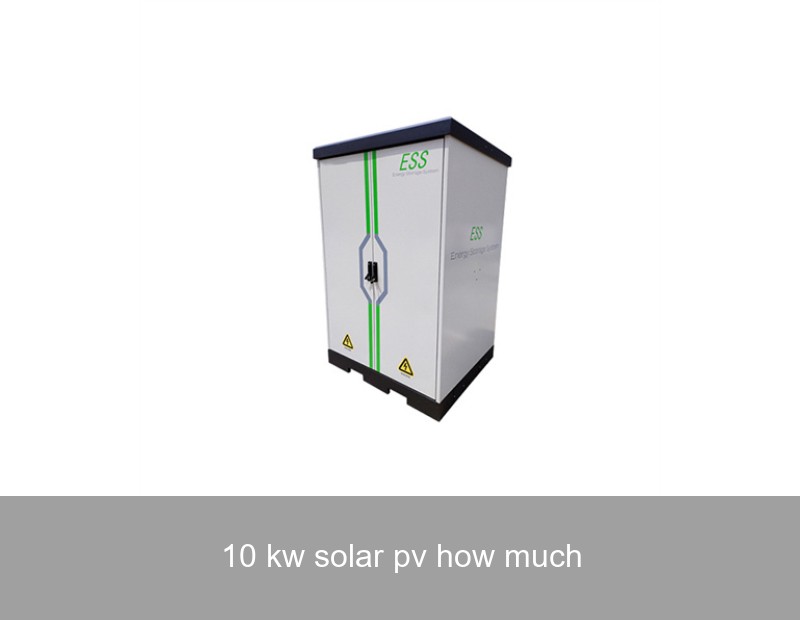
So, you're considering making the switch to solar power and a 10 kW photovoltaic (PV) system has caught your eye. It's a popular choice for a reason—often perfectly sized for an energy-hungry family home or a small business. But the big question looming is, "10 kW solar PV, how much?" If you're expecting a simple, one-number answer, the reality is a bit more nuanced. The final price tag is a blend of hardware, labor, location, and incentives. More importantly, the true question isn't just about the upfront cost; it's about the long-term value and energy independence you gain. Let's demystify the investment together.
The Real Cost Breakdown: More Than Just Panels
Think of a solar installation like building a custom home. You have the core materials, but also the design, labor, permits, and interior finishes that make it functional. A 10 kW system is no different. On average, across markets like the United States and Western Europe, a fully installed 10 kW rooftop solar PV system can range from $20,000 to $30,000 (or €18,000 to €28,000) before incentives. But why such a range? Let's break it down.
Hardware & Equipment Costs
This is the "car" itself—the components you can see and touch.
- Solar Panels (The Engine): Typically 25-30 high-efficiency panels to reach 10 kW. Panel quality (monocrystalline vs. polycrystalline) and brand affect price.
- Inverters (The Brain): This converts DC solar power to usable AC power. You can choose between a single string inverter or microinverters (one per panel), with the latter offering better shade tolerance but at a higher cost.
- Racking & Mounting (The Foundation): The secure metal framework that attaches the panels to your roof.
"Soft Costs": Installation & Permits
Often overlooked, these are critical and vary widely by region.
- Professional Installation: Labor costs for certified electricians and installers. Complex roof designs (multiple angles, slate tiles) increase this cost.
- Permits & Interconnection Fees: Your installer handles the paperwork with your local authority and utility company to get permission to install and connect to the grid. These fees depend entirely on your municipality.
- Site Assessment & Design: The engineering behind ensuring your system is safe, optimal, and compliant.
Key Factors Affecting Your Final Price
Your unique situation plays a massive role in answering "10 kW solar PV, how much?"
| Factor | Impact on Cost |
|---|---|
| Geographic Location | Labor rates, permit costs, and market competition differ between, say, California and Germany, or Texas and Spain. |
| Roof Characteristics | A simple, south-facing, composite shingle roof is easiest. Tile roofs, steep pitches, or need for structural reinforcement add cost. |
| Equipment Tier | Premium, high-efficiency panels and microinverters cost more upfront but may yield more energy over time. |
| Local Incentives & Tax Credits | This is the game-changer. The U.S. federal Investment Tax Credit (ITC) can reduce cost by 30%. Many European countries offer VAT reductions or feed-in tariffs. |
From Cost to Investment: Understanding Your Return
Shifting your mindset from "cost" to "investment" is crucial. A 10 kW system isn't an expense; it's a hedge against rising electricity prices for 25+ years. The key metrics are payback period (how long until savings cover the cost) and lifetime savings.
A 10 kW system in a sunny region can produce 12,000 to 16,000 kWh annually. If your electricity rate is $0.18/kWh, that's $2,160 to $2,880 in annual savings from day one. With a net cost of $21,000 after a 30% tax credit, your simple payback period could be around 7-10 years. After that, it's nearly pure savings for the system's remaining life.
A Real-World Case Study: The Johnson Residence
Let's look at a real example from a 2023 installation in Sacramento, California.
- System Size: 10.2 kW
- Total Installed Cost: $27,500
- After Federal ITC (30%): $19,250
- Annual Production: ~14,300 kWh
- Local Utility Rate: $0.22/kWh (and rising ~4% annually)
- Annual Year 1 Savings: ~$3,146
- Estimated Payback Period: ~6.1 years
- 25-Year Projected Savings: Over $115,000
This tangible case shows how incentives and high local energy rates accelerate return. Your numbers will vary, but the principle remains: solar is a wealth-building asset for your property.
Image Source: Unsplash (A typical residential solar installation)
Enhancing Value with Smart Energy Storage
This is where the modern energy story gets even more interesting. A 10 kW solar system generates power when the sun shines. But what about evenings, cloudy days, or during a grid outage? This is where pairing solar with a battery energy storage system (BESS) transforms your setup from a money-saver to a resilience hub.
Companies like Highjoule specialize in this next-level integration. By adding a Highjoule HES Series residential storage system to your 10 kW PV array, you can store excess daytime energy for use anytime. This maximizes self-consumption—sometimes to 80% or more—shielding you further from peak-time electricity rates. In markets with volatile pricing or less favorable net metering policies, storage is becoming essential for maximizing ROI.
For commercial and industrial clients, Highjoule's CES Series provides scalable, intelligent storage solutions that manage demand charges, provide backup power, and enable participation in grid services. Since 2005, Highjoule has been at the forefront, ensuring their systems are not just hardware, but intelligent, grid-responsive assets that make your energy work smarter for you.

Image Source: Unsplash (A modern home battery storage unit)
Your Solar Journey: What's the Next Step?
Asking "10 kW solar PV, how much?" is the perfect first step. The logical next step is to move from averages to a personalized proposal. This requires a site-specific assessment that considers your roof's sun exposure (using tools like NREL's PVWatts Calculator), your historical energy consumption, and your local financial landscape.
Reach out to a few reputable, certified installers in your area for detailed quotes. Ask them to explain the difference between equipment options and to model the financial returns with and without storage. With energy prices on an upward trend globally, the question may slowly shift from "Can I afford solar?" to "Can I afford to wait?"
What specific concern about taking the next step with solar is most on your mind—is it navigating local permits, understanding the warranty details, or visualizing how storage would fit into your daily life?
 Inquiry
 Online Chat