


Punjab Solar Scheme for Farmers: A Blueprint for Global Agricultural Energy Independence
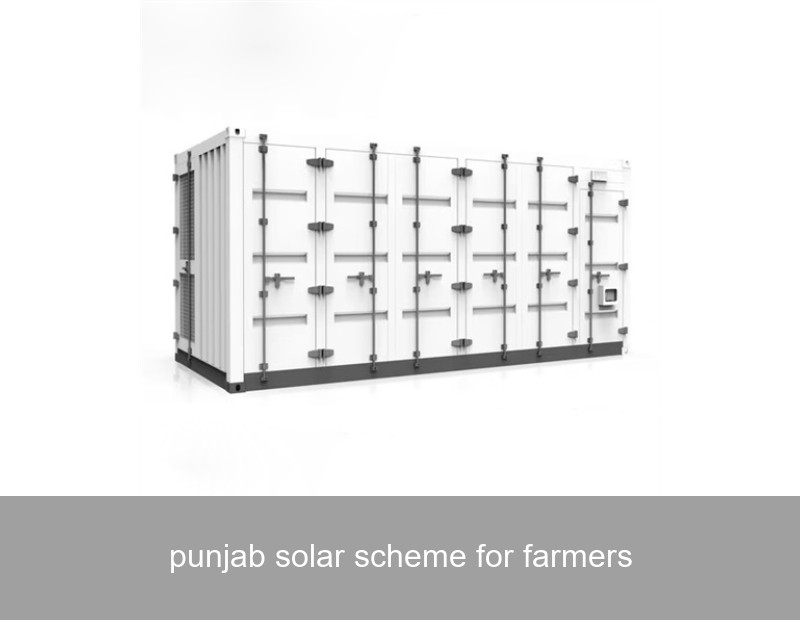
Imagine a farm where the electricity bill is no longer a source of dread, where irrigation pumps hum to life powered by the sun, and surplus energy becomes a new cash crop. This isn't a futuristic dream; it's the reality being cultivated right now through initiatives like the Punjab Solar Scheme for Farmers. For our readers in Europe and the United States, this pioneering program from India offers profound insights into how solar energy can revolutionize agriculture, enhance energy security, and create sustainable rural economies. As a global leader in advanced energy storage, Highjoule sees this as a powerful case study in the marriage of renewable policy and cutting-edge technology.
Table of Contents
- The Challenge: Energy, Water, and Agricultural Costs
- The Punjab Solution: Solarizing the Farm
- Data and Impact: More Than Just Kilowatt-Hours
- Beyond Panels: The Critical Role of Energy Storage
- Global Lessons for EU and US Farmers
- The Future is Intelligent and Integrated
The Challenge: Energy, Water, and Agricultural Costs
Farmers worldwide face a common triad of pressures: volatile energy costs, increasing water scarcity, and tightening profit margins. In Punjab, India's "breadbasket," this was acutely felt. The state's agricultural sector relied heavily on subsidized grid power and diesel-powered pumps for irrigation. This created a dual burden: a massive financial strain on state utilities and unpredictable operating costs for farmers. Power cuts during critical growing seasons could jeopardize an entire harvest. The need for a decentralized, reliable, and cost-effective power solution was clear. The Punjab Solar Scheme for Farmers emerged as a direct response, aiming to replace conventional grid and diesel power with solar energy for running agricultural pumps.
The Punjab Solution: Solarizing the Farm
The scheme, formally known as the 'Punjab State Solar Power Policy for Agriculture,' provides farmers with a compelling proposition. The government offers substantial capital subsidies—often covering a significant portion of the upfront cost—for farmers to install solar photovoltaic (PV) panels. These panels are connected to dedicated solar pumps that draw water for irrigation. The core benefits are immediate:
- Elimination of Electricity Bills: Solar power is free after the initial investment.
- Energy Independence: Freedom from grid outages and diesel price fluctuations.
- Additional Income: A groundbreaking feature allows farmers to sell surplus solar energy back to the grid, transforming their land into a dual-purpose asset for food and energy production.
This model doesn't just change the energy source; it redefines the farmer's relationship with energy, turning them from passive consumers into active "prosumers."
Data and Impact: More Than Just Kilowatt-Hours
Let's look at the tangible results. According to Punjab Energy Development Agency (PEDA) reports, over 2,000 standalone solar pumps and numerous grid-connected systems had been installed under earlier phases of the scheme. A World Bank study on similar solar irrigation programs in India notes that a typical 5 HP solar pump can save 1,200-1,500 liters of diesel per year, reducing CO2 emissions by about 3-4 tons annually. For a farmer, this translates to saving thousands of dollars in fuel costs over the system's 25-year lifespan.
Case Study: The Singh Farm in Ludhiana District
Consider a real-world example from the heart of Punjab. Farmer Gurpreet Singh installed a 7.5 kW solar PV system with a submersible pump under the state scheme. The data speaks volumes:
| Metric | Before Solar | After Solar |
|---|---|---|
| Monthly Energy Cost for Irrigation | ~$80 (Grid + Diesel Backup) | $0 |
| Annual CO2 Emissions | ~4.8 Tons | 0 Tons |
| Water Management | Limited to grid power availability | On-demand, daylight irrigation |
| Additional Revenue | $0 | ~$150/year from surplus power |
"The sun is now my most reliable farmhand," Singh reports. "My worries about power cuts ruining my wheat crop are gone. The extra income from selling power is a welcome bonus." This micro-level success story is being replicated across the state, showcasing a scalable model.

Image: Agrivoltaics, combining solar energy and agriculture. Source: Unsplash
Beyond Panels: The Critical Role of Energy Storage
While the Punjab scheme is a brilliant start, it highlights a next-level opportunity: integration with energy storage. Solar panels only generate power during the day, but water needs and energy sales opportunities might not always align with peak sun hours. This is where companies like Highjoule enter the picture, transforming a good solar setup into a resilient and intelligent energy system.
Highjoule's advanced battery energy storage systems (BESS), like our H-Joule Commercial Stack, can store excess solar energy produced at midday. This energy can then be used to run pumps in the early morning or evening, aligning with optimal irrigation times and reducing evaporation losses. For farmers looking to maximize revenue from surplus power, storage allows them to sell to the grid during high-tariff evening periods, not just when the grid is saturated with midday solar.
For larger agricultural cooperatives or dairy farms with cold storage needs, our Microgrid Controller can manage a mix of solar, storage, and even a backup generator as a last resort, creating a true 24/7 reliable power source. This level of sophistication ensures that every kilowatt-hour of solar energy is used or monetized at its maximum value.
Global Lessons for EU and US Farmers
The Punjab Solar Scheme for Farmers is not just an Indian solution; it's a template. In the sun-drenched agricultural belts of California, Spain, or Italy, the principles are directly applicable. European and American farmers face similar issues: rising grid electricity costs, increasing environmental regulations, and a growing consumer demand for sustainably produced food.
Programs like the US Department of Agriculture's (USDA) Rural Energy for America Program (REAP) grants or the EU's Common Agricultural Policy (CAP) rural development funds already provide financial avenues. The missing piece is often a holistic, technology-agnostic strategy that views the farm as an energy node. Pairing solar with intelligent storage, as Highjoule provides, unlocks:
- Demand Charge Management: Drastically reducing peak demand charges from the utility, a major cost for farms with large equipment.
- Resilience: Protecting operations from increasing grid instability caused by extreme weather, a concern underscored by many International Energy Agency (IEA) reports.
- Sustainability Credentials: Verifiably lowering the carbon footprint of produce, a powerful market differentiator.
The Future is Intelligent and Integrated
The next evolution goes beyond powering pumps. Imagine a fully integrated "Energy-Farm":

Image: Digital agriculture meets renewable energy. Source: Unsplash
Highjoule's energy management systems can integrate data from soil moisture sensors, weather forecasts, and energy market prices. The system could automatically decide the most cost-effective and agronomically sound time to irrigate: using stored solar power at 5 AM to minimize water loss, or selling that stored power back to the grid at 6 PM during a price spike and scheduling irrigation for later. This is the promise of smart, sustainable agriculture—where energy and food production exist in a synergistic loop.
Your Farm as a Power Plant
The Punjab initiative demonstrates that with the right policy framework and technology, farmers can be at the forefront of the energy transition. The question for forward-thinking farmers in Europe and the Americas is no longer if to adopt solar, but how to optimize it. How will you ensure your renewable investment delivers the highest possible return, not just in energy, but in operational resilience and market advantage? At Highjoule, we're ready to help you design that future. What's the first energy challenge on your farm you'd like to turn into an opportunity?
 Inquiry
 Online Chat