


Pure Sine Wave Energy Storage Cabinet: The Guardian of Clean, Stable Power for Modern Energy Systems
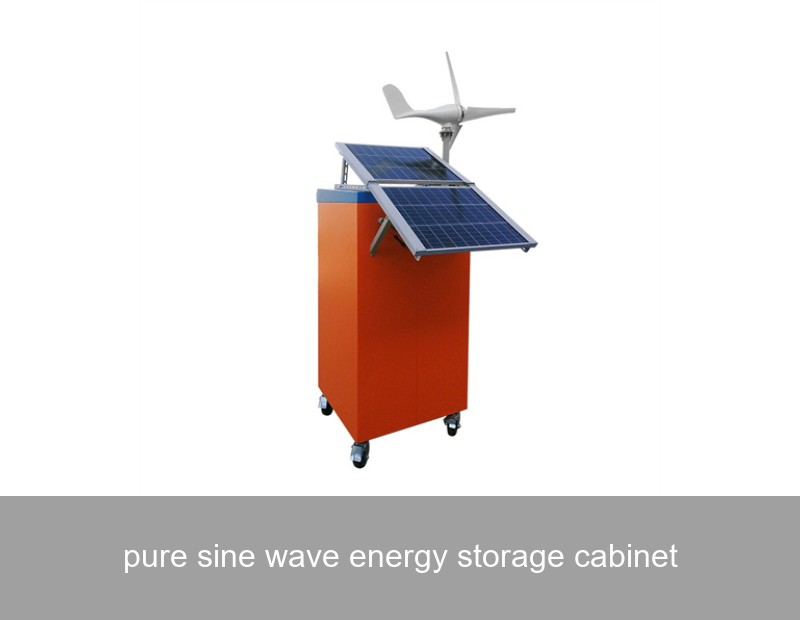
Imagine this: you've invested in a state-of-the-art solar array for your factory or data center. The sun is shining, your panels are generating pristine DC electricity, but the sensitive medical equipment on-site suddenly malfunctions, or your server farm experiences unexplained data corruption. The culprit? Often, it's not the energy source itself, but the quality of the power delivered to your critical loads. This is where the unsung hero of modern energy systems comes in: the pure sine wave energy storage cabinet. More than just a battery box, this integrated system is the final, critical gatekeeper ensuring that the clean energy you generate or store is delivered in the cleanest, most stable form possible.
Table of Contents
- What is a Pure Sine Wave & Why Does It Matter?
- The Energy Storage Cabinet's Crucial Role
- Beyond Batteries: The Intelligent Power Conversion Core
- A Real-World Case: Data Center Resilience in Frankfurt
- The Highjoule Solution: Engineered for Critical Power Quality
- Choosing the Right System for Your Application
What is a Pure Sine Wave & Why Does It Matter?
To understand the value, let's talk about the "shape" of electricity. Mains power from the grid is delivered as a smooth, rolling wave called a pure sine wave. This is the natural, ideal form that advanced electronics, motors, and medical equipment are designed to expect.
However, many basic inverters and power supplies output a "modified sine wave" or a "square wave"—essentially a jagged, stepped approximation. For simple lights or tools, this might be fine. But for sophisticated technology, this poor power quality can cause:
- Audible Noise & Overheating: Motors and transformers hum, run hotter, and have reduced lifespans.
- Performance Issues: Computers crash, medical imaging displays show artifacts, and industrial PLCs (Programmable Logic Controllers) fault.
- Unexplained Damage: Cumulative stress on components leads to premature failure.
A study by the Electric Power Research Institute (EPRI) highlights that power quality issues cost U.S. industry billions annually in downtime and equipment damage. In an era of renewable energy, the inverter's output waveform becomes paramount.

Image Source: Power Electronics News (Illustrative comparison of waveform quality)
The Energy Storage Cabinet's Crucial Role
So, where does the energy storage cabinet fit in? Think of it as the complete power station. It's not just a passive container for batteries. A high-end cabinet, like those engineered by Highjoule, integrates three core subsystems:
- The Battery Bank: The energy reservoir (often Lithium Iron Phosphate - LFP for safety and longevity).
- The Battery Management System (BMS): The brain that monitors cell health, ensures balance, and guarantees safety.
- The Pure Sine Wave Inverter/Charger: The heart of the system. This bidirectional component converts stored DC battery power to flawless AC for your loads, and grid AC to DC for charging, all while maintaining perfect waveform integrity.
Beyond Batteries: The Intelligent Power Conversion Core
This last component is what separates a basic backup battery from a true pure sine wave energy storage cabinet. Highjoule's systems utilize advanced power electronics with high switching frequencies and sophisticated filtering. This technology ensures the output is a smooth, low-distortion sine wave, typically with Total Harmonic Distortion (THD) below 3%. This is cleaner than some grid power!
| Waveform Type | THD (Typical) | Suitability for Equipment |
|---|---|---|
| Pure Sine Wave (Highjoule Standard) | < 3% | All equipment: Sensitive electronics, medical devices, motors, audio/video. |
| Modified Sine Wave | > 20% | Limited: Resistive loads (heaters, incandescent lights) only. Risks damage to sensitive tech. |
| Square Wave | Extremely High | Very Basic tools only. Not recommended for modern applications. |
A Real-World Case: Data Center Resilience in Frankfurt
Let's look at a concrete example from our European operations. A mid-sized colocation data center in Frankfurt, Germany, faced dual challenges: increasing grid instability and a corporate mandate for 100% renewable power. They used on-site solar, but during cloud cover or at night, they relied on the grid, which occasionally introduced sags and transients affecting their high-performance computing (HPC) clusters.
The Solution: Highjoule deployed a 500 kWh pure sine wave energy storage cabinet system, the HPC Series, alongside their solar PV. The system was configured for peak shaving and uninterruptible power supply (UPS) functionality.
The Data-Driven Outcome (12 months post-installation):
- 100% Power Quality Uptime: Zero equipment malfunctions attributed to power quality since commissioning.
- 42% Reduction in Grid Peak Demand Charges: The system seamlessly discharged during high-tariff periods.
- Increased Renewable Self-Consumption: Solar usage on-site jumped from 55% to over 90%.
- Seamless Transfers: During 4 brief grid outages, the transfer to storage was "breakless" and the pure sine wave output prevented any disruption to the HPC workloads.
This case, documented in partnership with the facility managers, underscores that the value lies not just in having backup power, but in having high-fidelity backup power that active, sensitive loads demand.

Image Source: Unsplash (Representative image of a professional energy storage installation)
The Highjoule Solution: Engineered for Critical Power Quality
Since 2005, Highjoule has specialized in designing energy storage systems where reliability and power quality are non-negotiable. Our pure sine wave energy storage cabinets are built with this philosophy at their core.
Our product lines, such as the Commercial ESS Series and the Industrial Microgrid Series, feature:
- Ultra-Low Distortion Inverters: Guaranteed pure sine wave output with THD <3% for all models, protecting your most valuable assets.
- Integrated Energy Management System (EMS): This smart software layer goes beyond the BMS, optimizing charge/discharge cycles based on tariff, weather forecasts, and load patterns, maximizing ROI.
- Modular & Scalable Design: Start with what you need and add cabinets as your energy needs grow, with seamless communication between units.
- Global Safety Certifications: All systems meet or exceed UL, IEC, and CE standards for safety and performance, a critical requirement for both the U.S. and European markets.
We don't just sell cabinets; we provide a complete power resilience partnership, from initial site audit and design to long-term performance monitoring via our cloud-based Highjoule Nexus platform.
Choosing the Right System for Your Application
How do you know if you need a pure sine wave energy storage cabinet? Ask these questions:
- Does my facility house sensitive electronics (servers, lab equipment, precision manufacturing tools)?
- Am I experiencing unexplained equipment resets or failures?
- Is my goal to achieve true energy independence with solar/wind, not just partial backup?
- Do I operate in a region with an aging grid or frequent power quality events?
If you answered "yes" to any, the investment in a pure sine wave system is not an expense; it's an insurance policy for your operational continuity and capital equipment.
The energy transition is about more than just sourcing green electrons; it's about delivering them with unwavering quality and reliability. The pure sine wave energy storage cabinet is the cornerstone that makes this possible for demanding commercial and industrial applications.
What's the most critical piece of equipment in your operation that you couldn't afford to have compromised by poor power quality, even for a single cycle?
 Inquiry
 Online Chat