


What Energy Source Does a Solar Panel Use? Unveiling the Power of the Sun
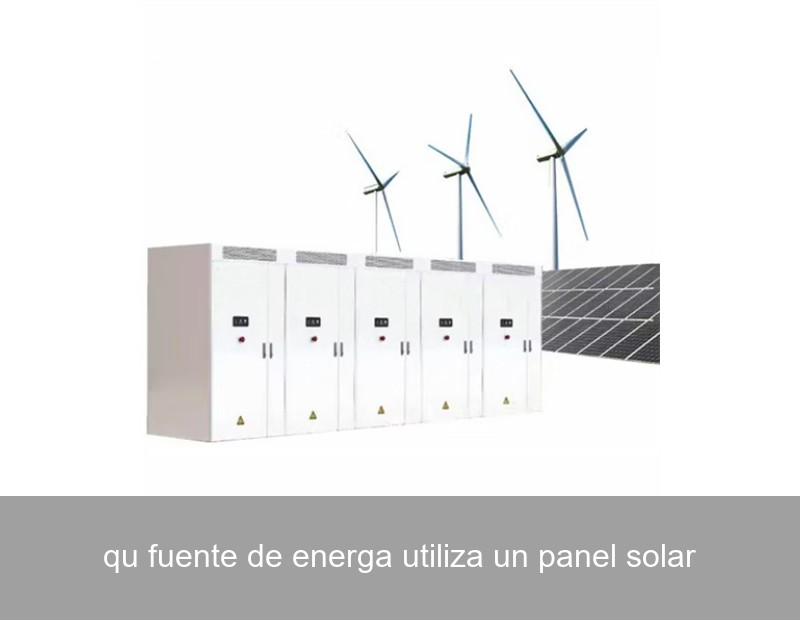
It's a bright, clear day, and you see solar panels gleaming on a rooftop. A simple question pops into your head: qué fuente de energía utiliza un panel solar? What is the actual energy source that makes these sleek rectangles generate electricity? The answer seems obvious—sunlight. But the real story is far more fascinating. Solar panels don't just "use" sunlight like a car uses gasoline. They perform a silent, elegant physics miracle, converting the sun's radiant energy directly into usable electrical power. This process, and more importantly, how we harness and manage that power, is the key to a sustainable energy future for homes and businesses across Europe and the United States.
From Photons to Electrons: The Photovoltaic Effect Explained
At the heart of every solar panel are photovoltaic (PV) cells, typically made from silicon. These cells are the stage where the main event occurs. So, let's break down the process:
- The Energy Source: It all begins with the sun, a massive nuclear fusion reactor 93 million miles away. It constantly emits energy in the form of electromagnetic radiation, which includes visible light, ultraviolet, and infrared rays. This energy travels to Earth in discrete packets called photons.
- The Interaction: When these photons strike the semiconductor material (like silicon) in a PV cell, they can transfer their energy to electrons in the material.
- The Flow: This energy boost "knocks" electrons loose, allowing them to flow freely. The clever design of the PV cell—with its positive (p-type) and negative (n-type) silicon layers—creates an internal electric field that forces these freed electrons to move in a specific direction: a direct current (DC).
In essence, a solar panel's primary energy source is the photon stream from the sun. It's a direct conversion with no moving parts, no emissions, and no noise. According to the U.S. Department of Energy, the amount of sunlight that strikes the earth's surface in an hour and a half is enough to handle the entire world's energy consumption for a full year. That's the immense, untapped potential we're working with.

Image source: Unsplash - Photons from sunlight interacting with solar PV cells.
Beyond the Panel: The Complete Solar Energy System
While the panel captures the energy, it's just one component of a functional system. The raw DC electricity produced isn't compatible with the alternating current (AC) used by your home appliances or the grid. Here’s where other crucial components come in:
- Inverter: This device is the translator, converting the DC electricity from your panels into AC electricity.
- Mounting System & Wiring: The physical infrastructure that secures the panels and safely transports the electricity.
- Monitoring System: Tracks your system's production and health in real-time.
But there's one more component that is transforming solar from a supplemental power source into a primary one: the energy storage system, or battery.
Maximizing Your Solar Investment: The Critical Role of Energy Storage
Here's a fundamental challenge: the sun doesn't shine 24/7, but your energy needs don't stop at sunset. This mismatch between production and consumption is the single biggest limitation of solar alone. Without storage, excess energy produced on a sunny afternoon often gets fed back to the grid for a small credit, while you draw expensive power from the grid at night.
This is where companies like Highjoule change the game. Founded in 2005, Highjoule is a global leader in advanced energy storage solutions. We don't just see solar panels; we see an integrated energy ecosystem. Our intelligent battery storage systems, like the Highjoule Harmony Series for residential applications and the Highjoule Titan Series for commercial and industrial use, are designed to capture every kilowatt-hour your panels produce. By storing surplus solar energy, you can use it on demand—during evening peak rates, during grid outages, or on cloudy days. This turns a solar installation from a cost-saver into a true energy independence asset.
| Aspect | Solar PV System Only | Solar PV + Highjoule Storage System |
|---|---|---|
| Energy Source Used | Sunlight (during daytime) | Sunlight + Stored Solar Energy (24/7) |
| Power Availability | Intermittent (daytime, sunny) | Continuous & On-Demand |
| Self-Consumption | Typically 30-50% | Can exceed 80-90% |
| Grid Dependence | High (especially at night) | Minimal to None |
| Resilience | No power during grid outages | Backup power during outages |
Real-World Case Study: A German Bakery's Recipe for Energy Independence
Let's look at a concrete example from Bavaria, Germany. A mid-sized family bakery with high energy consumption for ovens, refrigeration, and lighting had installed a 100 kW rooftop solar array. While it reduced their daytime grid draw, they were still paying high fees for grid power in the early morning and evening hours, and their night-time operations relied entirely on the grid.
The Challenge: To maximize the use of their self-generated solar power, reduce peak demand charges, and ensure their refrigeration remained operational during brief grid fluctuations.
The Solution: The bakery integrated a Highjoule Titan C&I 150 kWh battery storage system with their existing solar PV. The system was configured to charge from the solar surplus and strategically discharge during their identified high-consumption periods (early morning bake-off and evening peak).
The Data-Driven Result (12-month period):
- Grid Energy Consumption: Reduced by 68%.
- Self-Consumption of Solar: Increased from 41% to 89%.
- Peak Demand Charges: Reduced by approximately 40%.
- ROI Projection: Achieved in under 7 years, thanks in part to Germany's supportive energy policies for storage.
This case, documented in a Fraunhofer ISE report on commercial PV trends, illustrates perfectly how pairing the sun's energy with smart storage unlocks the full economic and operational potential of solar.

Image source: Unsplash - Commercial businesses like bakeries benefit greatly from solar plus storage.
Choosing the Right System for Your Needs
Understanding that solar panels use the sun's photons is the first step. The next step is designing a system that makes that energy work tirelessly for you. Whether you're a homeowner in California looking for backup power and bill security, or a factory manager in Italy aiming to meet ESG goals and lock in energy costs, the principle is the same.
Highjoule's expertise spans the entire spectrum. From our compact, user-friendly Harmony systems for residential villas to our scalable, containerized Titan Megapack solutions for industrial sites and microgrids, we provide the intelligent hardware and software to make your renewable energy journey seamless and profitable. Our systems are designed for the specific grid dynamics and incentive structures in both European and U.S. markets.
So, while the solar panel's energy source is a constant—the glorious sun—how you capture, store, and manage that energy is the variable that defines your success. With the right storage partner, you're not just installing technology; you're building a resilient, cost-controlling, and sustainable energy foundation for the future.
 Inquiry
 Online Chat