


What Energy Do Solar Panels Use? Unlocking the Power of the Sun
You've seen them on rooftops and in vast fields: solar panels silently converting sunlight into electricity. But have you ever stopped to ask, what energy do solar panels actually use? The answer seems obvious—sunlight. Yet, the journey from a sunbeam to powering your home appliances is a fascinating tale of physics, technology, and intelligent energy management. For homeowners and businesses across Europe and the U.S., understanding this process is the first step toward energy independence and sustainability. Let's demystify the core energy source behind photovoltaics and explore how pairing it with modern storage solutions, like those from Highjoule, creates a truly resilient and efficient power system.
The Primary Fuel: More Than Just Sunlight
Technically, solar panels use the radiant energy from the sun's photons. These are massless particles that travel 93 million miles to reach Earth, carrying energy in waves. However, the panel's effectiveness depends on more than just a bright day. The spectrum of light, the angle of incidence, and even ambient temperature play crucial roles.
Think of it this way: the sun provides the raw "fuel," but the solar panel is a highly specialized engine designed to run on a specific part of that fuel—primarily visible light and some infrared radiation. It cannot use thermal energy (heat) directly; in fact, excessive heat can reduce a panel's efficiency. This is a key distinction often overlooked. The panel's job is singular: to convert photon energy into direct current (DC) electricity. What happens to that electricity next is where the real magic of modern solar systems begins.
From Photons to Electrons: The Conversion Process
The core technology, the photovoltaic (PV) cell, is typically made of silicon. When photons strike the cell, they can transfer their energy to electrons in the silicon atoms, knocking them loose. This creates an electrical imbalance—a voltage—across the cell. By connecting many cells in a panel and panels in an array, we generate usable DC power.

Image: A close-up view of photovoltaic cells converting sunlight into electricity. (Source: Unsplash)
This DC electricity, however, isn't compatible with the alternating current (AC) grids that power our homes and businesses. That's where the inverter comes in, acting as the brain of the solar array to convert DC to AC. But here lies a fundamental challenge: the primary energy source is inherently intermittent. Clouds pass, night falls, and seasons change. This intermittency is the single biggest hurdle for pure solar power, creating a mismatch between energy production and consumption patterns.
The Critical Role of Storage: Completing the Cycle
So, if solar panels only produce energy when the sun shines, how do we keep the lights on at night or during a storm? The answer transforms a solar installation from a supplementary power source into a primary one: energy storage.
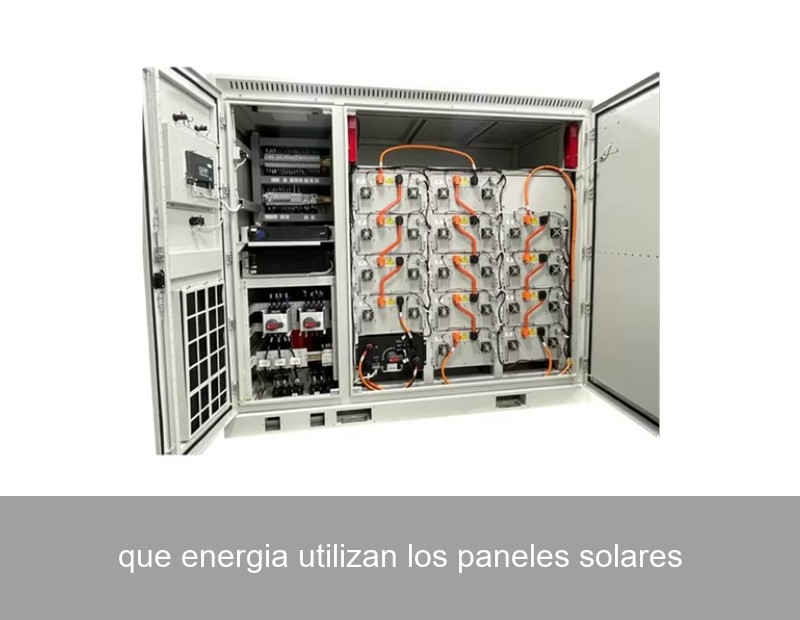
This is where companies like Highjoule enter the picture. By storing excess solar energy produced during peak sunlight hours, a battery energy storage system (BESS) ensures that the clean energy you generate doesn't go to waste. It bridges the gap between production and demand. Highjoule's intelligent storage solutions, such as the Highjoule H-Series Commercial and Industrial systems, are engineered to seamlessly integrate with solar arrays. They don't just store energy; they manage it with sophisticated software that learns your consumption patterns, maximizes self-consumption of solar power, and can even provide backup power during grid outages.
- For Homeowners: Highjoule's residential systems allow you to use your solar energy around the clock, drastically reducing reliance on the grid and protecting against power interruptions.
- For Businesses: The solution shifts from mere cost-saving to energy security and sustainability reporting. Storage enables load-shifting, peak shaving, and participation in grid services.
Real-World Case Study: A German Bakery's Recipe for Energy Resilience
Let's look at a concrete example from Bavaria, Germany. A mid-sized artisanal bakery with high energy demands for ovens and refrigeration installed a 120 kW solar PV system on its factory roof. While it covered daytime operations, evening baking shifts and cloudy days still required expensive grid power. More critically, brief grid fluctuations risked spoiling inventory.
Their solution was integrating a Highjoule C&I battery storage system with 250 kWh capacity. The results, monitored over one year, were compelling:
| Metric | Before Highjoule BESS | After Highjoule BESS Integration |
|---|---|---|
| Solar Self-Consumption | 35% | 89% |
| Grid Energy Draw During Peak Hours | 100% of needs | Less than 10% |
| Energy Cost Savings (Annual) | Baseline | €18,500 |
| CO2 Emissions Reduction | ~25 tons/year (solar only) | ~58 tons/year (solar + storage) |
The bakery now runs its critical cooling systems on backup power during grid dips, ensuring zero spoilage. This case illustrates that the true potential of solar energy is only unlocked when paired with smart storage, transforming intermittent photons into a reliable, dispatchable power source.
Optimizing Your Solar Energy: Technology Makes the Difference
Not all storage is created equal. The efficiency of storing and retrieving energy, the battery's lifespan, and the intelligence of its management system are paramount. Highjoule systems utilize advanced lithium-iron-phosphate (LFP) battery chemistry, known for its safety, long cycle life, and stability. Coupled with Highjoule's proprietary energy management system (EMS), the platform makes real-time decisions to optimize your energy flow.

Image: A modern, scalable battery energy storage system for commercial use. (Source: Unsplash)
This EMS can be configured for various goals: maximize self-consumption, participate in demand response programs (common in U.S. markets like California or Texas), or ensure critical backup. It turns a simple battery into a strategic energy asset. For more on grid services and storage, see this overview from the U.S. Department of Energy.
Beyond the Panel: Your Smart Energy Ecosystem
So, when we ask "what energy do solar panels use," the complete answer is: They use photon energy, but their output is transformed into a 24/7 reliable resource through intelligent storage and management. For a utility-scale microgrid project, a manufacturing plant in Ohio, or a suburban home in Spain, the principle is the same.
Highjoule's expertise lies in designing these integrated ecosystems. From initial consultancy and system design to installation and lifetime monitoring, Highjoule provides an end-to-end solution that ensures your solar investment works harder for you. The company's global experience, backed by nearly two decades of innovation since 2005, means their systems are tailored to diverse grid regulations and climatic conditions in Europe and North America. Understanding energy storage is crucial, and resources like the International Energy Agency's reports provide valuable macro-level insights.
Ready to move beyond just generating solar energy and start fully controlling it? What would energy independence and resilience mean for your home or business operations?
 Inquiry
 Online Chat