


Renewable Energy for Residential Homes: Your Guide to Energy Independence
Imagine a home that not only shelters your family but also powers it—quietly, cleanly, and with a growing degree of independence from the grid. This isn't a futuristic dream. Across neighborhoods in California, suburbs in Texas, and towns in Germany, a quiet revolution is underway. Renewable energy for residential homes has moved from a niche eco-statement to a mainstream solution for energy security, cost savings, and environmental stewardship. But what does a modern home energy system really look like beyond the solar panels on the roof? And how can you ensure it delivers on its promise for decades?
The Quiet Revolution in Your Home
Gone are the days when residential renewable energy simply meant installing solar panels and sending excess power back to the utility. Today, it's about creating a personalized, resilient ecosystem. Homeowners are now looking for systems that capture sunshine, store it for when they need it most, and intelligently manage consumption. The goal? To maximize self-use of clean energy, protect against outages, and turn the home into an efficient, responsive unit of the broader energy network.
Why Now? The Data Driving the Shift
The surge in adoption isn't accidental. It's a direct response to several converging factors. Firstly, the economics have flipped. The cost of solar photovoltaic (PV) modules has fallen by over 80% in the last decade (IRENA, 2023). Secondly, grid instability is a growing concern, from winter storms in the U.S. to voltage fluctuations in aging European networks. Thirdly, supportive policies like tax credits (e.g., the U.S. Investment Tax Credit) and feed-in tariffs in Europe have lowered the barrier to entry.
But here's the critical insight: solar panels alone only solve part of the puzzle. Without storage, much of the energy generated in the midday sun is exported to the grid, often at low rates, leaving you drawing expensive power from the grid in the evening. The true modern solution is integrated.
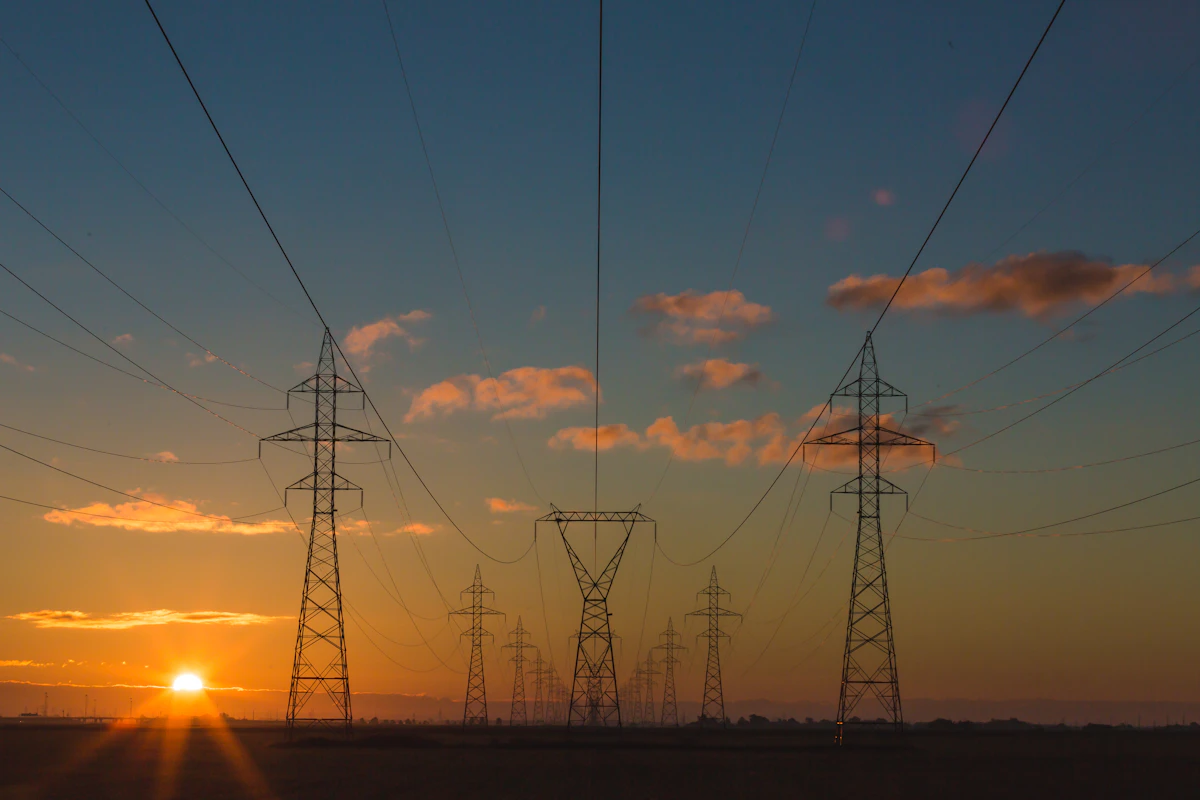
Image Source: Unsplash - A modern home integrated with renewable energy.
Beyond Solar Panels: The Complete System
A robust residential renewable energy system typically consists of three core components:
- Generation: Solar PV panels are the most common. They convert sunlight into direct current (DC) electricity.
- Storage: The game-changer. A home battery system stores surplus solar energy for use at night or during outages.
- Energy Management: The intelligent software that orchestrates everything, deciding when to store, use, or export energy.
The Heart: Battery Storage
Not all batteries are created equal. Key considerations include:
- Chemistry: Lithium-ion phosphate (LFP) is becoming the preferred standard for homes due to its longer lifespan, superior thermal stability, and lack of cobalt.
- Usable Capacity: Measured in kilowatt-hours (kWh), this tells you how much energy you can actually use. A typical home might need 10-20 kWh of storage to cover evening usage.
- Power Rating: Measured in kilowatts (kW), this determines how many appliances you can run simultaneously from the battery. Need to power an EV charger and your air conditioning? You'll need a high power rating.
The Brain: Energy Management
This is where "smart" truly comes in. A good energy management system (EMS) can:
- Prioritize charging your battery before exporting to the grid.
- Sync with time-of-use utility rates to avoid drawing power during expensive peak hours.
- Enable "storm watch" modes that automatically fully charge the battery ahead of severe weather.
Case Study: The Müller Family, Berlin
Let's look at a real example. The Müller family lives in a single-family home in Berlin. In 2022, they installed a 8 kW solar array paired with a 15 kWh battery storage system. Their goals were to reduce their carbon footprint and insulate themselves from rising energy prices.
| Metric | Before System (2021) | After System (2023) | Change |
|---|---|---|---|
| Grid Electricity Purchased | 4,800 kWh/year | 950 kWh/year | -80% |
| Annual Electricity Bill | €1,780 | €380 | -79% |
| Self-Consumption of Solar Power | N/A | 92% | N/A |
The high self-consumption rate is key. It means almost all the clean energy they produce is used in their home, thanks to the battery storing daytime production for evening use. The system paid for itself in under 7 years, and with a battery warranty of 15 years, they have years of nearly free, resilient power ahead. This tangible outcome is what modern renewable energy for residential homes is all about.
Choosing the Right System for Your Home
Selecting a system isn't one-size-fits-all. Key questions to ask include:
- What are your primary goals? (Bill savings, backup power, full independence?)
- What is your home's energy profile? Review past utility bills to understand your consumption patterns.
- Is your electrical panel modern? An older home may need a panel upgrade to handle a new system safely.
- What is the local climate and policy landscape? Solar yield differs in Spain vs. Sweden, and incentives vary wildly.
How Highjoule Powers Smarter Homes
This is where expertise and quality hardware become non-negotiable. At Highjoule, with nearly two decades of experience since 2005, we design systems that are more than the sum of their parts. Our Residential Energy Hub is built around our high-cycle life LFP battery modules, known for their safety and longevity. They are seamlessly integrated with our Home Energy Operating System (HEOS), an intelligent platform that optimizes your energy flow in real-time.
For example, HEOS can be configured to ensure your battery reserves enough power for a potential overnight outage while still maximizing day-to-day savings. For homeowners with electric vehicles, our systems can be configured to manage EV charging loads intelligently, using surplus solar or off-peak grid power. We don't just sell components; we provide a guaranteed performance ecosystem, backed by long-term warranties and 24/7 system monitoring, giving homeowners in Europe and the U.S. true peace of mind.

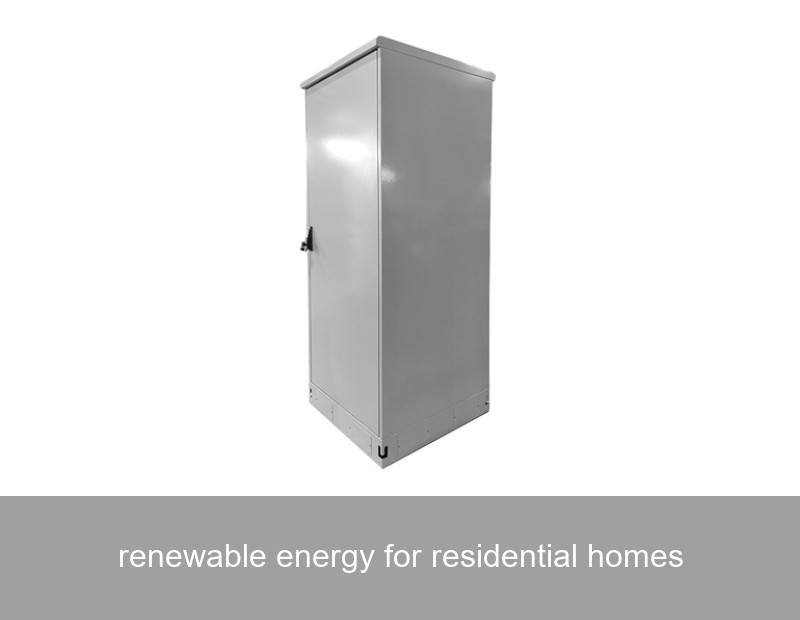
Image Source: Unsplash - A sleek home battery storage system.
What Does the Future Hold for Your Home?
The journey towards a fully sustainable home is accelerating. We're moving towards systems that not only manage internal power but also interact dynamically with the grid, providing stability and earning homeowners revenue through virtual power plant (VPP) programs. The home is becoming an active node in the clean energy transition.
So, as you consider renewable energy for your residential home, ask yourself this: When you look at your next energy bill or hear about a grid advisory, will you wonder what it's like to have control, or will you be experiencing it firsthand?
 Inquiry
 Online Chat