


Understanding Solar Power Load Shedding: A Modern Energy Dilemma and Its Smart Solutions
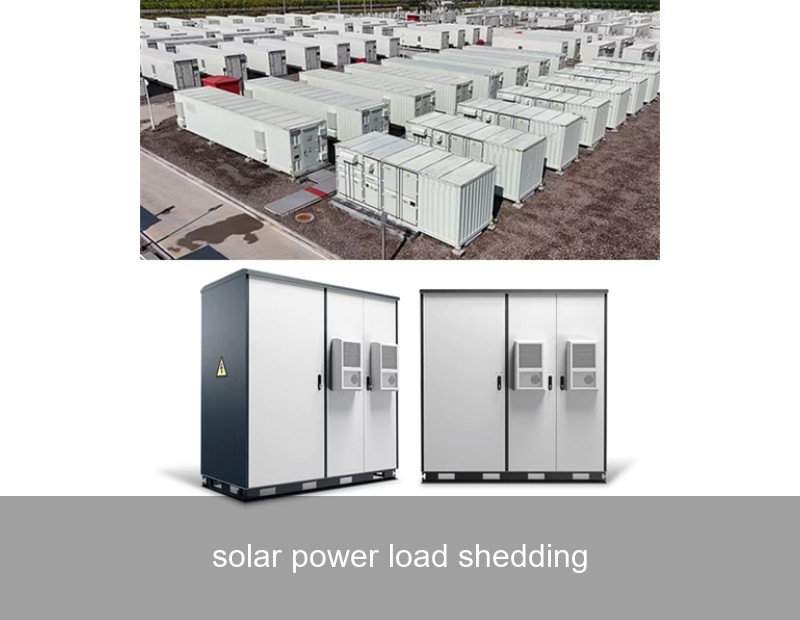
You've made the smart switch to solar. Your panels are gleaming on the roof, and you're proud to be generating clean energy. But then, on a cloudy afternoon or during a sudden grid strain, you hear the news: load shedding is in effect. Your solar system seems to go quiet, and you're left wondering, "Why am I experiencing a blackout when I have solar power?" This frustrating scenario, known specifically as solar power load shedding, is a growing pain point for homeowners and businesses across the U.S. and Europe. It highlights a critical gap between simply generating solar energy and having truly resilient, intelligent power. Let's unravel this phenomenon and explore how the right technology can turn your solar investment into an unwavering source of power, day and night.
Table of Contents
What Exactly is Solar Power Load Shedding?
First, let's clarify the term. Load shedding is a utility's deliberate action to cut off power to certain areas to prevent a total grid collapse during periods of extreme demand or supply shortage. Now, pair that with solar power. Most standard grid-tied solar installations are designed to shut down automatically during a grid outage—a safety feature called "anti-islanding." This means when the grid goes down for load shedding, your solar panels stop powering your home, even if the sun is shining. You are effectively "shed" along with everyone else. This isn't just an inconvenience; for businesses, it can mean lost revenue, and for households, it can compromise safety and comfort.
The Data: Grid Instability and the Solar Paradox
The need for load shedding is often a symptom of a stressed grid. Look at the data:
- In the United States, the average duration of a power outage has increased in recent years, with major events like wildfires and storms causing prolonged disruptions.
- Europe faces its own challenges, with aging infrastructure and the push to electrify heating and transport increasing demand volatility.
- Paradoxically, high solar penetration can sometimes exacerbate grid instability. The famous "duck curve" in California shows a sharp drop in net grid demand during sunny afternoons when solar output is high, followed by a rapid ramp-up as the sun sets. This steep transition can strain traditional power plants, making the grid more vulnerable to instability and, in worst cases, triggering preventive load shedding.
This creates a frustrating situation: your solar panels are reducing strain on the grid during the day, but you still bear the brunt of its failures. The key to breaking this paradox lies in adding intelligence and storage to your solar array.

Image Source: U.S. Department of Energy, illustrating the "duck curve" of net grid demand.
The Solution: Beyond Panels to Intelligent Energy Storage
The answer to solar power load shedding is not more panels, but a smarter energy ecosystem. A complete solar-plus-storage system decouples you from grid interruptions. Here’s how it works:
- Energy Storage: A battery system, like a lithium-ion battery bank, stores the excess solar energy you produce during the day.
- Intelligent Management: A sophisticated energy management system (EMS) acts as the brain. It monitors grid health, your energy production, and consumption patterns.
- Seamless Transition: When the grid fails, the EMS automatically and instantly disconnects your home or business from the grid (forming a "microgrid") and switches to powering your critical loads from the stored energy in the batteries. Your solar panels can continue to operate and recharge the batteries, all while keeping your lights on.
This transforms your property from a passive grid consumer into an active energy-resilient node.
Case Study: Resilience in Napa Valley, California
Consider the real-world example of a premium winery in Napa Valley. Their operations—from temperature-controlled fermentation tanks to tasting room facilities—are critically dependent on stable power. Seasonal heatwaves, which coincide with harvest, often lead to utility-initiated Public Safety Power Shutoffs (PSPS) to prevent wildfires—a form of load shedding.
The Challenge: Protect millions of dollars worth of wine and maintain business continuity during multi-day grid outages.
The Solution: The winery installed a Highjoule Industrial Energy Vault (IEV) system, paired with their existing solar array. The 500 kWh battery storage system is managed by Highjoule's AI-powered GridSynergy EMS.
The Data-Driven Outcome: During a 48-hour PSPS event in September 2023, the winery's internal data showed:
| Metric | Result |
|---|---|
| Energy Used from Grid | 0 kWh |
| Solar Energy Self-Consumed | 312 kWh |
| Battery Energy Discharged | 488 kWh |
| Production & Business Operations | Uninterrupted |
| Estimated Revenue & Product Saved | >$250,000 |
How Highjoule's Smart Storage Systems Provide the Answer
At Highjoule, with nearly two decades of expertise since 2005, we design storage solutions specifically to solve problems like solar power load shedding. Our systems are engineered for intelligence, durability, and seamless integration.
For residential clients, our Home Energy Hub is more than just a battery. It's an integrated system that provides:
- Backup Power: Automatic switchover to keep essential circuits running during outages.
- Energy Bill Optimization: Use stored solar energy during peak evening rate periods, maximizing your savings through intelligent, forecast-based charging and discharging.
- Grid Support: Optional participation in utility programs that reward you for supporting grid stability.
For commercial and industrial applications, our Industrial Energy Vault (IEV) series and Microgrid Controller offer:
- Demand Charge Reduction: Smooth out power spikes by discharging batteries during short periods of high demand, significantly reducing a major line item on utility bills.
- Mission-Critical Resilience: Ensure continuous operation for data centers, manufacturing lines, or cold storage facilities.
- Scalable Architecture: Systems can be scaled from hundreds of kWh to multiple MWh to meet any site's requirements.

Image Source: Highjoule - A deployed Industrial Energy Vault system.
The Future is Intelligent and Decentralized
The trend is clear. The International Energy Agency highlights that energy storage is the crucial enabler for secure, clean energy transitions. As grids evolve and climate-related disruptions become more common, the combination of solar + smart storage is shifting from a premium option to a fundamental component of a modern energy plan. It's about taking control, achieving true energy independence, and building local resilience that benefits both the individual and the wider community.
Ready to Redefine Your Solar Investment?
Your solar panels have the potential to be your ultimate power security. The missing link is intelligent storage. What would uninterrupted power mean for your home comfort or your business's bottom line during the next grid event? We invite you to explore how a Highjoule system can be tailored to permanently solve your solar power load shedding concerns and unlock the full value of your renewable energy.
 Inquiry
 Online Chat