


The Rise of Smart Renewable Energy Systems in Canada: A Powerhouse of Opportunity
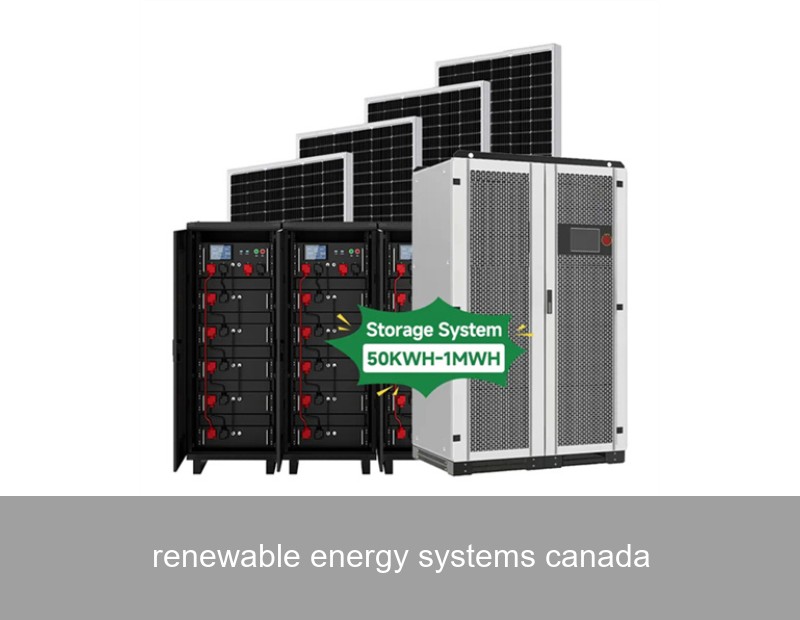
Canada, a land of vast natural resources and dramatic seasons, is undergoing a quiet energy revolution. From the windswept coasts of Nova Scotia to the sun-drenched plains of Alberta, a growing number of homeowners, businesses, and communities are asking a pivotal question: How can we harness our abundant renewable resources not just to generate power, but to create reliable, resilient, and intelligent energy systems? The answer lies in the sophisticated integration of generation and storage—moving beyond simple solar panels to comprehensive, smart renewable energy systems Canada can rely on year-round. This shift is driven by a desire for energy independence, economic savings, and a tangible commitment to a sustainable future. As a global leader in advanced energy storage since 2005, Highjoule is at the forefront of this transformation, providing the intelligent battery solutions that make these modern renewable systems not only possible but profoundly powerful.
Table of Contents
The Canadian Context: More Than Just Hydro
While Canada is famously a global leader in hydropower, its renewable energy landscape is becoming beautifully diverse. Provincial incentives, falling technology costs, and increasing climate awareness are fueling a solar PV boom in Ontario and Alberta. Wind power is a growing force in Quebec, Saskatchewan, and the Maritimes. However, the Canadian environment presents unique challenges: long winter nights reduce solar output, extreme temperature fluctuations can stress equipment, and remote communities often depend on expensive, polluting diesel generators. This creates a common phenomenon: renewable energy is generated, but not always when it's needed most. The result can be wasted potential and continued reliance on the traditional grid or fossil fuels.

Image Source: Unsplash - Illustrating the seasonal challenges for renewables in Canada.
The Missing Link: Energy Storage in Renewable Systems
This is where the conversation evolves from "renewable generation" to "smart renewable energy systems." The critical component? Advanced battery energy storage systems (BESS). Think of storage as the heart of a modern energy system. It:
- Time-Shifts Energy: Stores excess solar power from a sunny afternoon to use during the evening peak or a dark winter morning.
- Provides Resilience: Keeps essential loads running during grid outages, a crucial feature for areas prone to ice storms or wildfires.
- Stabilizes the Grid: For commercial and microgrid applications, storage can provide frequency regulation, reducing strain on local infrastructure.
Without storage, a renewable system is often leaving significant value—both economic and operational—on the table.
Data Drives Change: The Economics of Storage
Let's talk numbers. According to a report from the Government of Canada's Natural Resources department, the levelized cost of energy (LCOE) for solar PV has fallen by over 80% in the last decade. Pair this with the evolving economics of storage. While upfront costs exist, the financial benefits are multi-faceted:
| Benefit Stream | Residential Impact | Commercial/Industrial Impact |
|---|---|---|
| Increased Self-Consumption | Reduce grid imports by 60-80% | Dramatically reduce peak demand charges |
| Backup Power | Value of avoided disruption | Prevents data loss & operational downtime |
| Grid Services | Potential future revenue (VPPs) | Revenue from frequency regulation markets |
The logic is a compelling staircase: Phenomenon (intermittent renewables) → Problem (wasted energy, lack of resilience) → Solution (integrated storage) → Data (proven cost reductions & ROI) → Adoption.
Case Study: A Nova Scotia Community's Winter Resilience
Consider the real-world example of a small community in rural Nova Scotia. Facing frequent winter grid instability and high electricity costs, they embarked on a project to build a community microgrid. The system included a 500 kW solar array coupled with a 1 MWh battery energy storage system. The results, monitored over two years, were striking:
- Diesel Displacement: Reduced diesel generator runtime by over 90%, cutting fuel costs and emissions.
- Outage Protection: Provided seamless backup power for community essential services during multiple storm-induced grid failures.
- Financial Return: Achieved an estimated payback period of under 7 years, factoring in avoided fuel costs and maintenance.
This case, documented in part by the International Energy Agency's community microgrid research, exemplifies how integrated renewable energy systems Canada needs are solving local problems with global technology.

Image Source: Unsplash - Depicting a hybrid wind and solar farm.
Highjoule's Role: Intelligent Storage for Canadian Challenges
At Highjoule, we understand that a Canadian-grade energy storage solution must be more than just a battery in a box. It must be an intelligent, ruggedized, and safe system designed for harsh climates and sophisticated needs. Our product suite, from the residential Highjoule HomePower series to the industrial-scale Highjoule GridMax solutions, is engineered with this in mind.
Our systems feature advanced lithium-iron-phosphate (LFP) chemistry, known for its safety, long cycle life, and excellent performance across a wide temperature range—a must for Canadian winters and summers. More importantly, our proprietary EnergyOS software is the brain of the operation. It intelligently manages energy flow based on weather forecasts, electricity rates, and usage patterns, maximizing your return on investment and ensuring resilience. For a farm in Ontario, this might mean storing mid-day solar energy to power high-load irrigation systems at night. For a manufacturing facility in Quebec, it means automatically discharging the battery during peak grid demand periods to slash utility charges.
Building the Future-Proof Canadian Grid
The future of Canadian energy is decentralized, digital, and decarbonized. We are moving towards a network of interactive microgrids and virtual power plants (VPPs), where thousands of individual renewable energy systems can act in concert to support the broader grid. Highjoule's technology is inherently designed for this future. Our systems can aggregate to provide grid-scale services, turning communities from passive consumers into active participants in energy stability.
This isn't just about technology; it's about empowering choice. It's about giving a homeowner in Alberta control over their energy bills, enabling a remote First Nation community in British Columbia to achieve energy sovereignty, and helping a Nova Scotia business maintain operations through a nor'easter.
As you contemplate your own energy journey, what unique challenge—be it rising costs, reliability concerns, or sustainability goals—could a smart, integrated renewable and storage system solve for you?
 Inquiry
 Online Chat