


Navigating the Future: A Practical Guide to Renewable Energy Solutions (RES)
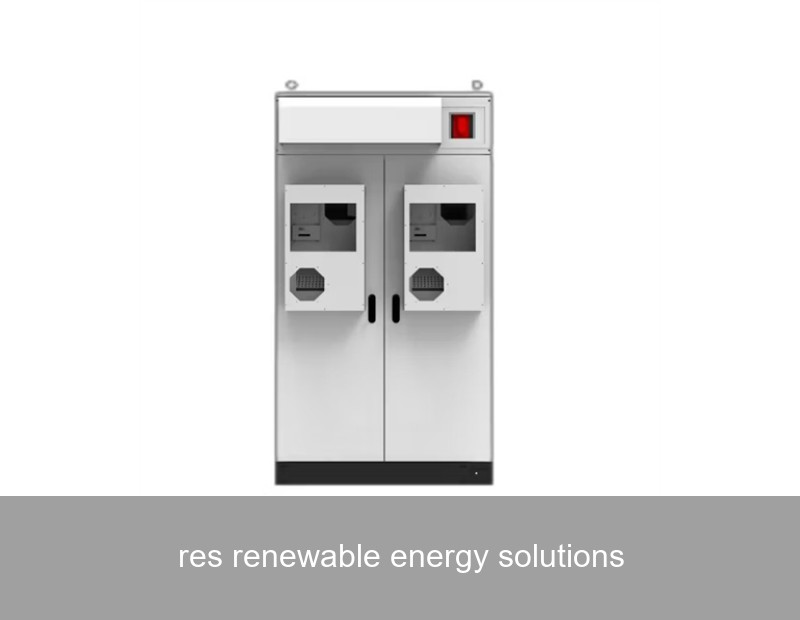
Have you ever looked at your electricity bill on a windy night and wondered, "Where is all that potential power going?" You're not alone. Across Europe and the US, businesses and homeowners are witnessing a paradox: renewable generation is soaring, yet energy costs and grid instability remain pressing concerns. The bridge between this abundance of green power and reliable, affordable electricity is built on intelligent Renewable Energy Solutions (RES). This isn't just about installing solar panels; it's about creating a resilient, self-sufficient energy ecosystem. Let's explore how modern RES are transforming energy from a mere utility into a strategic asset.
Table of Contents
The RES Imperative: More Than Just Generation
For decades, the conversation around renewables focused almost exclusively on generation—solar PV and wind turbines. And the growth has been phenomenal. According to the International Energy Agency (IEA), renewables are set to contribute 80% of new power capacity globally by 2030. But here's the catch: the sun doesn't always shine, and the wind doesn't always blow. This intermittency creates a fundamental mismatch between when energy is produced and when it's needed most.
This mismatch isn't just a technical hiccup; it has real-world consequences. It can lead to:
- Grid Strain: Surplus solar power at midday can overwhelm local grids, forcing utilities to curtail (waste) clean energy.
- Price Volatility: Energy prices can spike during peak evening hours when solar production falls but demand remains high.
- Missed Sustainability Goals: Without capturing and using self-generated power, organizations fail to maximize their carbon reduction and cost-saving potential.
Therefore, a true renewable energy solution must address the entire cycle: generation, storage, management, and consumption.

Modern RES integrate generation, like this solar array, with storage and smart management for true energy independence.
The Core Pillars of a Modern Renewable Energy Solution
So, what does a comprehensive RES look like? Think of it as a symphony with four key sections working in perfect harmony.
1. Intelligent Generation (The Producers)
This is your solar PV system, wind turbine, or other clean source. The "intelligent" part comes from advanced inverters and monitoring that optimize output in real-time and communicate seamlessly with other system components.
2. Advanced Energy Storage (The Bank)
The heart of modern RES. Battery Energy Storage Systems (BESS) store excess energy for use when generation is low. Not all batteries are created equal. Key considerations include:
| Battery Type | Pros | Ideal For |
|---|---|---|
| Lithium Iron Phosphate (LFP) | High safety, long cycle life, stable performance | Residential, Commercial, Daily Cycling |
| Lithium NMC | Higher energy density | Applications where space is a premium |
3. Smart Energy Management (The Conductor)
This is the brain. An Energy Management System (EMS) uses software and AI to make decisions: when to charge the batteries from the grid or solar, when to discharge to power your home or business, and when to potentially sell back to the grid. It maximizes self-consumption and financial return.
4. Seamless Integration & Monitoring (The Nervous System)
All components must communicate via a secure platform. Real-time monitoring dashboards give you full visibility and control over your energy flows, costs, and carbon savings from any device.
Data in Action: A Case Study from Bavaria
Let's move from theory to practice. Consider a mid-sized dairy processing plant in Bavaria, Germany. Facing high energy costs and strict sustainability targets, they implemented a turnkey RES.
- Phenomenon: High, fluctuating energy demand for cooling and processing, with expensive peak-time tariffs.
- Solution Deployed: A 550 kWp rooftop solar array paired with a 480 kWh Highjoule CubeStack battery system, all managed by Highjoule's Neuron EMS platform.
- Data & Results (First 12 Months):
- Self-Consumption of Solar Power: Increased from 35% to 92%.
- Peak Grid Demand Reduction: 40% reduction, drastically lowering capacity charges.
- Energy Cost Savings: €68,000 annually.
- Carbon Footprint: Reduced by 310 tonnes of CO2e.
The system's intelligence shines at 4 PM: solar production wanes, but the plant's chillers are still running. Instead of drawing expensive power from the grid, the EMS seamlessly discharges the stored battery energy, maintaining operations and slashing costs. This is the power of a fully integrated renewable energy solution.
Highjoule's Role: Integrating Intelligence into RES
As a global leader in advanced energy storage since 2005, Highjoule's mission is to provide the "glue" that turns individual components into a resilient, profitable energy system. We don't just manufacture hardware; we deliver intelligent, software-driven outcomes.
Our products and services are designed to be the cornerstone of your RES:
- The Highjoule CubeStack Series: Our flagship commercial & industrial BESS, built with safe, long-life LFP chemistry. Its modular design allows for scalable power (250 kW to MW+) and capacity, growing with your needs.
- The Highjoule Neuron Platform: This cloud-based EMS is the intelligence hub. It performs real-time energy arbitrage, peak shaving, and can integrate with grid services programs, all while providing you with a clear dashboard for performance tracking.
- Highjoule PowerShield for Homes: Our residential solution brings the same grid-forming technology and reliability to homeowners, ensuring backup power and bill savings.
- Full-Spectrum Support: From initial consultancy and system design to commissioning, remote monitoring, and maintenance, our team ensures your RES delivers value for decades.
By choosing a partner like Highjoule, you're not just buying a battery; you're investing in a future-proof energy strategy that adapts to changing tariffs, regulations, and your own consumption patterns. For more on grid integration challenges, the U.S. Department of Energy provides valuable resources.

Intelligent control systems, like Highjoule's Neuron platform, are crucial for optimizing RES performance.
The Road Ahead for Your Energy Independence
The transition to a renewable-powered world is undeniable. The question is no longer *if* you should adopt a renewable energy solution, but *how* to implement one that is robust, economical, and intelligent. The technology is here, proven by real-world cases from California to Cologne. It empowers you to take control, reduce your exposure to volatile energy markets, and make a tangible contribution to a stable grid and a healthier planet.
What will be the first step in your energy transformation journey? Will you start with a feasibility study to understand your specific load profile and potential savings, or will you explore how a modular storage system could integrate with your existing solar panels?
 Inquiry
 Online Chat