


How Much Can a Revision Energy Strategy Save You? The Real Numbers Behind Modern Power Systems
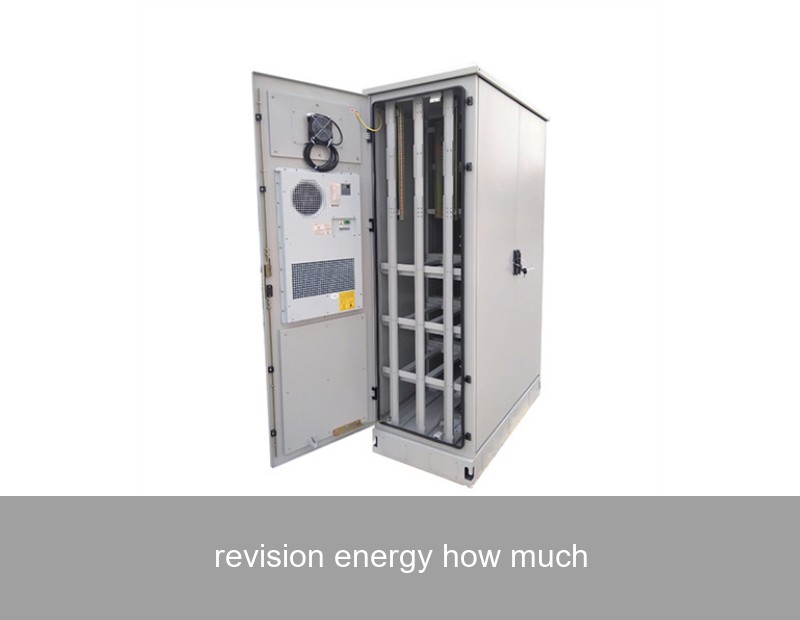
If you're a homeowner or business leader looking at your rising electricity bills, you've likely asked yourself a version of this critical question: "How much can a revision of my energy approach truly save me?" It's no longer just about switching light bulbs; it's about fundamentally revising how you generate, store, and consume power. This strategic "revision energy" move, centered on integrating solar and advanced battery storage, is transforming energy from a volatile cost into a manageable asset. Let's break down the real costs, savings, and long-term value.
Table of Contents
The Phenomenon: Energy Bills Are Becoming Unpredictable
Across Europe and the U.S., the traditional model of simply paying for grid power is showing its cracks. Volatility is the new normal. We see it in spiking peak demand charges for businesses, in time-of-use rates that penalize evening energy use for families, and in grid instability that threatens operations. This isn't just an inconvenience; it's a direct hit to operational budgets and household finances. The reactive approach—just paying the bill—is becoming financially unsustainable. This pain point is precisely why a proactive revision energy strategy is gaining traction. It's the shift from being a passive consumer to an active manager of your power.
The Data: Quantifying the "Revision Energy" Savings
So, let's talk numbers. How much can you actually save? The answer is multifaceted, combining direct savings, avoided costs, and increased resilience.
| Savings Category | Typical Range (Commercial/Industrial) | Typical Range (Residential) | How It Works |
|---|---|---|---|
| Reduced Peak Demand Charges | 15-30% of electricity bill | Less applicable | Battery discharges during short periods of highest grid demand to "shave" the peak. |
| Increased Solar Self-Consumption | 50-80% of solar generation used on-site | 60-90% of solar generation used on-site | Store excess daytime solar for use at night, instead of selling it back at low rates. |
| Backup Power Value | Prevents $10k-$100k+/hour of downtime | Preserves food, safety, connectivity | Seamless power during outages, ensuring business continuity and home comfort. |
| Time-of-Use (TOU) Arbitrage | Varies widely by region | $200-$500+/year | Store energy when grid rates are low, use it when rates are high. |
According to a 2023 report by the National Renewable Energy Lab (NREL), pairing solar with storage significantly increases the value of the solar investment, especially in markets with high demand charges or variable rates. The key is an intelligent system that optimizes for these savings automatically.

Image: A modern home energy revision with solar and storage. Source: Unsplash
The Case Study: A European Manufacturing Plant's Transformation
Let's make this concrete. A mid-sized automotive parts manufacturer in Bavaria, Germany, faced two major challenges: crippling peak demand charges that made up 40% of their electricity bill and an ambitious corporate carbon reduction target. Their old system relied entirely on the grid and a small, inefficient solar array.
Their revision energy project, completed in 2023, involved:
- A 2 MW expansion of their rooftop solar PV system.
- The installation of a 1.5 MWh/750 kW containerized battery energy storage system (BESS).
- An advanced energy management system (EMS) for predictive control.
- Peak Demand Reduction: 28%, saving over €85,000 annually.
- Solar Self-Consumption: Increased from 35% to 89%.
- Grid Independence: During daytime operations, the facility now runs at 70-80% grid independence.
- CO2 Footprint: Reduced by an estimated 720 tonnes annually.
The project's payback period, factoring in energy savings and available incentives, was calculated at under 7 years—on assets with a lifespan of 20+ years. This is a powerful testament to the financial and operational logic of a strategic energy overhaul.
Key Components of a Successful Energy Revision
Not all systems are created equal. A true revision energy plan is built on three pillars:
1. High-Efficiency, Durable Solar PV
The generation source. Modern bifacial panels and robust mounting systems ensure maximum yield over decades, even in less-than-perfect climates.
2. Intelligent Battery Energy Storage
The heart of the revision. This isn't just a battery; it's a smart grid asset. Look for systems with:
- High Cycle Life & Depth of Discharge (DoD): Ensures the system lasts for thousands of cycles without significant degradation.
- Integrated Power Conversion: Seamless switching between grid, solar, and battery power.
- Scalable Architecture: The ability to start with what you need and expand later.
3. Sophisticated Energy Management Software
The brain. This software uses weather forecasts, electricity price signals, and consumption patterns to autonomously decide when to charge, discharge, or hold. It maximizes savings without you lifting a finger.
How Highjoule Enables Your Energy Revision
This is where Highjoule's nearly two decades of expertise come into play. As a global leader, we don't just sell components; we provide integrated, intelligent solutions that make the savings from your revision energy strategy a reliable reality.
For our commercial and industrial partners, our H-Series Industrial BESS is the cornerstone. Its modular, containerized design allows for seamless scaling from 500 kWh to multi-MWh installations. Built with lithium iron phosphate (LFP) chemistry for superior safety and longevity, it's engineered to handle the rigorous demand of peak shaving and frequency regulation daily.
For homeowners, the Highjoule HomePower+ system integrates seamlessly with new or existing solar. Its compact design, quiet operation, and intuitive app give families control, allowing them to set preferences for savings, backup, or environmental impact. The system automatically navigates time-of-use rates to minimize costs.
Across all applications, our JouleMind AI energy management platform is the differentiator. It doesn't just react; it learns and predicts, optimizing your system's performance for financial return and resilience continuously. We handle the complexity, you reap the savings and peace of mind.

Image: Advanced battery storage systems form the core of an industrial energy revision. Source: Unsplash
What's Your Energy Resilience Score?
We've walked through the phenomenon, the hard data, and a real-world case. The question is no longer "How much can a revision energy strategy save?" but rather "How much am I losing by waiting?" The numbers are clear, the technology is proven, and the need for energy independence is more pressing than ever.
What would a single day of a total grid outage cost your business or disrupt your home life? And what if, instead of a cost, your energy system could become a predictable, controlled asset on your balance sheet? The revision starts with a single, informed conversation.
 Inquiry
 Online Chat