


Navigating SA Power Networks Solar Connection: A Guide for a Smooth Renewable Transition
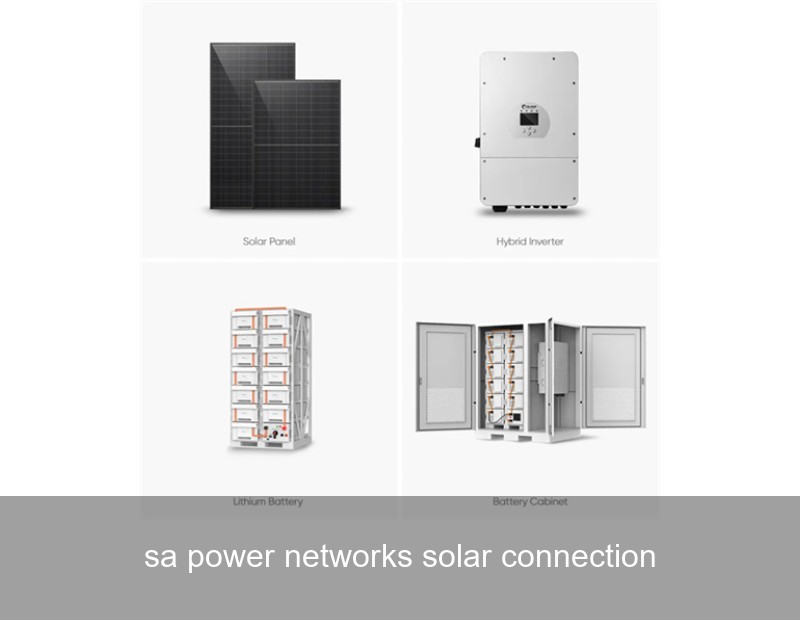
So, you've decided to harness the abundant South Australian sun and invest in a solar power system. It's a brilliant move for your wallet and the planet. But as you dive into the planning, you might encounter a crucial, yet sometimes complex, phrase: SA Power Networks solar connection. This isn't just paperwork; it's the essential technical handshake between your new solar panels and the wider grid. Getting it right is the difference between a system that powers ahead and one that gets stuck in the starting blocks. Let's demystify the process and explore how modern technology ensures your renewable energy journey is efficient, compliant, and maximises your return.
The Solar Connection Challenge: More Than Just Plugging In
South Australia is a world leader in rooftop solar penetration, with over 40% of homes generating their own power. This incredible success story, however, presents a unique challenge for the grid manager, SA Power Networks. Imagine your local electricity network as a two-way street originally designed for one-way traffic (from power stations to homes). Now, with thousands of solar systems sending power back onto that street, managing the flow becomes critical to prevent congestion, maintain voltage quality, and ensure safety for everyone.

Image Source: Unsplash (Representative image of high solar penetration)
This is where the SA Power Networks solar connection process comes in. It's a set of technical standards and procedures designed to integrate your system safely and reliably into the broader network. For you, the customer, it means understanding that your installation must meet specific requirements regarding inverter settings, export limits, and protection equipment.
Why SA Power Networks' Rules Matter: Stability in a Renewable World
The rules aren't arbitrary. They are based on hard engineering data to prevent grid instability. A key concern is "voltage rise." When many solar systems export power simultaneously on a sunny day, the voltage on local lines can increase beyond the safe limit (typically 253V). This can damage appliances and infrastructure. To manage this, SA Power Networks may enforce an export limit on new connections, capping how much power your system can feed back to the grid.
- For Standard Connections: Many residential systems may be limited to a 1.5kW or 3kW export limit, even if you install a 6.6kW solar array.
- The Impact: Without the right technology, this limit could waste your surplus solar energy, reducing your expected savings.
This is precisely where an advanced energy management system transforms the challenge into an opportunity. At Highjoule, our HES-G2 Hybrid Energy System is engineered for this new reality. It doesn't just comply with export limits; it intelligently works within them. Any excess solar energy that cannot be exported is automatically diverted to charge your attached battery storage, heating your hot water, or powering high-load appliances—ensuring not a single watt of your self-generated power is wasted.
The Technical Hurdles: From Voltage Rise to System Strength
Beyond export limits, there are other technical considerations in the SA Power Networks solar connection framework. "System strength" refers to the grid's ability to maintain stable voltage and frequency, especially during faults. High levels of inverter-based resources (like solar) can reduce this strength. SA Power Networks, in alignment with the Australian Energy Market Operator (AEMO), is actively managing this through connection requirements that may mandate certain inverter capabilities.
For commercial and industrial (C&I) projects, the process involves a more detailed technical review. The table below outlines common considerations for different system scales:
| System Scale | Key SA Power Networks Connection Considerations | Typical Solution |
|---|---|---|
| Residential (<30kW) | Export limits, inverter standards (AS/NZS 4777.2), automatic disconnect requirements. | Compliant inverter, optional dynamic export limiting device. |
| Commercial (30kW - 5MW) | Detailed application (DNSP form), power quality studies, potential contribution to system strength. | Advanced inverters with grid-support functions, dedicated connection agreement. |
| Industrial & Microgrid (>5MW) | Full generator registration, significant impact studies, negotiated performance standards. | Turnkey grid-connection solutions including plant controllers and compliance management. |
For C&I clients, Highjoule's GridSynergy Platform provides an unparalleled advantage. It's a sophisticated energy management and grid-interactive platform that not only ensures compliance with SA Power Networks' technical grid codes but can also enable revenue streams through demand response and virtual power plant (VPP) participation, turning your energy asset into a strategic investment. You can learn more about evolving grid standards from the Australian Energy Market Operator (AEMO).
Smart Solutions for a Seamless Connection
Navigating these requirements might seem daunting, but the right technology partner makes it seamless. The goal is to move from passive compliance to active optimization. Here’s how a smart system integrates with the SA Power Networks solar connection ethos:
- Dynamic Export Limiting: Instead of a hard cap, smart inverters can modulate export in real-time based on grid conditions.
- Solar Self-Consumption Maximization: By pairing solar with intelligent battery storage, you dramatically increase the amount of solar energy used on-site, reducing reliance on export altogether.
- Grid-Supportive Functions: Modern inverters can provide services like voltage support and frequency control, actively helping to stabilize the network.
Highjoule's product ecosystem is built on this principle. Our battery energy storage systems (BESS), like the CubeStack commercial series, are integrated with our smart inverters and the GridSynergy Platform to create a responsive energy asset. This system automatically prioritizes self-consumption, manages export to any pre-agreed limit, and can even island critical loads during a grid outage, providing resilience alongside compliance.
A Real-World Case: The Adelaide Manufacturing Facility
Let's look at a concrete example. A mid-sized manufacturing plant in Adelaide's northern suburbs sought to cut its substantial energy bills and hedge against price volatility. They planned a 250kW rooftop solar system. Their initial SA Power Networks solar connection assessment indicated a strict 50kW export limit due to local network constraints—a potential bottleneck for their investment.
Working with Highjoule, the solution was a tailored hybrid system:
- A 250kW solar PV array.
- A 300kWh Highjoule CubeStack battery storage system.
- The Highjoule GridSynergy energy management system.
The results, monitored over 12 months, were compelling:
- Grid Export Reduced: The system consistently kept export below the 50kW limit, achieving 100% compliance.
- Self-Consumption Skyrocketed: On-site consumption of solar power increased from an estimated 35% (solar-only) to over 85% (solar + battery).
- Financial Return: The facility reduced its grid electricity purchases by 68%, achieving a return on investment (ROI) period under 5 years, despite the added battery cost. The battery also provided backup power for critical processes during two brief grid outages.

Image Source: Unsplash (Representative image of commercial solar installation)
This case, documented in part by the Australian Renewable Energy Agency (ARENA), highlights how strategic technology integration turns a grid limitation into a driver for greater energy independence and financial performance.
Future-Proofing Your Solar Investment
The energy landscape is dynamic. SA Power Networks' requirements and the broader National Electricity Rules will continue to evolve to accommodate even higher levels of renewables. When planning your SA Power Networks solar connection, thinking ahead is crucial. Will your system be able to participate in future energy markets? Can it adapt to new technical standards?
Choosing a system with upgradeable software and hardware modularity is key. Highjoule designs its systems with this future in mind. Our platforms receive over-the-air updates to meet new regulations, and our modular battery cabinets allow for capacity expansion as your needs grow. This ensures your investment remains viable and valuable for decades, not just years.
Your Path to a Smarter Solar Connection
The journey to a successful solar connection in South Australia is a collaborative one between you, your installer, the technology provider, and SA Power Networks. By understanding the "why" behind the rules and leveraging intelligent energy solutions, you can achieve a outcome that benefits your bottom line and supports the grid's transition to a clean energy future.
Are you ready to explore how an intelligent Highjoule storage and management system can streamline your SA Power Networks solar connection and unlock the full potential of your solar investment? What energy resilience goals could you achieve if your system could think for itself?
 Inquiry
 Online Chat