


Unlocking Energy Independence: A Deep Dive into the SAKO 15kWh Lithium Battery
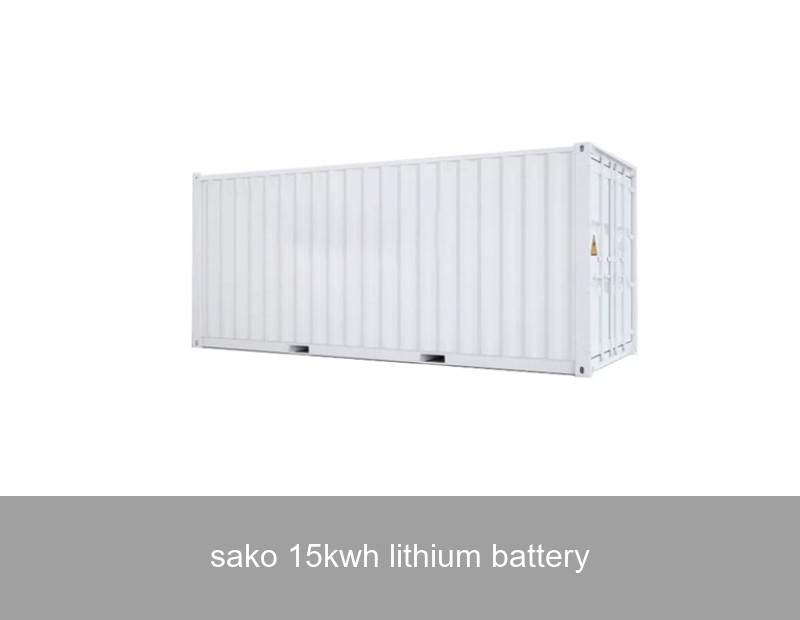
Across Europe and the US, a quiet revolution is happening in basements and garages. Homeowners are no longer just passive consumers of electricity; they are becoming their own power managers. At the heart of this shift is a powerful enabler: the SAKO 15kWh lithium battery. This isn't just another piece of hardware; it's the cornerstone of a modern, resilient, and cost-effective home energy system. But what makes this specific capacity so compelling, and how does it transform sunlight and wind into tangible security and savings? Let's explore.
What is the SAKO 15kWh Lithium Battery?
In simple terms, a 15kWh (kilowatt-hour) lithium battery is an energy storage unit that can theoretically deliver 15 kilowatts of power for one hour, or more commonly, a lower amount of power over many hours. Think of it as a massive, sophisticated water tank for electricity. When your solar panels are producing more than you need, instead of sending it all back to the grid, you fill your "tank." When the sun sets or during a power outage, you draw from your stored reserves.
The SAKO 15kWh represents a specific class of battery systems designed primarily for residential and small commercial use. It's the capacity that bridges the gap between smaller systems (5-10kWh) that cover basic backup and larger, more expensive industrial systems. Its popularity stems from its ability to meaningfully increase a home's self-consumption of solar energy and provide substantial backup power during outages.
The Energy Independence Phenomenon: From Anxiety to Assurance
The drive towards home batteries isn't just about economics; it's a response to a clear global phenomenon. Grid instability, whether from extreme weather events in California, market volatility in Europe, or aging infrastructure, is pushing people to seek control. The data is telling: according to the International Energy Agency (IEA), global energy storage capacity is set to expand by over 40% annually, with behind-the-meter (like home) systems being a major contributor.
This trend is supported by a logical progression:
- Phenomenon: Rising electricity costs and increasing grid unreliability.
- Data: The U.S. Energy Information Administration notes that the average U.S. homeowner experienced just over 8 hours of power interruptions in 2020, often more in storm-prone regions. Meanwhile, electricity prices in the EU have seen significant fluctuations.
- Case: A family in Texas, after experiencing the devastating grid failure in Winter Storm Uri, invests in solar plus a 15kWh battery. They no longer fear winter blackouts.
- Insight: Energy storage is shifting from a luxury to a core component of home resilience, with 15kWh emerging as a practical benchmark for whole-home essential backup.

Image Source: Unsplash - A modern home equipped for energy independence.
Why 15kWh is the Sweet Spot for Modern Homes
So, why 15? It's not an arbitrary number. It's a capacity that aligns beautifully with the energy profile of a typical 3-4 bedroom home in Western markets.
| Appliance/System | Estimated Wattage (Running) | Estimated Daily Consumption |
|---|---|---|
| Refrigeration | 150-400W | 1-2 kWh |
| LED Lighting (Whole Home) | 100-300W | 1-3 kWh |
| HVAC Fan / Heat Pump (non-heating mode) | 500-1500W | 5-15 kWh* |
| Home Office & Electronics | 200-500W | 2-5 kWh |
| Well Pump / Sump Pump | 500-1500W (intermittent) | 1-2 kWh |
*HVAC is the largest variable. A 15kWh battery can typically handle essential loads (excluding full electric heating/cooling) for 12-24 hours, or longer if paired with mindful usage. This capacity allows you to keep the lights on, food cold, internet running, and critical pumps operational through a night and into the next day—a game-changer during an outage.
Real-World Case Study: The Müller Family in Bavaria, Germany
Let's move from theory to practice. The Müller family lives in a detached home near Munich. In 2022, they installed a 9.8 kWp solar array. While their summer production was excellent, their self-consumption rate was only around 35%—they were exporting most of their daytime power and buying expensive electricity in the evening.
Solution & Data: In early 2023, they integrated a Highjoule SAKO 15kWh lithium battery system into their setup. The results after one year were striking:
- Self-Consumption Rate: Increased from 35% to 82%.
- Grid Import Reduction: Reduced their purchased electricity from the grid by over 70%.
- Financial Impact: Achieved an estimated payback period of 6-8 years, enhanced by Germany's supportive policies for storage. Their annual energy bill was reduced by over €1,200.
- Peace of Mind: During two planned grid maintenance blackouts, their home operated seamlessly on battery power.
"The system isn't just a battery; it's our family's energy brain," says Mr. Müller. "We watch the app less now because we just trust it to work."
The Highjoule SAKO Solution: Beyond the Battery Cell
At Highjoule, we understand that a reliable energy storage system is far more than a cluster of lithium cells. Our SAKO series, including the flagship 15kWh model, is engineered as an integrated power management ecosystem. Here’s what sets it apart:
- Intelligent Energy Management: The SAKO's brain is its proprietary AI-driven software. It doesn't just store and release energy; it learns your consumption patterns, forecasts weather, and even considers variable electricity tariffs (crucial in EU markets) to optimize when to charge from solar or the grid and when to discharge.
- Modular & Scalable Design: Starting with a 15kWh unit, homeowners can often expand capacity as their needs grow—whether it's adding an electric vehicle or a heat pump. This future-proofs your investment.
- Robust Safety Architecture: Built with UL 9540 and relevant IEC standards in mind, the SAKO system includes multiple layers of protection: advanced Battery Management System (BMS), thermal management, and robust enclosure design for peace of mind.
- Seamless Integration: Highjoule systems are designed to work harmoniously with leading solar inverters, making them a versatile choice for both new installations and retrofits.

Image Source: Unsplash - A sleek, modern home battery installation.
Our services extend beyond the hardware. Highjoule provides comprehensive support, from initial system design and feasibility analysis to professional installation by certified partners and ongoing monitoring via our user-friendly platform.
The Future of Home Energy Starts with a Decision
The transition to a decentralized, resilient energy grid is underway. The SAKO 15kWh lithium battery and systems like it are the practical tools making this future accessible today. It represents a shift from being at the mercy of external factors to having agency over your power, your costs, and your carbon footprint.
The data and cases are clear. The technology, refined by companies like Highjoule with nearly two decades of expertise, is proven and reliable. The question is no longer "Is this for me?" but rather "What is the first step to understanding my home's specific potential?" Could a detailed analysis of your last 12 months of electricity bills reveal the perfect path to your own energy independence?
 Inquiry
 Online Chat