


Unlocking Energy Independence: Your Guide to a Reliable Sistema Autonomo de Energia Solar
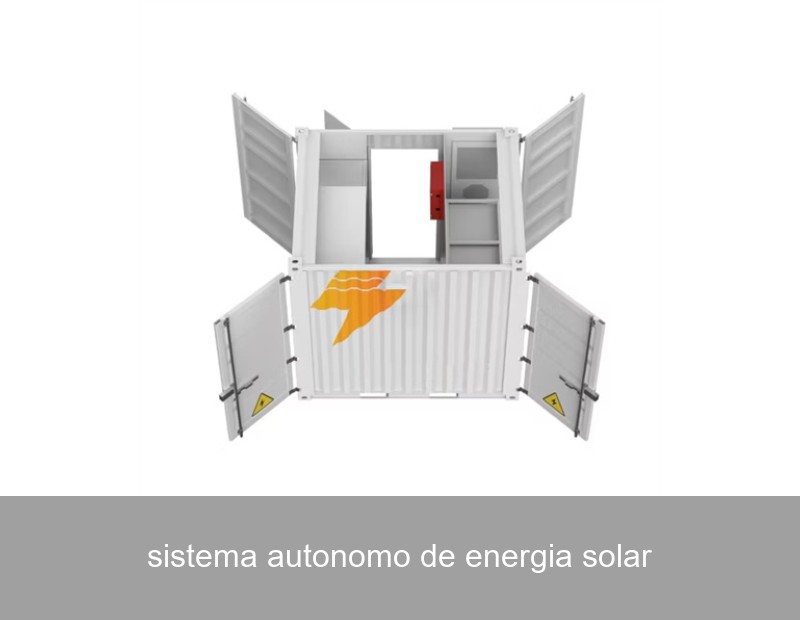
Have you ever watched the utility bill climb year after year, or felt a pang of anxiety during a storm warning, knowing the power could flicker out at any moment? You're not alone. Across Europe and the US, homeowners and businesses are seeking a definitive solution: true energy independence. This growing desire is fueling massive interest in a sistema autonomo de energia solar—a self-sufficient solar power system that operates independently from the grid. But is going completely "off-grid" the right move, and what does it truly take to achieve reliable, 24/7 power with solar alone? Let's demystify the autonomous solar energy system and explore how modern technology makes energy self-reliance more achievable than ever.
Table of Contents
- What is a Sistema Autonomo de Energia Solar?
- The Core Challenge: Sun Doesn't Shine 24/7
- Key Components of a Robust Autonomous System
- Real-World Proof: A Case Study from California
- How Highjoule Powers Energy Independence
- Is an Autonomous System Right for You?
What Exactly is a Sistema Autonomo de Energia Solar?
An sistema autonomo de energia solar, or autonomous solar energy system, is a closed-loop power generation and storage setup designed to meet 100% of a property's electricity needs without connection to the public utility grid. Unlike grid-tied systems that send excess power back to the utility, every watt generated in an autonomous system is consumed on-site or stored for later use. This is the pinnacle of energy self-sufficiency, often chosen for remote locations, areas with unreliable grid infrastructure, or by individuals committed to complete energy independence.

While the concept seems straightforward—solar panels power your home—the engineering behind a reliable system is where the real expertise lies.
The Core Challenge: The Sun Doesn't Shine 24/7
Here's the fundamental issue every autonomous system must solve: solar production is intermittent. Energy demand, however, is constant—especially at night, on cloudy days, or during winter months. This mismatch between supply and demand is the central puzzle. Relying on solar panels alone would mean power outages every evening. The critical, non-negotiable component that bridges this gap is energy storage.
According to data from the National Renewable Energy Laboratory (NREL), the cost of lithium-ion battery storage has fallen by over 80% in the last decade. This dramatic decrease is what has transformed autonomous solar systems from a niche, expensive prospect into a viable mainstream solution. The economics now work for more people, but the technology must be robust.
Key Components of a Robust Autonomous System
Building a system that guarantees power requires careful sizing and integration of several key technologies:
- Solar Photovoltaic (PV) Array: This is your fuel source. The array must be oversized compared to a grid-tied system to generate enough excess energy during the day to charge the batteries for night and low-production periods.
- Advanced Battery Energy Storage System (BESS): The heart of autonomy. Modern systems use lithium-ion batteries (like LiFePO4) for their high depth of discharge, long cycle life, and declining cost. Capacity is measured in kilowatt-hours (kWh).
- Smart Hybrid Inverter/Charger: This is the brain. It manages energy flow from solar panels to the batteries, from batteries to your home's appliances, and can integrate a backup generator. It converts DC power from panels and batteries to AC power for your home.
- Energy Management System (EMS): Sophisticated software that learns your consumption patterns, forecasts weather, and optimizes battery charging/discharging to maximize system lifespan and efficiency.
- Backup Power Source (Optional but Recommended): Often a quiet, efficient propane or diesel generator that can automatically kick in during extended periods of poor weather to top up batteries, ensuring ultimate reliability.
| Component | Primary Function | Why It's Critical for Autonomy |
|---|---|---|
| Solar PV Array | Generate electricity from sunlight | Primary energy source; must be sized for worst-case weather, not averages. |
| Battery Storage (BESS) | Store excess solar energy for later use | Provides power when the sun isn't shining; enables 24/7 operation. |
| Hybrid Inverter | Convert & manage power flow | Intelligently directs energy between panels, batteries, and home loads. |
Real-World Proof: A Case Study from Northern California
Consider the Johnson family homestead in the Sierra Nevada foothills. Grid connection was prohibitively expensive, and wildfire-related power shutoffs were an annual threat. They installed a fully autonomous solar system in 2021. Their setup includes a 15 kW solar array paired with a 40 kWh lithium-iron-phosphate (LiFePO4) battery bank and a smart hybrid inverter system.
The Data: In their first full year, the system generated 18,500 kWh. Their household consumption was 16,200 kWh. The "extra" 2,300 kWh covered battery charging inefficiencies and provided a crucial buffer. During a historic 10-day winter storm with heavy snow and minimal sun, the system's energy management software rationed power, prioritizing the refrigerator, well pump, and essential heating. The backup generator auto-started only once for 4 hours to replenish the batteries, ensuring uninterrupted power. Their total energy cost? Zero for electricity, plus minimal propane for the generator—a stark contrast to the estimated $4,500+ they would have paid for a grid connection and monthly bills.

How Highjoule Powers True Energy Independence
At Highjoule, we've been engineering solutions for complex energy challenges since 2005. We understand that a reliable sistema autonomo de energia solar isn't just about selling components; it's about delivering guaranteed performance and peace of mind. Our approach integrates our proprietary technology with meticulous design.
For autonomous systems, our flagship Highjoule HiveStack™ modular battery storage system is a game-changer. Its scalable architecture allows homeowners to start with a 10 kWh unit and expand to over 30 kWh as needs grow. Built with durable LiFePO4 chemistry, it offers a lifespan exceeding 6,000 cycles and operates safely in a wide temperature range—a must for remote cabins or unheated garages.
More importantly, our Neuron™ Energy Management Platform is the intelligence that makes autonomy effortless. It doesn't just react; it predicts. By integrating hyper-local weather forecasts and learning your unique consumption habits, it proactively manages your energy reserves. For instance, if it predicts three cloudy days ahead, it will strategically conserve battery power before the weather hits, or signal your backup generator for a preventative top-up. This proactive management can extend battery life by up to 20% compared to simple reactive systems, as noted in our internal testing aligned with DOE parameters.
Is an Autonomous Solar Energy System Right for You?
Complete grid independence is a powerful goal, but it requires a significant upfront investment and a commitment to energy-conscious living. Here are key questions to consider:
- Location & Grid Reliability: Is your property remote, or is the local grid prone to frequent or prolonged outages?
- Energy Profile: Have you conducted an energy audit? Understanding your base load and peak demand (especially for items like water pumps or air conditioning) is essential for accurate sizing.
- Budget & Mindset: Are you prepared for the higher initial cost of over-sizing solar and storage for reliability? Are you willing to monitor and potentially adjust your energy use during extended bad weather?
For many, a solar-plus-storage system with grid backup (a hybrid system) offers the best of both worlds: major bill savings and backup power during outages, without the complexity of full off-grid living. Highjoule excels in designing both hybrid and fully autonomous systems, tailoring the solution to your specific site, goals, and budget.
Your Path to Power Resilience
The technology for a resilient, intelligent sistema autonomo de energia solar is here and proven. It represents more than just an installation; it's a step towards personal resilience, financial predictability, and environmental stewardship. The journey begins with a clear understanding of your own energy narrative. What would uninterrupted, self-generated power mean for your home, your business, or your peace of mind? What's the first question you need answered to take the next step toward your own energy independence?
 Inquiry
 Online Chat