


Solar Water Pumps for Irrigation: The Smart, Sustainable Power Solution for Modern Farming
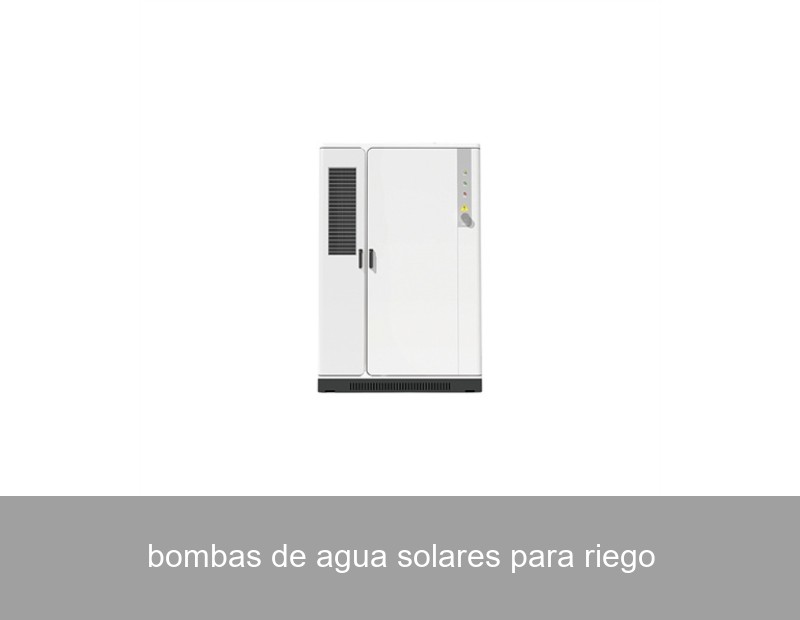
Imagine a farm where the water for crops flows reliably, powered not by expensive and polluting diesel or an unreliable grid, but by the sun itself. This is the promise of solar water pumps for irrigation. For farmers and agricultural managers across Europe and the US, the rising costs of energy and growing pressure for sustainable practices are a pressing phenomenon. The solution lies in harnessing free solar energy to power water pumps, creating a resilient and cost-effective irrigation system. But the true key to unlocking this potential isn't just the solar panels you see; it's the advanced energy storage and management system working behind the scenes. As a leader in smart energy storage, Highjoule understands that a reliable solar pump system requires more than just daytime sun—it needs intelligent power control for 24/7 operational readiness.
Table of Contents
- The Challenge: Water, Food, and Rising Energy Costs
- The Data: Why Solar-Powered Irrigation Makes Financial Sense
- The Heart of the System: More Than Just Panels and a Pump
- Highjoule's Role: Intelligent Storage for Uninterrupted Water Flow
- A Real-World Case Study: Vineyard in Southern Spain
- Designing Your Optimal Solar Pump System
- The Future of Farming is Powered by Intelligent Energy
The Challenge: Water, Food, and Rising Energy Costs
Modern agriculture is an energy-intensive endeavor. Irrigation, in particular, is often the largest consumer of power on a farm. Many remote or expansive farms rely on diesel generators or distant grid connections, both of which come with significant drawbacks. Diesel is noisy, produces emissions, requires frequent refueling, and its price is volatile. Grid electricity, while cleaner at the point of use, can be expensive and prone to outages, which can be catastrophic during critical growing periods. Furthermore, there is a global push to reduce the carbon footprint of the agricultural sector. This creates a complex puzzle: how do you ensure a consistent, controllable, and affordable water supply while moving towards sustainability? Solar water pumps for irrigation present a compelling answer.
The Data: Why Solar-Powered Irrigation Makes Financial Sense
Let's talk numbers. The initial investment in a solar pumping system is often higher than a traditional diesel setup. However, the operational cost narrative flips completely. According to the Food and Agriculture Organization (FAO), the lifecycle cost of solar irrigation can be 50-70% lower than diesel over 10 years. Why? Because once installed, the fuel—sunlight—is free. Maintenance is significantly lower (no engines to service), and system lifespans of 20+ years for panels are standard. For a farm with an annual diesel spend of €10,000 on irrigation, switching to solar can mean payback in 4-7 years, followed by decades of nearly free pumping. It's not just an environmental choice; it's a strategic financial decision that insulates your operation from energy price shocks.
The Heart of the System: More Than Just Panels and a Pump
A common misconception is that a solar water pump for irrigation is a simple, plug-and-play unit. In reality, it's a sophisticated system with several key components:
- Solar Photovoltaic (PV) Array: Converts sunlight into direct current (DC) electricity.
- Solar Pump Controller/Inverter: The brain of the pump. It regulates the power from the panels, converts DC to AC if needed, and protects the pump from voltage fluctuations.
- The Water Pump: Can be submersible (for wells/boreholes) or surface pumps (for rivers/ponds), chosen based on water source and required pressure.
- Water Storage Tank or Reservoir: Crucial for providing water during night-time or cloudy days.
- The Critical Component Often Overlooked: The Energy Storage System. What happens when clouds pass, or you need water at dawn or dusk when solar output is low? This is where advanced battery storage becomes a game-changer.

Image Source: Unsplash (Photographer: American Public Power Association)
Highjoule's Role: Intelligent Storage for Uninterrupted Water Flow
This is where Highjoule's expertise transforms a good solar pumping system into a resilient and intelligent one. While water storage is important, energy storage provides ultimate control. Integrating a Highjoule battery energy storage system (BESS) with your solar pump setup means you can:
- Extend Pumping Hours: Store excess solar energy generated at midday to power the pump in the early morning, evening, or during brief cloudy periods.
- Stabilize Power Supply: Protect sensitive pump controllers and motors from the variable output of solar panels, ensuring smoother operation and longer equipment life.
- Enable Grid Hybridization: For farms connected to a weak grid, our systems can blend solar, battery, and grid power optimally. You can pump using cheap, stored solar energy and only use the grid as a backup, dramatically reducing demand charges.
Highjoule's commercial and industrial energy storage solutions are designed for this kind of demanding, off-grid, and microgrid application. Our systems feature sophisticated energy management software that prioritizes solar self-consumption, ensures the pump has power when needed most, and provides remote monitoring and control—a boon for managing multiple or remote farm sites.
A Real-World Case Study: Vineyard in Southern Spain
Let's look at a concrete example from Andalucía, Spain—a region with abundant sun but also concerns about water scarcity and energy costs.
The Problem: A 50-hectare vineyard relied on a deep-well submersible pump (15 kW) powered by a diesel generator. Annual diesel costs exceeded €18,000, with significant noise, fumes, and maintenance downtime. Irrigation was limited to daytime hours when the generator was run.
The Solution: The farm installed a 40 kWp solar array, paired with a Highjoule 40 kWh lithium-ion battery storage system and a compatible variable frequency drive pump controller. The system was designed to meet 100% of the irrigation load.
| Metric | Before Solar+Battery | After Solar+Battery |
|---|---|---|
| Annual Energy Cost | €18,000+ (Diesel) | ~€300 (Grid Backup & System Maintenance) |
| Operating Hours | 10 hrs/day (Daylight only) | 24/7 capability (Programmable) |
| CO2 Emissions | ~48 tons/year | ~0 tons (from operation) |
| Payback Period | N/A | 5.2 years |
The Highjoule BESS allowed the vineyard to program irrigation for optimal times (e.g., cooler nights to reduce evaporation) and ensured the pump never stalled due to passing clouds. The farmer now manages the entire system via a smartphone app, viewing energy production, storage levels, and water output in real time.
Designing Your Optimal Solar Pump System
Every farm is unique. Designing an effective system requires careful consideration:
- Water Assessment: Daily water requirement (cubic meters), total dynamic head (lift + pressure), and water source.
- Solar Resource: Local sun hours, seasonal variations (critical for sizing storage).
- Pump and Motor Selection: Matching pump type and power to the hydraulic requirements.
- Energy Storage Sizing: This is crucial. How many days of autonomy do you need? Do you need to cover peak power demands? Highjoule's technical team specializes in this analysis, ensuring your battery system is neither under nor over-sized, maximizing your return on investment.

Image Source: Unsplash (Photographer: USDA)
The Future of Farming is Powered by Intelligent Energy
The integration of solar water pumps for irrigation with smart energy storage like Highjoule's solutions represents the next evolution in precision agriculture. It moves beyond simple replacement of power sources to creating an integrated, data-driven water and energy management platform. This approach not only secures water access but also turns an energy cost center into a model of efficiency and sustainability.
What could your farm achieve with a water supply that's both independent from grid disruptions and free from volatile fuel costs? How might the reliability of a sun-powered, battery-backed system allow you to optimize crop yields and explore new agricultural practices?
 Inquiry
 Online Chat