


What Are Energy Management Systems (Sistemas de Gestión Energética) and Why Are They Essential Today?
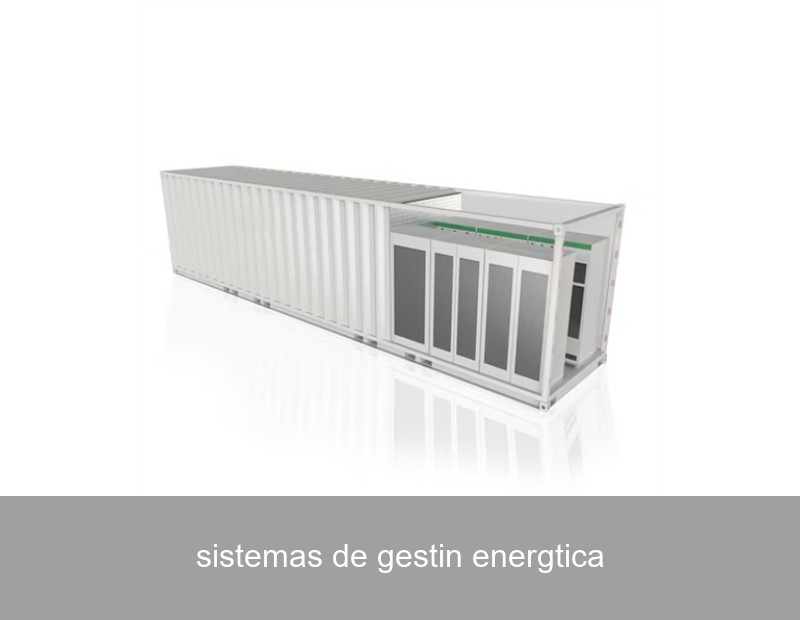
Have you ever looked at your business's electricity bill and wondered, "Where is all this power going, and can we use it smarter?" You're not alone. Across Europe and the US, facility managers, homeowners, and energy directors are asking the same question. The answer increasingly lies in a powerful digital tool: Energy Management Systems (EMS) or sistemas de gestión energética. At their core, these intelligent systems are the brain behind modern energy operations, optimizing how energy is produced, stored, and consumed in real-time. For organizations navigating volatile energy prices and ambitious sustainability goals, implementing an EMS has shifted from a "nice-to-have" to a critical operational necessity. Let's explore how this technology is reshaping our energy landscape.
Table of Contents
What is an Energy Management System (EMS)? Beyond Basic Monitoring
An Energy Management System is far more than a simple dashboard showing your energy meter. It's an integrated hardware and software platform that provides comprehensive visibility, control, and automation over your energy assets. Think of it as the central nervous system for your facility's energy flow. A sophisticated EMS connects to everything from solar PV arrays and battery storage systems to HVAC units, industrial machinery, and even electric vehicle chargers. Its primary mission? To make data-driven decisions that slash costs, reduce carbon footprint, and ensure energy resilience without compromising comfort or productivity.
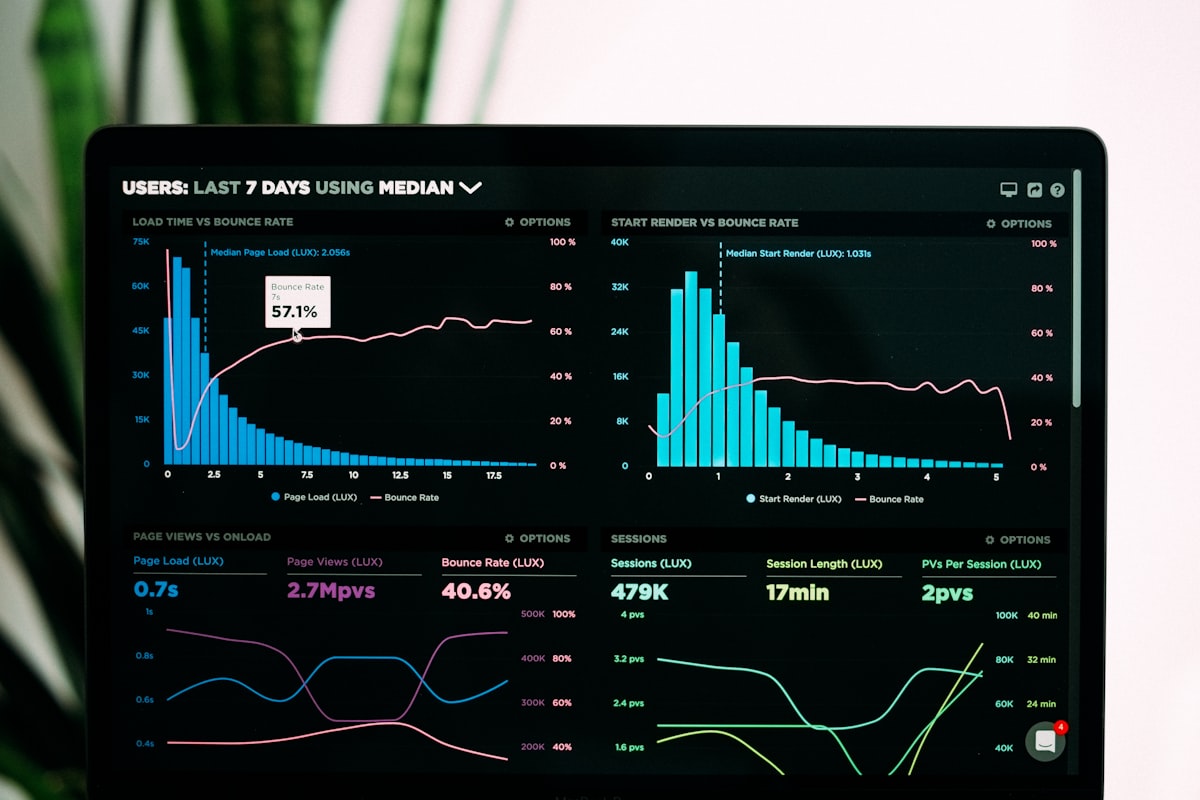
Image: Modern energy management requires sophisticated visualization and control. (Credit: Unsplash)
Core Components of a Modern EMS
A robust sistema de gestión energética is built on several key pillars:
- Data Acquisition & Sensors: The system's eyes and ears, collecting real-time data from meters, inverters, batteries, and other equipment.
- Communication Network: Secure, reliable pathways (like IoT protocols) that transport data to the central platform.
- Analytics & Intelligence Engine: The brain. This software uses algorithms, and increasingly AI, to analyze patterns, predict consumption, and identify optimization opportunities.
- Control & Automation Layer: The muscle. It executes commands—like discharging a battery during peak price hours or shifting non-essential loads.
- User Interface (UI): The friendly face. Accessible via web or mobile, it presents insights through dashboards, reports, and alerts, empowering users to make informed decisions.
The Data Story: Quantifying the Impact of an EMS
The theoretical benefits are compelling, but what does the real-world data say? The numbers are striking. According to a report by the International Energy Agency (IEA), digital tools like EMS could reduce energy costs in commercial buildings by 10-20%. Furthermore, a study by the U.S. Department of Energy highlights that advanced monitoring and targeting can lead to 5-15% energy savings in the first year alone, often with payback periods under two years. These savings stem from several key actions:
| EMS Action | Typical Savings Driver |
|---|---|
| Peak Shaving | Reduces demand charges, which can constitute 30-50% of a commercial bill. |
| Load Shifting | Moves consumption to off-peak, lower-cost periods. |
| Renewable Optimization | Maximizes self-consumption of solar PV, minimizing grid import. |
| Predictive Maintenance | Identifies equipment faults before they cause waste or downtime. |
Case Study: A Spanish Retail Chain's Journey to Energy Intelligence
Let's make this concrete with an example from Southern Europe. A mid-sized retail chain in Spain with over 50 stores faced erratic energy bills and wanted to stabilize costs while supporting its corporate sustainability pledge. Their facilities had rooftop solar, but it was operating in a "set-and-forget" mode, and battery storage wasn't considered.
The solution was a turnkey sistema de gestión energética that integrated three core elements: 1) Advanced metering across all sites, 2) A cloud-based analytics and control platform, and 3) The strategic deployment of Highjoule's HI-Stack commercial battery energy storage systems (BESS) at their highest-consumption locations. The EMS dynamically orchestrates these assets based on real-time electricity prices and solar production.
- 22% Reduction in overall energy costs.
- 40% Increase
- Peak demand charges reduced by an average of 35% at sites with BESS.
- A clear pathway to meet their 2025 carbon reduction target.
This case exemplifies how an EMS moves beyond monitoring to active, value-creating management, especially when paired with the right physical assets like intelligent battery storage.

Image: Commercial solar installations are maximized when integrated with an EMS. (Credit: Unsplash)
Highjoule's Role: Delivering Intelligence Through Integrated Solutions
As a global leader in advanced energy storage since 2005, Highjoule understands that a battery is most valuable when it's part of a smarter whole. Our products are designed with connectivity and intelligence at their core. The Highjoule EnergyOS platform is the sophisticated sistema de gestión energética that unlocks the full potential of our HI-Stack (commercial/industrial) and HI-Home residential storage systems.
EnergyOS doesn't just control our batteries; it provides a holistic view of your entire energy ecosystem. For our commercial clients, this means seamless integration with existing solar inverters, building management systems, and even grid signals for demand response programs. For homeowners, it's an intuitive app that automates savings, maximizes solar self-sufficiency, and provides peace of mind during outages. Our approach is to provide a future-proof, scalable solution that grows with your energy ambitions, whether you're managing a single-family home or a complex industrial microgrid.
The Future is Adaptive: AI and Grid-Interactive Buildings
The evolution of EMS is accelerating. The next frontier involves deeper Artificial Intelligence and Machine Learning, enabling systems that learn your unique consumption patterns and autonomously optimize for multiple objectives (cost, carbon, comfort). Furthermore, with the rise of variable renewables, grids are calling for flexibility. Modern sistemas de gestión energética like Highjoule's EnergyOS are evolving to allow buildings and microgrids to become active grid participants, providing stability services and creating new revenue streams—a concept detailed in this NREL report on grid-interactive efficient buildings.
This transforms the EMS from a cost-saving tool into a strategic asset that contributes to broader grid decarbonization. The question is no longer if you need an energy management system, but how sophisticated your system needs to be to meet your financial and environmental goals.
Your Energy, Your Intelligence
We've seen the compelling data and the real-world success stories. The era of passive energy consumption is over. Whether you're motivated by resilience against blackouts, control over rising costs, or a commitment to sustainability, a modern energy management system is the key. But knowing is only the first step. What is the single biggest energy challenge your home or business faces today that you wish you could solve with better data and control?
 Inquiry
 Online Chat