


Smart Home Systems in China: A Blueprint for Global Energy Innovation
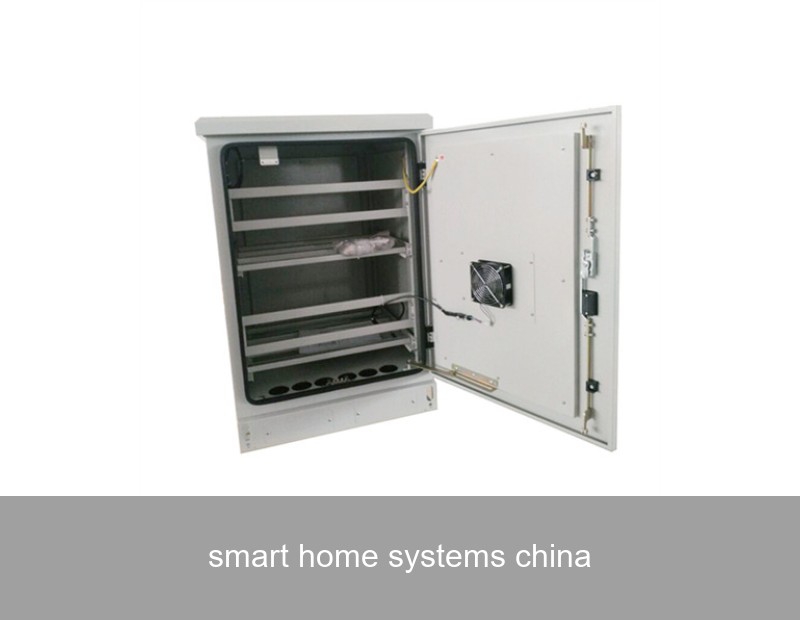
When we talk about the future of living, the conversation inevitably turns to smart home systems. China, a global powerhouse in technology manufacturing and adoption, is not just participating in this trend; it is actively redefining it. The rapid evolution of smart home systems in China offers a fascinating case study in integration, scale, and, most importantly, the central role of energy management. For homeowners in Europe and the US looking to build truly resilient and efficient homes, understanding the Chinese market's trajectory provides invaluable insights. It reveals a future where a smart home isn't just about voice-controlled lights, but about a sophisticated, self-optimizing energy ecosystem.
Table of Contents
The Phenomenon: Beyond Convenience to Core Infrastructure
In Western markets, smart home systems often begin with discrete devices: a smart speaker here, a connected thermostat there. In China, the approach is frequently more holistic from the outset. Driven by tech giants and ambitious "smart city" policies, the Chinese smart home ecosystem is built on deep platform integration. Companies like Xiaomi, Huawei, and Alibaba create entire interoperable suites of devices, from sensors and appliances to routers and gateways. This creates a seamless network where data flows freely, enabling a level of automated coordination that is harder to achieve with a mix of standalone brands.
The critical evolution, however, is how energy management has moved from an afterthought to the central nervous system of these setups. With rising electricity demand and a strong push for carbon neutrality, Chinese systems are increasingly designed to optimize energy consumption, integrate local renewable generation (like balcony PV systems), and manage storage. The smart home is becoming a key node in a flexible grid.
The Data: Scale, Integration, and the Energy Imperative
The numbers behind China's smart home adoption are staggering and highlight the market's unique characteristics:
- Market Size: China is the world's largest market for smart home devices by volume. According to IDC, shipments exceeded 250 million units in a recent year, with double-digit annual growth.
- Integration Rate: Over 60% of new mid-to-high-end residential developments in major Chinese cities now include pre-installed smart home wiring and basic control platforms, a stark contrast to the retrofitting common in Europe and the US.
- Energy Focus: A survey by the China Smart Home Industry Alliance indicated that "energy saving and management" has risen to become a top-3 purchase driver for consumers, alongside security and convenience.
| Key Driver in China | Implication for Global Homeowners |
|---|---|
| Government "Dual Carbon" Goals (Peak Carbon, Carbon Neutrality) | Policy pushes innovation in home energy efficiency and renewable integration, creating proven technologies. |
| High Urban Density & Grid Strain | Solutions for load shifting and peak shaving are developed at scale, benefiting any region with grid constraints. |
| Seamless Ecosystem (Single App Control) | Highlights the importance of choosing interoperable products or a unifying energy management platform. |
A Case Study: The Shanghai "Eco-Village" Microgrid Project
Let's make this concrete. A pilot project in a Shanghai residential community, involving 200 households, provides a tangible model of the future. Each home was equipped with a standard suite of Chinese smart home devices (lighting, HVAC, appliances). The key addition was a 5-10kWh lithium-ion battery storage system per household and a share in a community-scale solar PV array.
The system was managed by an AI-powered platform that could:
- Predict solar generation and household usage patterns.
- Automatically charge batteries during low-tariff or high-solar periods.
- Discharge batteries to power homes during expensive peak grid times, or even sell small amounts of excess back to the grid.
- Coordinate with smart appliances to run (like washing machines) when energy was cheapest and cleanest.
- 30-40% Reduction in average household electricity costs.
- Over 70% of daily energy demand met by the combination of solar and storage.
- A 15% reduction
This case isn't just about technology; it's about a viable economic and operational model. It proves that intelligently integrated storage is the missing link that transforms a smart home from a consumer convenience into a cornerstone of personal and community energy resilience. 
Key Insights for the Global Homeowner
So, what can you, as a homeowner in Europe or North America, learn from this?
1. Think Ecosystem, Not Gadgets
Plan your smart home with energy flow as a core design principle. Ensure your solar inverter, battery storage, EV charger, and major appliances can communicate. Avoid vendor lock-in that prevents this critical integration.
2. Storage is the Game Changer
As seen in Shanghai, a battery system is what allows you to capture your own solar power, avoid peak rates, and provide backup. It turns your home from a passive consumer into an active energy hub.
3. Intelligence is Everything
The hardware is only as good as the software that controls it. An advanced energy management system (EMS) that uses weather forecasts, tariff schedules, and your usage habits to automate decisions is essential for maximizing savings and efficiency.
Highjoule's Role in Your Smart Energy Home
This is precisely where Highjoule's expertise becomes critical. For nearly two decades, we have been at the forefront of advanced energy storage and management solutions globally. We understand that a truly smart home needs a robust, intelligent energy core.
Our Residential Energy Storage Systems are designed to be the heart of your modern home. Paired with our AI-driven energy management platform, they do more than just store electricity. They:
- Seamlessly integrate with solar PV systems, ensuring you maximize self-consumption of your clean energy.
- Automatically optimize charging and discharging based on real-time electricity prices (where dynamic pricing is available) and your consumption patterns.
- Provide grid services and can be configured for backup power, ensuring resilience during outages.
- Act as a unifying platform, with open protocols designed to connect with a wide range of third-party smart home devices and inverters.
In essence, Highjoule provides the "energy brain" that the most advanced smart home systems in China are pioneering. We bring this global innovation to your doorstep, with systems engineered for the safety, reliability, and regulatory standards of the European and North American markets. 
Looking Ahead: Your Home's Energy Brain
The trajectory is clear. The smart homes of the future will be judged not by how many devices you can control with your phone, but by how intelligently, efficiently, and independently they manage the vital resource of electricity. China's market, with its scale and integrated approach, offers a compelling glimpse into this future.
As you consider upgrading your own home, ask yourself this: Is your current setup merely connecting devices, or is it actively managing your energy ecosystem to save money, increase sustainability, and ensure resilience? What would it take to give your home its own "energy brain"?
 Inquiry
 Online Chat