


Solar Panel Off Grid System: Your Complete Guide to Energy Independence
Imagine a life where your power supply is unaffected by grid outages, rising utility rates, or remote locations. This is the promise of a solar panel off grid system. For homeowners in sunny California, ranchers in the Australian outback, or families building a cabin in the European Alps, going off-grid represents the ultimate form of energy self-reliance. But what does it truly take to disconnect from the traditional power network and run your life entirely on sunshine? As a product technology expert at Highjoule, I've seen the excitement—and the common pitfalls—firsthand. Let's demystify the process and explore how modern technology makes true energy independence more achievable and intelligent than ever before.
Key Components of a Robust Solar Panel Off Grid System
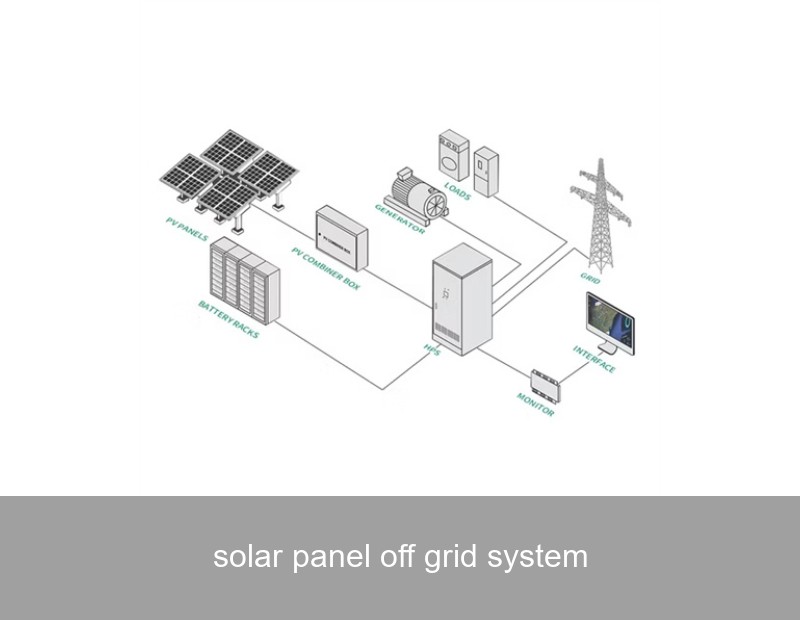
An off-grid system is more than just panels on a roof. It's a meticulously engineered ecosystem where each component must work in perfect harmony. Think of it as a self-contained power station for your property.
- Solar Panels: The primary fuel source, converting sunlight into direct current (DC) electricity.
- Charge Controller: The system's regulator, protecting your batteries from overcharging and optimizing energy harvest.
- Battery Energy Storage System (BESS): The heart of off-grid living. This is your energy reservoir, storing excess solar power for use at night and during cloudy days.
- Inverter: The translator, converting the DC electricity from panels and batteries into the alternating current (AC) that powers your home appliances.
- Backup Generator (often optional but recommended): A safety net for extended periods of poor weather, ensuring uninterrupted power.

Image: A modern off-grid setup requires careful integration of panels, batteries, and control systems. Source: Unsplash
At Highjoule, we specialize in integrating these components into a seamless, smart system. Our Highjoule Hive energy management platform acts as the brain, constantly learning your energy usage patterns and optimizing the flow between solar production, battery storage, and any backup source. This intelligence is what separates a system that merely functions from one that thrives.
The Power Paradox: Sizing Your System for Real Life
The most common mistake in off-grid planning is undersizing. It's not just about today's needs; you must account for seasonal sunlight variations, future energy demands, and "peak loads" (like starting a water pump or power tools). The key is a detailed energy audit. For instance, running a standard refrigerator might use 1-2 kWh per day, but an electric water heater could consume 10-15 kWh. In Europe and the US, we use data from sources like the National Renewable Energy Laboratory (NREL) to model location-specific solar irradiance, ensuring your system is designed for the worst month, not the best.
Beyond the Basics: The Critical Role of Intelligent Battery Storage
While panels capture energy, batteries define your independence. The choice of battery chemistry—primarily Lithium Iron Phosphate (LFP) vs. traditional lead-acid—is a pivotal decision. LFP batteries, like those in Highjoule's ResilientHome ESS series, offer longer lifespans (often over 6,000 cycles), higher depth of discharge (90%+), and superior safety. They are the cornerstone of a maintenance-free, durable off-grid system. The battery's capacity, measured in kilowatt-hours (kWh), determines how long you can power your home without sun. A well-designed system typically has enough storage to cover 2-3 days of autonomy.
| Feature | Lithium Iron Phosphate (LFP) | Flooded Lead-Acid |
|---|---|---|
| Cycle Life (to 80% capacity) | 6,000+ cycles | 1,200-1,500 cycles |
| Depth of Discharge (Safe) | 90% | 50% |
| Maintenance | Virtually none | Regular watering & equalization |
| Efficiency | ~98% | ~80% |
Case Study: Powering a Sustainable Alpine Retreat in Switzerland
Let's look at a real-world application. A client in a remote area of the Swiss Alps wanted to power a year-round holiday home without relying on diesel generators or expensive grid extension. The challenge: heavy snow loads, low winter sun, and a need for reliable heating.
- System Size: A 24 kW solar array was installed on a steep-pitched, snow-shedding roof.
- Storage: A Highjoule IndustrialStack battery system with 40 kWh of LFP storage.
- Intelligence: The Highjoule Hive system was integrated with a heat pump and a propane backup generator for prolonged cloudy periods.
- Result: The system provides over 95% of the home's annual energy needs, reducing generator use to less than 50 hours per year. The homeowner monitors and controls everything via a smartphone app, even remotely adjusting the heating before arrival. Data from the first year showed a winter self-sufficiency rate of 82%, a testament to proper sizing and smart management. You can explore more real-world data on off-grid performance through resources like DOE's Solar Energy Technologies Office.
Highjoule's Tailored Approach to Off-Grid Energy Independence
Since 2005, Highjoule has evolved from a battery innovator to a global provider of complete, intelligent storage solutions. For the off-grid market, we don't just sell components; we deliver energy security as a service. Our process begins with a virtual assessment using satellite data and progresses to a custom design that balances performance, longevity, and budget. Our MicroGrid Controller technology can even manage multiple power sources (solar, wind, generator) and prioritize critical loads, making it an ideal solution for remote commercial sites, agricultural operations, and resilient residential communities.

Image: Modern LFP battery systems, like Highjoule's ResilientHome, are compact, safe, and designed for seamless home integration. Source: Unsplash
Whether it's our ResilientHome series for dwellings or our scalable IndustrialStack for larger applications, every Highjoule system is built with grid-forming inverter technology. This means it can create a stable, clean "grid" from scratch—the essential capability for any true off-grid system.
Is Making the Leap to a Solar Panel Off Grid System Right for You?
The journey to energy independence is incredibly rewarding but requires careful planning and investment. The right partner makes all the difference. It's not just about the hardware; it's about the software intelligence, the design expertise, and the long-term support. As you consider disconnecting, ask yourself: What does true energy resilience mean for my family or business? Are we prepared to view and manage energy as a conscious, daily resource?
We invite you to share your vision. What's the biggest question or concern you have about taking your home or project completely off the grid?
 Inquiry
 Online Chat