


Solar and Energy Storage Systems: Your Complete Guide to Energy Independence
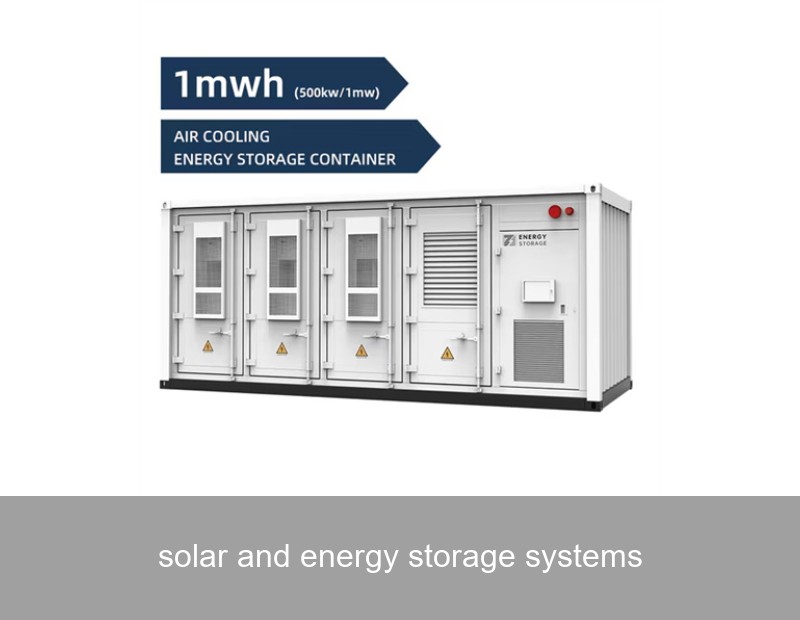
Have you ever watched your solar panels generate a surplus of clean energy on a bright afternoon, only to see it flow back to the grid, knowing you'll have to buy it back in the evening? It's a common frustration for homes and businesses embracing solar. The sun doesn't always shine when we need power the most. This mismatch between solar production and energy consumption is the fundamental challenge that solar and energy storage systems are designed to solve. By pairing photovoltaic (PV) panels with a battery storage system, you're not just generating electricity; you're creating your own personal, dispatchable power plant. This powerful combination is rapidly transforming how we produce, consume, and think about energy, moving us decisively toward true energy resilience and independence.
Beyond Backup: The Multilayer Value of Integrated Systems
While the basic concept is simple—store solar energy for later use—the benefits of integrating solar and energy storage systems are multi-layered and impactful. Let's break down the core advantages:
1. Maximizing Self-Consumption and Slashing Bills
This is the most immediate benefit. A typical home solar system without storage might only directly consume 30-50% of the energy it generates. The rest is exported. With a battery, you can increase self-consumption to 70% or more. You use your cheap, clean solar power to run your home at night, dramatically reducing your reliance on the grid and protecting yourself from volatile electricity prices. For businesses with time-of-use rates, the savings can be even more substantial.
2. Uninterruptible Power Supply (UPS) and Resilience
Grid outages are becoming more frequent due to extreme weather and aging infrastructure. A solar and energy storage system with islanding capability can automatically disconnect from the grid during an outage and keep your critical loads running. For a homeowner, this means the lights, fridge, and internet stay on. For a business, it can prevent costly downtime and data loss.
3. Supporting Grid Stability and Sustainability
On a macro level, widespread adoption of these systems creates a more stable and sustainable grid. Distributed storage can absorb excess solar generation during peak production (helping to prevent grid congestion) and discharge during peak demand periods. This "peak shaving" reduces the need for utilities to fire up polluting peaker plants. According to the International Renewable Energy Agency (IRENA), the flexibility provided by storage is a key enabler for high shares of renewable energy in the power system.

Image: A modern home equipped with a fully integrated solar and battery storage solution. Source: Unsplash
Case Study: A German Mittelstand Company's Success Story
Let's look at a real-world example from Bavaria, Germany. A mid-sized metal fabrication company, "Metallbau Schmidt GmbH," faced two problems: high energy costs that eroded their competitiveness and a need for extremely reliable power for their precision CNC machines. They installed a 250 kWp rooftop solar array coupled with a 500 kWh battery energy storage system.
The results, monitored over one year, were compelling:
| Metric | Before Installation | After Installation | Change |
|---|---|---|---|
| Grid Electricity Purchased | 420,000 kWh/year | 185,000 kWh/year | -56% |
| Solar Self-Consumption | 38% (of solar generation) | 92% (of solar generation) | +142% increase |
| Energy Cost Savings | Baseline | €68,000/year | Direct savings |
| Grid Services Revenue | €0 | €5,200/year | New income stream |
Furthermore, the system provided seamless backup power during two brief grid disturbances, preventing an estimated €15,000 in production losses. The project's payback period was calculated at just under 7 years, a strong financial investment for the company. This case exemplifies how industrial users are leveraging solar and energy storage systems for both economic and operational resilience.
Choosing the Right System: Key Considerations
Not all storage solutions are created equal. When evaluating solar and energy storage systems, here are the critical factors to discuss with your provider:
- Battery Chemistry: Lithium-ion phosphate (LFP) is now the dominant choice for stationary storage due to its long lifespan, safety, and excellent cycle life, compared to older NMC chemistries.
- Usable Capacity & Power Rating: Capacity (kWh) tells you how much energy you can store. Power (kW) tells you how much you can use at once. You need both to be sized correctly for your loads.
- Depth of Discharge (DoD) & Warranty: A higher DoD (e.g., 90%) means you can use more of the battery's stated capacity without harming it. Look for a strong warranty (often 10 years) that guarantees a certain remaining capacity at the end of the term.
- System Intelligence & Software: This is the brain of the operation. Advanced energy management systems (EMS) can learn your usage patterns, forecast weather, and automatically optimize charging/discharging to maximize savings or achieve your specific goals.
Highjoule: Your Partner in Intelligent Storage
At Highjoule, we've been at the forefront of the energy transition since 2005. We understand that a successful solar and energy storage system is more than just hardware—it's an intelligent, integrated solution tailored to your unique energy profile and goals.
Our flagship product line, the H-Series Modular Storage System, is engineered for commercial, industrial, and large residential applications. Built with safe, durable LFP battery cells, the H-Series is renowned for its:
- Scalable Design: Start with a base unit and seamlessly add modules as your energy needs grow.
- Highjoule EnergyOS™: Our proprietary energy management platform uses AI-driven algorithms to dynamically control your system. It can prioritize self-consumption, participate in grid flexibility programs (where available), and ensure backup power readiness—all from an intuitive user interface.
- Robust Performance: With a 100% Depth of Discharge, a 10-year warranty guaranteeing 70% capacity retention, and an IP55 rating for outdoor installation, the H-Series is built to last and perform in diverse environments.
For residential customers and smaller commercial sites, our Home & Business Energy Hub offers a sleek, all-in-one solution that integrates seamlessly with new or existing solar arrays, providing effortless energy management and peace of mind.

Image: A technician performing maintenance on a large-scale commercial battery storage installation. Source: Unsplash
The Future is Integrated and Intelligent
The trajectory is clear. As noted by the International Energy Agency (IEA), solar PV is already the cheapest source of electricity in history in many markets, and storage costs continue to fall. The future grid will be decentralized, digital, and decarbonized. Solar and energy storage systems are the cornerstone of this future, empowering consumers to become "prosumers"—actively managing their energy production and consumption.
We are moving beyond simple time-shifting of solar energy. The next frontier involves these systems interacting dynamically with electric vehicles (vehicle-to-home or V2H), smart home appliances, and the wider grid to create hyper-efficient local energy ecosystems. The intelligence of the software managing these flows will be as important as the hardware itself.
Is your home or business ready to stop watching your valuable solar energy go to waste and start building your own resilient, cost-effective energy future? What would energy independence look like for you?
 Inquiry
 Online Chat