


Understanding Solar Batteries Prices in Nigeria: An Investment in Energy Independence
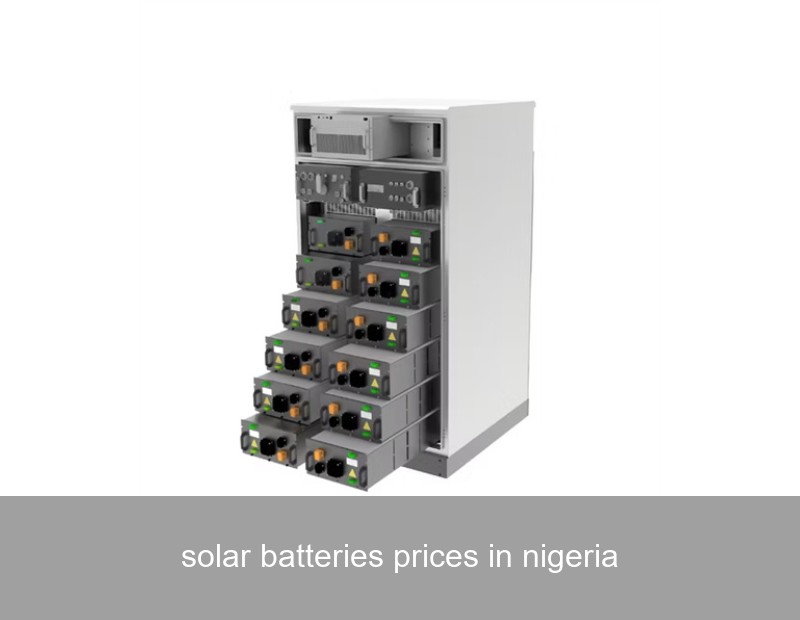
If you're exploring solar batteries prices in Nigeria, you're likely navigating a complex market, balancing upfront costs against the promise of reliable, clean power. The conversation often starts with a simple question: "How much does a solar battery cost?" But in a nation where grid instability and diesel generator dependence are daily realities, the more profound question is, "What is the true cost of not having reliable power?" This article delves beyond the price tags, examining the factors shaping costs, the long-term value of a quality system, and how innovative solutions are making sustainable energy more accessible for Nigerian homes and businesses.
The Price Puzzle: More Than Just a Sticker Shock
When researching solar batteries prices in Nigeria, you'll encounter a wide range. A basic lead-acid setup for a small home might start around ₦500,000, while a sophisticated lithium-ion system for a commercial enterprise can run into tens of millions of Naira. This variance isn't arbitrary. It's driven by core components: battery chemistry, capacity, brand, and the required balance of system components like inverters and charge controllers. The initial price is just the entry point of the calculation.

Furthermore, Nigeria's unique energy landscape adds layers to this puzzle. High import duties on renewable energy equipment, fluctuating foreign exchange rates, and logistical challenges can significantly impact final consumer prices. However, juxtaposed against these costs is the relentless and rising expense of alternatives. The price of diesel has soared, with the NNPC reporting prices exceeding ₦1,200 per litre in many areas in 2024. For a business running a 100KVA generator 12 hours a day, this translates to millions of Naira in monthly fuel costs alone, not to mention maintenance and environmental impact.
Breaking Down Solar Battery Costs in Nigeria
To make an informed decision, let's dissect the key factors influencing solar batteries prices in Nigeria:
- Battery Chemistry & Technology: This is the primary cost driver. Traditional Flooded Lead-Acid (FLA) batteries have a lower upfront cost but shorter lifespan (3-5 years) and require maintenance. Sealed AGM batteries are maintenance-free but cost more. Lithium-ion phosphate (LiFePO4) batteries, like those used by Highjoule, represent the premium tier. They offer a longer lifespan (10+ years), higher depth of discharge, faster charging, and require zero maintenance, providing superior lifetime value.
- Capacity & Power Rating: Measured in kilowatt-hours (kWh), this determines how much energy you can store. A larger capacity (e.g., 10kWh vs. 5kWh) means a higher price. The power rating (kW) defines how much electricity can be delivered at once—critical for starting appliances like air conditioners.
- System Integration & Intelligence: A "dumb" battery is just a storage tank. A smart battery system, integrated with an advanced inverter and energy management software, can optimize self-consumption, provide grid-forming capabilities, and enable remote monitoring. This intelligence adds cost but drastically improves efficiency and control.
- Installation & After-Sales Support: Professional design and installation by certified technicians ensure safety, performance, and longevity. Reliable after-sales service and warranty from a reputable provider are invaluable, often justifying a slightly higher initial investment.
The True Value Equation: Beyond the Initial Price Tag
Evaluating solar batteries prices in Nigeria solely on the purchase invoice is like judging a book by its cover. The true metric is the Levelized Cost of Storage (LCOS) – the total cost of owning and operating the storage system over its lifetime, divided by the total energy it will deliver. Here's where quality shines.
Consider a LiFePO4 battery with a 10-year warranty that can cycle daily versus a lead-acid battery needing replacement every 4 years. The lithium option, while pricier upfront, often has a lower LCOS. You're paying for years of predictable, silent, and emission-free power. For businesses, this reliability translates directly to productivity. No more downtime during grid outages, no spoilage for cold storage facilities, and consistent operations that foster growth and customer trust.
A Lagos Case Study: From Diesel Dependence to Solar Security
Let's look at a real-world example. A medium-sized pharmacy chain in Lagos with three stores was spending approximately ₦1.8 million monthly on diesel to power generators for 14 hours daily. Frequent generator breakdowns also led to drug spoilage in their refrigeration units.
In 2023, they invested in a turnkey solar-plus-storage solution. The system included 45kW of rooftop solar and 120kWh of lithium-ion battery storage across the three locations. The total capital expenditure was significant. However, let's examine the data after one year of operation:
| Cost Category | Pre-Installation (Monthly Avg.) | Post-Installation (Monthly Avg.) |
|---|---|---|
| Diesel Fuel & Maintenance | ₦1,800,000 | ₦80,000 (for rare, extended outages) |
| Grid Electricity (PHCN) | ₦150,000 | ₦40,000 (reduced consumption) |
| Cost of Spoiled Goods | ₦220,000 | ₦0 |
| Total Monthly Operational Cost | ₦2,170,000 | ₦120,000 |
This resulted in monthly savings of over ₦2 million. The project's payback period was calculated at under 4 years. Beyond the numbers, the business gained an impeccable reputation for always being open and fully operational, a powerful competitive advantage. Bloomberg has documented this growing trend across Nigerian industry.
The Highjoule Solution: Smart Tech for Sustainable Savings
At Highjoule, we understand that discussing solar batteries prices in Nigeria must be coupled with a demonstration of enduring value. Since 2005, we have evolved into a global leader by providing intelligent storage solutions that maximize return on investment. For the Nigerian market, we offer our HPS (Highjoule PowerStack) Series—modular lithium-ion battery systems designed for resilience and intelligence.
Our HPS systems are built with LiFePO4 cells, renowned for their safety and long cycle life. They integrate seamlessly with major inverter brands and feature our proprietary Energy Operating System (EOS). This smart software doesn't just store energy; it manages it. It learns your consumption patterns, prioritizes solar self-consumption, and can be programmed to use grid power during off-peak (lower tariff) hours to charge the batteries, providing optimal savings. For commercial clients, this level of control is transformative.

Furthermore, Highjoule's global expertise in microgrid applications is particularly relevant for Nigerian industrial estates, universities, and residential communities seeking to create self-sufficient energy networks. Our systems are designed to provide grid-forming power, meaning they can create a stable, local "grid" even when the national grid is down, a feature far beyond the capability of basic backup systems.
The Future Outlook for Solar Batteries in Nigeria
The trajectory for solar and storage in Nigeria is promising. As global battery production scales, prices for core technology continue a long-term downward trend. Local assembly initiatives, supported by government policies aimed at increasing renewable energy capacity to 30% by 2030 as referenced in the NERC's plans, could further reduce costs associated with importation. The key for consumers is to see this not as a mere expense, but as a strategic capital investment in asset modernization and risk mitigation.
So, as you evaluate solar batteries prices in Nigeria, ask yourself: What is the current operational and opportunity cost of unstable power for my home or business? How would reliable, clean energy impact my quality of life, productivity, and growth over the next decade?
Is your current energy solution a recurring liability, or are you ready to transform it into a durable, value-generating asset?
 Inquiry
 Online Chat