


The Unseen Challenge for Solar Cell Manufacturing Companies: Powering Your Own Success
When we think of solar cell manufacturing companies, we envision innovation, sustainability, and the promise of clean energy. The industry is in a massive growth phase, driven by global decarbonization goals. But behind the gleaming silicon wafers and high-efficiency panels lies a profound irony: these factories are among the most energy-intensive in the world. The very industry powering our green future is under immense pressure from volatile energy costs and grid reliability. This isn't just an operational headache; it's a strategic challenge that can define who leads the next decade of solar innovation.
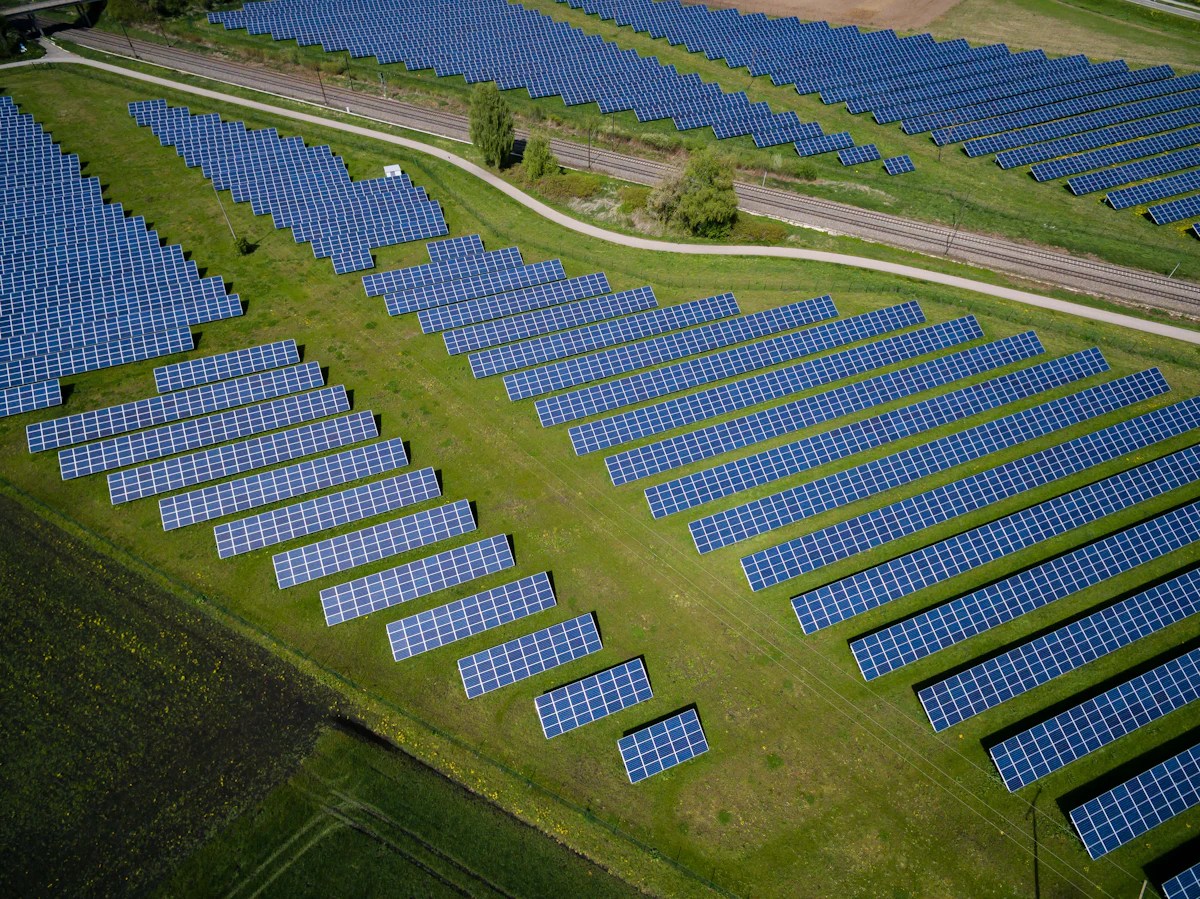
Image: Modern solar manufacturing requires immense, consistent power. Credit: Unsplash.
The Power Paradox for Solar Cell Manufacturing Companies
Let's break down the process. Manufacturing photovoltaic (PV) cells involves high-purity silicon production, ingot casting, wafer slicing, cell processing (diffusion, etching, coating), and module assembly. Steps like polysilicon purification and crystallization operate in furnaces at temperatures exceeding 1400°C. These processes run 24/7; a sudden voltage dip or a mere second of power interruption can lead to catastrophic losses—batch spoilage, equipment damage, and days of downtime.
For a CEO or Operations Director, this creates a constant tension. You're racing to scale production and reduce cost-per-watt, while your largest variable cost—energy—is unpredictable. In Europe and the U.S., where energy prices have seen significant volatility, this directly impacts competitiveness against global players. The question shifts from simply "How many megawatts can we produce?" to "How can we secure the megawatts we need to produce, reliably and affordably?"
By the Numbers: Energy's Bite on the Bottom Line
The data paints a stark picture. According to the U.S. Department of Energy, manufacturing accounts for the majority of a solar panel's lifecycle energy consumption. A study published in the journal Progress in Photovoltaics highlighted that the electricity used in polysilicon and wafer production alone can be a dominant cost factor.
Consider this breakdown for a typical modern fab:
- Electricity Cost Contribution: Can range from 5-15% of total manufacturing costs, heavily dependent on regional tariffs and time of use.
- Process Sensitivity: Certain tools, like diffusion furnaces and thin-film deposition systems, require ultra-stable power quality. Voltage sags below 90% can trigger automatic shutdowns.
- Financial Risk: A single, unexpected grid outage at a critical phase can result in losses exceeding hundreds of thousands of dollars in spoiled materials and lost throughput.
This isn't hypothetical. Industry analysts consistently cite energy security as a top-5 risk for expanding manufacturing capacity in Western markets. The International Energy Agency (IEA) notes in its Solar PV Global Supply Chains report that energy costs and carbon footprints are key differentiators in the evolving manufacturing landscape.
A Case Study: Powering Up a European PV Module Leader
Let's look at a real-world example. A prominent European solar module manufacturer, with an annual capacity of over 1 GW, faced two critical issues at its flagship plant. First, peak demand charges from the local utility were eroding profit margins, especially during high-production summer months. Second, the region experienced occasional grid instability, threatening their continuous lamination and testing lines.
Their solution was an integrated on-site energy system. They deployed:
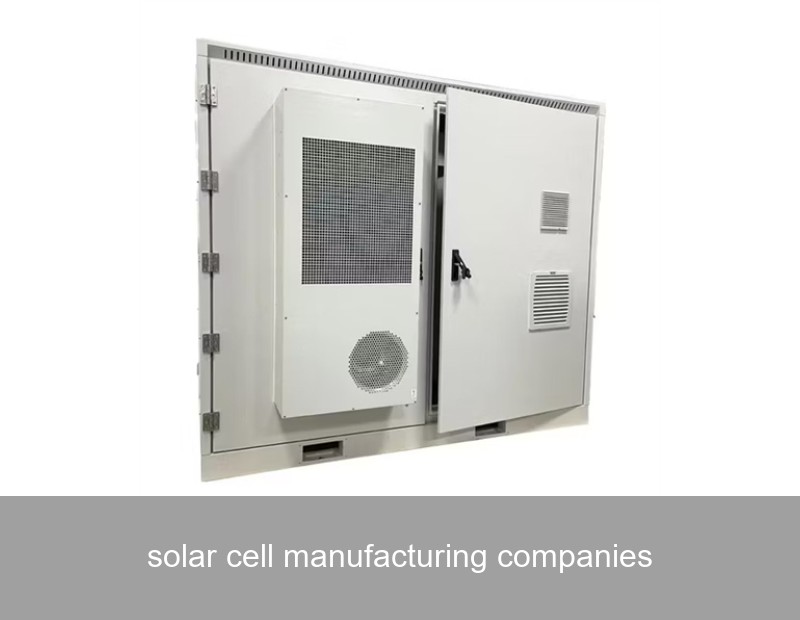
- A 4 MWh containerized battery energy storage system (BESS) directly integrated with their factory's main distribution panel.
- Intelligent energy management software to control the system's charge and discharge cycles.
The results, measured over 12 months, were transformative:
| Metric | Result | Impact |
|---|---|---|
| Peak Demand Reduction | Up to 25% | Direct, recurring savings on monthly utility bills |
| Power Quality Events Mitigated | 17 recorded instances | Zero production stoppages related to grid sags |
| Renewable Self-Consumption | Increased by 30% | Enhanced sustainability profile and reduced grid dependence |
This system paid for itself in under 4 years through demand charge savings alone, not counting the avoided losses from downtime. It provided a predictable energy cost structure, a critical advantage in bidding for large contracts.
Beyond the Grid: The Integrated Energy Solution
The case study reveals the new playbook. For forward-thinking solar cell manufacturing companies, the answer isn't just hoping for a stable grid or lobbying for lower rates. It's about taking control with a behind-the-meter energy ecosystem. This involves three core pillars:
- Energy Storage as a Buffer: A large-scale BESS acts as a shock absorber. It draws power during off-peak, low-cost periods and discharges during expensive peak hours (peak shaving). More critically, it provides sub-second backup to bridge short grid outages and filters power quality issues, protecting sensitive fabrication equipment.
- Intelligent Management: Software is the brain. It forecasts energy usage, analyzes utility rate structures, and automates the storage system to optimize for cost or resilience, often without human intervention.
- On-Site Solar Synergy: Pairing storage with a rooftop or ground-mounted solar array creates a microgrid. This allows the factory to consume its own clean generation, reducing both energy costs and Scope 2 emissions—a powerful message for ESG-conscious investors and customers.

Image: Industrial-scale battery storage is key for manufacturing resilience. Credit: Unsplash.
Highjoule: The Strategic Partner for Energy-Intensive Industries
This is where Highjoule's expertise becomes pivotal. Since 2005, we've moved beyond being just an equipment supplier to become a strategic partner in energy resilience. We understand that for a solar manufacturer, the production line is the heart of the business. Our solutions are designed to protect and optimize that heart.
For solar cell manufacturing companies, Highjoule offers tailored, turnkey systems:
- High-Cycle, High-Power BESS: Our battery systems are engineered for the rigorous daily cycling required for peak shaving, built with industry-leading safety standards and a long operational lifespan that matches your factory's planning horizon.
- Industrial-Grade Power Conversion & Control: We provide seamless integration with your high-voltage distribution network, ensuring our storage acts as a unified part of your facility's infrastructure.
- AI-Driven Energy Management Platform (EMP): Our proprietary software doesn't just manage batteries. It models your specific production schedules, local weather, and complex utility tariffs to deliver a customized optimization strategy, giving your operations team unparalleled visibility and control.
- Microgrid Capability: We can integrate your existing or planned on-site solar/wind generation with our storage, creating a true energy island that can operate independently during broader grid outages.
Think of us as the power reliability department you don't have to staff. We provide the technology, the integration, and the ongoing intelligence to turn your energy liability into a competitive asset.
The Future-Proof Factory: What's Your Next Move?
The trajectory is clear. Governments are incentivizing localized, resilient clean energy supply chains. Customers are demanding lower carbon products. Finance is rewarding companies with stable operating costs. In this environment, the most advanced solar cell manufacturing companies won't only be competing on cell efficiency or automation. They'll be competing on the intelligence and resilience of their energy infrastructure.
Is your manufacturing strategy fully accounting for the true cost and risk of grid dependence? How would a 20% reduction in peak energy costs and immunity from minor grid disturbances impact your expansion plans in the U.S. or European markets?
We invite you to examine your facility's energy profile. What would a single, preventable shutdown cost you tomorrow? The conversation about leading the next wave of solar manufacturing starts not just on the production floor, but at the main electrical switchgear. Are you ready to power your own success, on your own terms?
 Inquiry
 Online Chat